


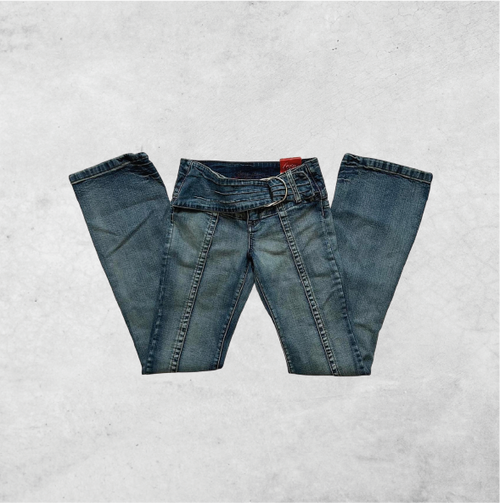
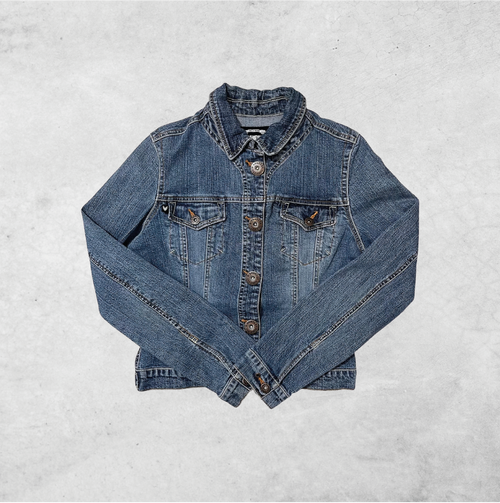
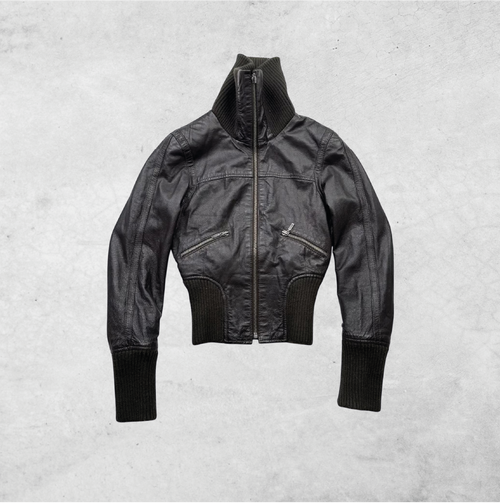
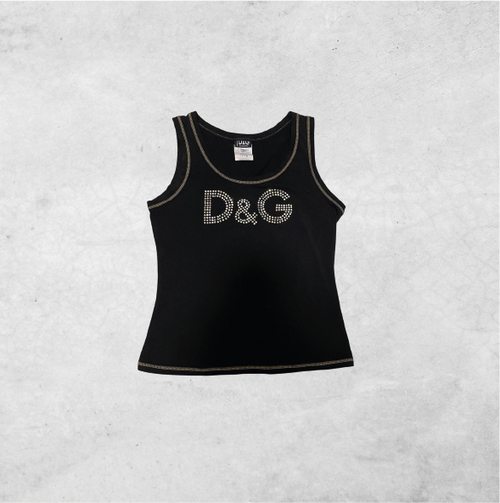
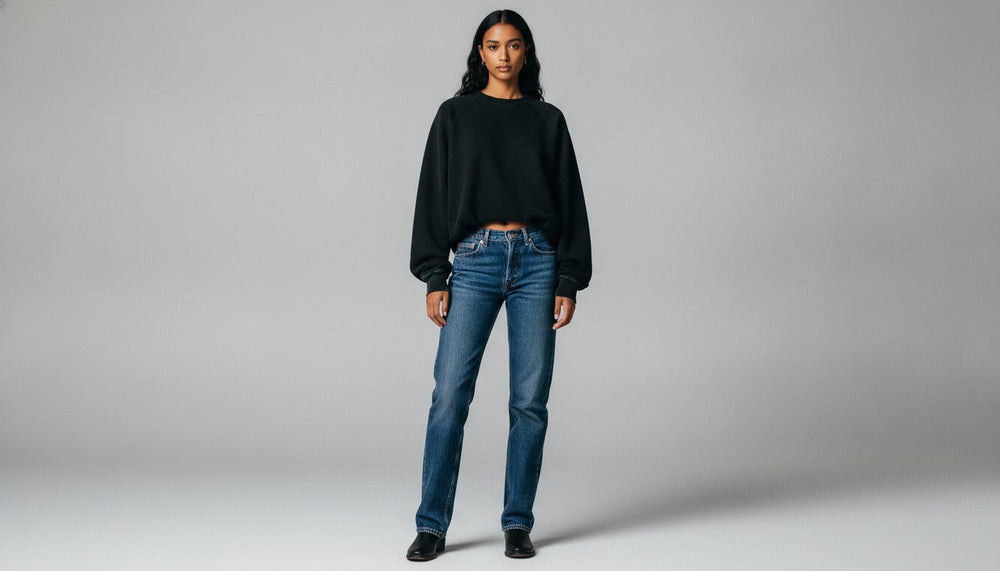
Why does every "low rise" jean on the rack today still sit right at your belly button? You aren't imagining it. Most modern retailers have rebranded a standard 9-inch mid-rise as a "low" cut to play it safe, leaving those of us hunting for authentic 2000s low rise jeans stuck with thin, stretchy fabric that lacks the soul of the original era. It's frustrating to settle for a shallow replica when you know exactly how that rigid, 7-inch rise should feel. We see the gap between what's marketed and what's real.
We believe that choosing authentic vintage is the ultimate rebellion against a fast fashion industry that prioritizes speed over substance. You don't need to compromise your ethics or your silhouette to reclaim this iconic look. This is about more than just a trend; it's about a movement toward quality denim that actually lasts. We'll help you identify a true low rise that actually measures up and share styling techniques that feel sophisticated rather than like a costume. We are taking a stand for the "why" behind the "what," guiding you toward a wardrobe that is both philosophically deep and intentionally curated.
Key Takeaways
- identify the technical difference between modern mid-rise labels and the authentic 7-inch cut that defines original 2000s low rise jeans.
- learn why 100% cotton denim is essential for maintaining a structured silhouette that won't lose its shape like thin, stretchy fast fashion replicas.
- discover how to master the 2026 "High-Low" aesthetic by pairing low-slung denim with oversized vintage sweatshirts for a look that is modern and intentional.
- recognize the environmental impact of new denim production and how choosing pre-loved pieces serves as a powerful alternative to industry waste.
- explore our dedicated curation process that prioritizes quality, ethics, and manual care for every piece in our collection.
the evolution of 2000s low rise jeans
The transition from the late 1990s to the early 2000s wasn't just a change in calendar years. It was a total aesthetic rupture. The fashion world traded the stark, beige minimalism of the grunge era for a loud, unapologetic maximalism that demanded attention. At the center of this shift were 2000s low rise jeans, a garment that fundamentally altered how we understood the human silhouette. While the previous decade focused on oversized flannels and high-waisted denim, the new millennium celebrated skin-baring cuts and hip-hugging proportions. It was a move toward visibility and body confidence that defined an entire generation's wardrobe.
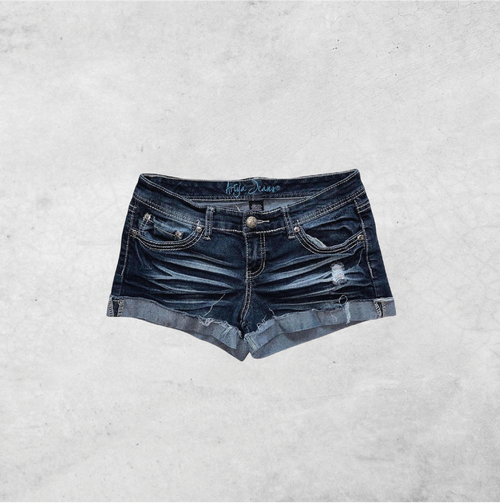
To understand this shift, we have to look at the technical history of low-rise fashion. A "true" low rise isn't a vague suggestion; it's a structural choice. In the context of authentic vintage, we define a true low rise as having a measurement of 7 inches or less from the crotch to the waistband. This is worlds away from the "low rise" labels found in modern malls, which usually hover around 9 inches. Those are mid-rise imposters. The original 2000s low rise jeans were designed to sit firmly on the hips, creating a long, lean torso that became the era's signature look.
from pop icons to the style rebellion
Pop culture icons didn't just wear these jeans; they weaponized them. Music videos from the early 2000s turned the "hip-hugger" look into a global uniform, moving the style from the shock of the red carpet to the reality of high school hallways. It was the era of the low-slung waistline paired with graphic tees and chunky belts. By 2026, the resurgence of this look represents a deliberate style rebellion. We're seeing a collective rejection of "safe," high-waisted comfort in favor of something more daring and unconventional. It's a way for modern shoppers to reclaim a sense of edge that has been lost in the sea of mass-produced, stretchy denim.
why the 2020s-2026 era loves them
The 20-year rule is a well-documented phenomenon in fashion, making the 2026 return of the low rise almost inevitable. However, this isn't just a carbon copy of the past. Digital-native fashion communities have evolved the trend, intersecting Y2K aesthetics with modern values. Today, the body positivity movement has reclaimed these cuts for every shape, proving that the low-slung look isn't reserved for a single body type. It's an inclusive, conscious choice for those who value the grit and authenticity of original denim over the disposable nature of modern replicas. This comeback is fueled by a desire for clothes that have a story, a history, and a soul.
This holistic approach to self-image often extends to aesthetic wellness; for instance, many who embrace this confident new era discover Radiant Skin House to complement their style with advanced skin and body rejuvenation treatments.
anatomy of the true low rise: rise, cut, and fabric
The industry likes to play games with numbers. Today, a 9-inch rise is often marketed as "low," but in the context of authentic 2000s low rise jeans, that's firmly in mid-rise territory. To find the real thing, you have to look at the numbers. A standard low rise from the Y2K era typically sits between 7 and 8 inches. If you're looking for the extreme "bumster" aesthetic of the early aughts, you're hunting for an ultra-low rise, which drops below the 7-inch mark. This isn't just about aesthetics; it's about where the garment anchors on your skeletal structure. These pieces were designed to rest on the iliac crest of your pelvis, not the soft tissue of your waist.
Fabric composition is the silent hero of this silhouette. Modern replicas rely on high-stretch blends that feel thin and lose their shape by noon. Authentic vintage denim is almost always 100% cotton. This lack of stretch is exactly what gives the jeans their iconic structure, holding the "V-cut" at the waistline without sagging. You'll also notice the hardware is built to last. We're talking chunky metal zippers, reinforced button flies, and heavy-duty contrast stitching that modern fast fashion simply won't invest in. If you're ready to stop settling for flimsy imitations, you can explore our curated collection of Y2k jeans that meet these technical standards.
measuring for the perfect vintage fit
Forget your natural waist measurement. When shopping for vintage, your "hip-rise" is the only number that matters. Measure around the widest part of your hips where you want the waistband to sit. Because 100% cotton denim has zero give, the "sit test" is mandatory. If they're too tight when you're standing, you won't be able to breathe when you sit down. Also, be wary of vintage tags. A size 6 from 2003 might fit like a modern size 2, so always prioritize actual measurements over the label.
the silhouettes: flares, bootcuts, and baggies
The 2000s offered a spectrum of cuts that defined different subcultures. The "McBling" flare was the crown jewel of the red carpet, featuring a fit that was skin-tight through the thigh before exploding into a dramatic kick at the ankle. For a more relaxed energy, the skater-influenced baggy low rise offered a wide, straight leg that pooled over sneakers. If you want a versatile entry point, the classic bootcut remains the gold standard. It balances the low-slung waist with a subtle flare that works with almost any footwear, making it a staple for anyone building a conscious, long-term wardrobe.
vintage authenticity vs. fast fashion replicas
Most modern retailers are selling a hollowed-out version of the past. They offer the aesthetic of 2000s low rise jeans while stripping away the structural integrity that made them iconic. This is the "paper-thin" problem. Modern replicas are almost universally made from lightweight, flimsy denim that relies on high percentages of elastane to fit. While these pieces might look acceptable in a single, static photo, they fail to hold the sharp, architectural shape that defined the original era. Authentic vintage denim was built to be rigid. It holds its own against the body, creating a silhouette that feels intentional rather than accidental. It's the difference between a garment that works for you and one that you have to constantly adjust.
The choice to buy vintage is a strategic move against the environmental cost of mass production. Creating a single pair of new jeans requires thousands of gallons of water and a cocktail of harsh chemicals. By choosing to hunt for original 2000s low rise jeans, you're opting out of a cycle of waste that the industry giants would rather you ignore. It's a David versus Goliath choice. You can support the fast fashion machines that prioritize volume over value, or you can join a movement of conscious curators who believe in quality over quantity. Authentic pieces have already stood the test of time; they don't just survive the next trend cycle, they define it.
the quality gap in modern denim
The difference is in the details. Authentic vintage features natural fading that took years of actual wear to achieve. Fast fashion uses chemical sandblasting and toxic dyes to mimic this history in a matter of hours. This process doesn't just look artificial; it actively weakens the fibers, ensuring that your "new" jeans will fall apart long before they ever get a chance to age gracefully. Original hardware, from the heavy-duty zippers to the reinforced rivets, was engineered for decades of use. Modern equivalents are often the first thing to fail, turning a "cheap" purchase into a disposable one.
the ethical cost of 'new' Y2K
There's a deep irony in mass-producing a trend that was originally rooted in individual rebellion and DIY culture. When you thrift original low-slung denim, you aren't just saving gallons of water; you're preserving a piece of fashion history. Building a sustainable wardrobe means investing in materials that actually last. Authentic vintage denim gets better with every wash and wear, softening in all the right places while maintaining the structural "V-cut" at the waist. This is how you build a wardrobe that lasts until the next trend cycle and beyond, without the ethical guilt of new production.

styling low rise denim for the 2026 aesthetic
The goal for 2026 isn't to look like a 2003 backup dancer who just stepped off a music video set. We're moving beyond the costume. Authentic 2000s low rise jeans require a "high-low" balance to feel grounded in the present. This means pairing the sharp, low-slung waistline with heavy, oversized silhouettes on top. Think of a structured, rigid denim flare anchored by a thick vintage sweatshirt. This contrast creates a look that is both effortless and intentional. It's about the tension between the skin-baring cut of the jeans and the protective volume of the knitwear. This approach respects the history of the garment while making it functional for a modern, conscious lifestyle.
Footwear plays a massive role in defining the vibe. If you're leaning into the skater-influenced baggy look, chunky sneakers are a logical choice to handle the pooling fabric at the ankle. For a more polished approach, leather loafers or pointed-toe boots provide a sleek contrast to the rugged nature of vintage denim. Loafers are specifically trending in July 2026 as a way to make the low-slung look feel more "considered" and sophisticated. We also see a return of the statement belt, which serves as a functional boundary for the low-slung waist. Belly chains are resurfacing too, but they're being used as subtle, high-end accents rather than the loud, mass-produced jewelry of the past.
the modern 'cool girl' silhouette
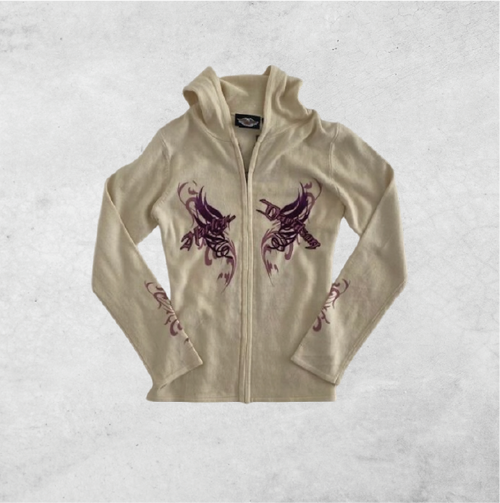
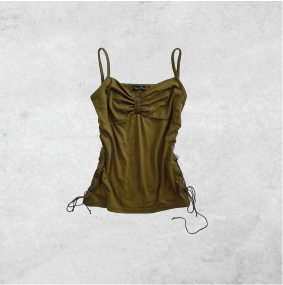
The current silhouette is all about playing with proportions. Pairing your 2000s low rise jeans with tiny vintage tops creates a long, lean torso that was the hallmark of the original era. However, the 2026 twist involves layering. Use a vintage hoodie or an unbuttoned flannel to add depth for transitional weather. This creates a vertical line that elongates the legs while keeping the focus on the low-slung waistband. It's a strategic way to show off the "V-cut" without feeling exposed. This style thrives on the contrast between the fitted base and the loose outer layers.
accessorizing the rebellion
The belt you choose can make or break the look. In the early aughts, the "exposed" waistband was a statement of independence. Today, it's a mark of curation. A heavy, weathered leather belt adds a sense of manual care and history to your outfit. Avoid over-complicating things with too much jewelry. Let the hardware of the denim and a single, well-chosen belly chain do the heavy lifting. This minimalist approach ensures the focus remains on the quality of the vintage denim itself. If you're ready to build a look that actually has a soul, you can shop our latest drop of Y2k jeans and tops.
join the style rebellion with thrifted apart
We believe that your wardrobe should be a manifesto, not just a collection of clothes. Finding authentic 2000s low rise jeans that haven't been compromised by modern "mid-rise" labeling or flimsy fabrics is a challenge we take personally. This is why we've positioned ourselves as a conscious alternative to the fast fashion giants that dominate the industry. Our mission is built on grassroots activism and the conviction that quality denim deserves a second life. We are a dedicated group of individuals who value the grit of the original Y2K era, and we're inviting you to join a movement that prioritizes ethics over mass production.
Every piece in our catalog is a strategic choice. We don't just browse; we hunt for the specific hardware, the rigid 100% cotton, and the iconic V-cut waistlines that defined a generation. This is affordable luxury for the conscious shopper. By curating unique vintage pieces and making them accessible, we're proving that high-quality style doesn't have to come at the cost of the planet. It's a hardworking approach to retail that values transparency and manual care above all else. You aren't just buying jeans; you're investing in a piece of fashion history that has been quality-checked and refreshed for its next chapter.
hand-picked and planet-positive
The story behind our curation is one of persistence. We spend hours identifying "true" low rises so you don't have to waste time on modern imposters. Once found, every pair undergoes a meticulous cleaning process that ensures your vintage arrives fresh and ready for the street. We treat every garment with personal attention, ensuring the fabric is revived without losing its authentic character. Our Y2K jeans for sale are a middle finger to fast fashion. They are a rejection of the "paper-thin" problem and a commitment to a planet-positive future where style is built to last.
start your sustainable denim journey
Our selection is constantly moving. We offer a pulse and flow of new arrivals, ensuring there is always something unique to discover in our digital catalog. Whether you are in London, New York, or Tokyo, our worldwide shipping brings the sustainable rebellion directly to your doorstep. We've made it simple to browse by cut, rise, and era, allowing you to find your perfect fit with confidence. Don't settle for a shallow replica when you can own the original. Shop the latest Y2K denim drop at thrifted apart and become part of a community that values authenticity over everything else.
reclaim the low-slung aesthetic
Embrace the shift. We've explored how the structural integrity of 100% cotton and the specific 7-inch rise separate the real deal from mass-produced imitations. Choosing 2000s low rise jeans isn't just a nostalgia trip. It's a strategic move toward a higher standard of quality and a commitment to protecting the planet from the chemical cost of new denim. You've learned how to balance these bold silhouettes with modern proportions to create a look that is entirely yours. This is about more than just a trend; it's about reclaiming a sense of edge that has been lost in a sea of stretchy, disposable fabrics.
We are here to guide you through this transition. Every pair in our collection is hand-picked and cleaned with manual care, ensuring you receive a piece of fashion history that is ready for the modern world. This is your chance to reject the disposable nature of the high street and invest in an eco-friendly alternative that actually lasts. With worldwide shipping available, the rebellion is accessible no matter where you are. It's time to move beyond the shallow replicas. You can reclaim your style with curated Y2K jeans and join a community that values authenticity over everything else. The future of fashion is pre-loved, purposeful, and unapologetically low-slung.
frequently asked questions
what is considered a 'true' low rise measurement?
A true measurement for 2000s low rise jeans typically sits between 7 and 8 inches from the crotch to the top of the waistband. If the measurement drops below 7 inches, you're looking at an ultra-low rise. Anything hovering around 9 inches is technically a mid-rise, regardless of how a modern retailer might label it. Understanding these specific numbers is the only way to ensure you're getting an authentic silhouette rather than a watered-down contemporary version.
are low rise jeans comfortable for all day wear?
Comfort in low-slung denim depends entirely on the "sit test" and proper hip placement. Because these pieces are often 100% cotton, they don't stretch like modern leggings. They provide a structured, supportive feel that stays in place all day once you find the right fit. It's a different kind of comfort that relies on the garment resting on your skeletal structure rather than squeezing your soft tissue. When fitted correctly, they won't dig in or slide down.
how do i know my size in vintage 2000s jeans?
You should ignore the size on the tag and rely exclusively on your hip-rise measurement. Vintage sizing from the early aughts is notoriously inconsistent and often runs much smaller than modern vanity sizing. Measure the circumference of your hips exactly where you want the jeans to sit. Comparing this number to the actual flat-lay measurements of the vintage pair is the most reliable strategy for a perfect fit. Don't be discouraged if the number is higher than your modern size.
what brands made the best original low rise jeans in the 2000s?
Brands like Miss Sixty, Diesel, and Seven For All Mankind were the architects of the original hip-hugger movement. These labels prioritized heavy-duty hardware and rigid denim that defined the era's high-quality standards. Hunting for these specific names often leads you to the best examples of 2000s low rise jeans because their construction was designed to endure decades of wear without losing its iconic V-cut shape. They represent the gold standard of Y2K craftsmanship.
can i wear low rise jeans if i have a curvy body type?
Absolutely, as the low-slung waistline is actually incredibly flattering for curvy body types because it follows the natural line of the hips. Modern body positivity has reclaimed this look, moving away from the narrow standards of the past. By choosing a rigid denim with a slight bootcut or flare, you can balance your proportions while celebrating your shape. It's about confidence and the rebellion of wearing what makes you feel powerful regardless of industry expectations.
how can i tell if a pair of jeans is authentic vintage or a modern replica?
Authenticity is found in the weight of the fabric and the quality of the hardware. If the denim feels paper-thin or has more than 2% elastane, it's likely a modern replica. Authentic vintage pieces feature heavy metal zippers and natural fading that looks nuanced rather than chemically sandblasted. You'll also notice that original Y2K pieces have a structural stiffness that modern fast fashion simply cannot replicate with cheap materials. The difference is felt the moment you pick them up.
why is thrifting better than buying new Y2K-style jeans?
Thrifting is a strategic choice that saves thousands of gallons of water and prevents toxic chemical runoff associated with new denim production. Beyond the environmental impact, vintage pieces offer a level of character and structural integrity that new replicas lack. You're buying a piece of history that has already proven its durability. It's a way to build a sustainable wardrobe while directly opposing the waste of the fast fashion giants. Every thrifted pair is a win for the planet.
how do i care for my vintage denim to make it last?
You should wash your vintage denim as infrequently as possible to preserve the fibers and the natural wash. When you do wash them, use cold water and a mild detergent, then always opt for air drying. High heat from a dryer is the enemy of old denim; it breaks down the cotton and can cause unnecessary shrinkage. This manual care ensures your curated pieces remain a staple in your wardrobe for years to come without losing their shape.