

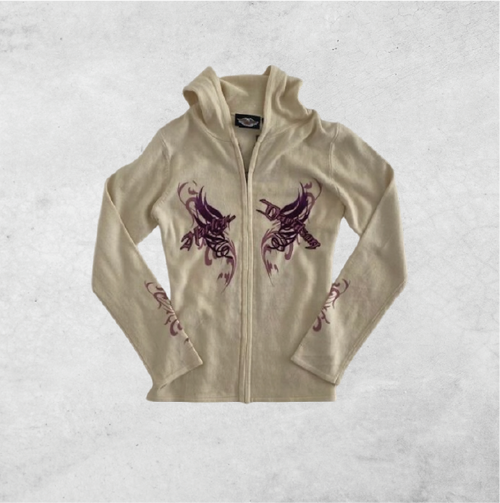

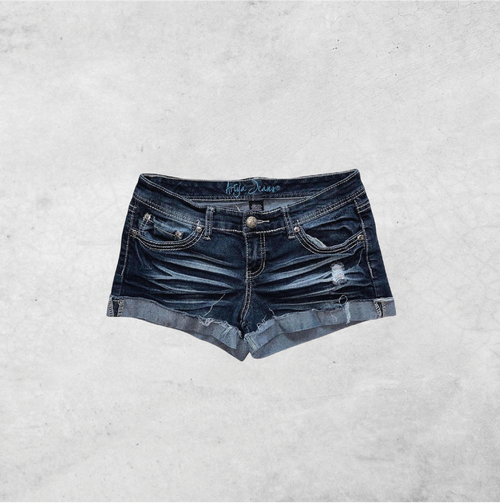
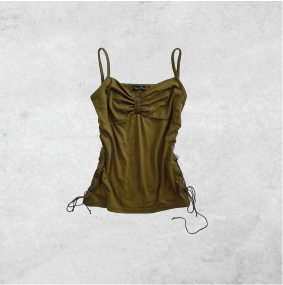
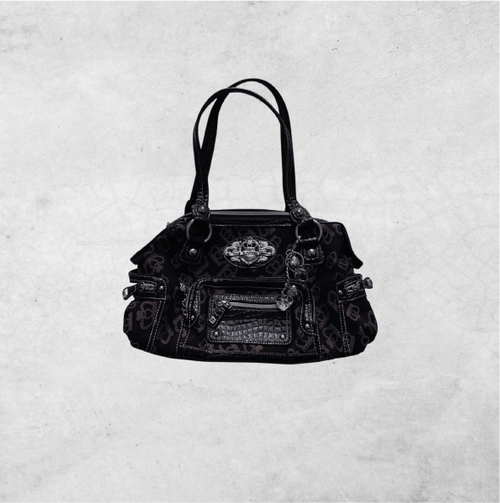
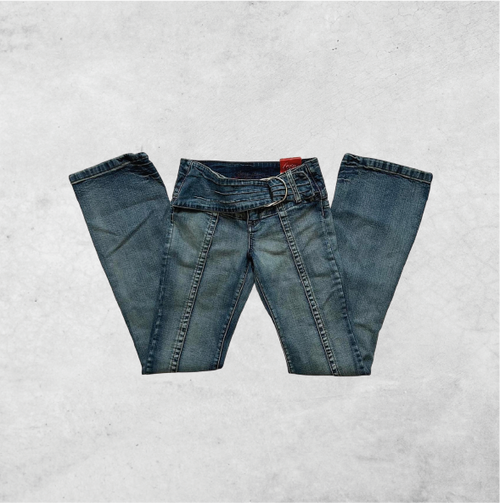
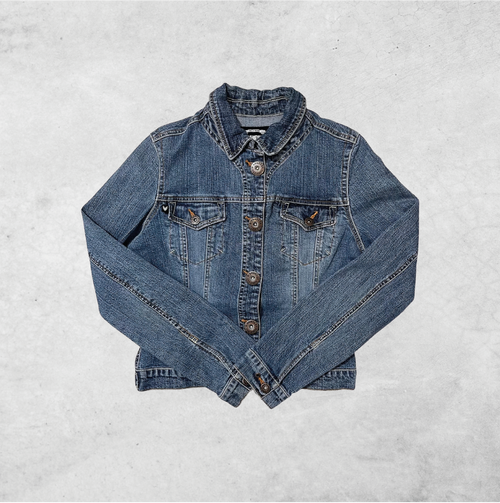
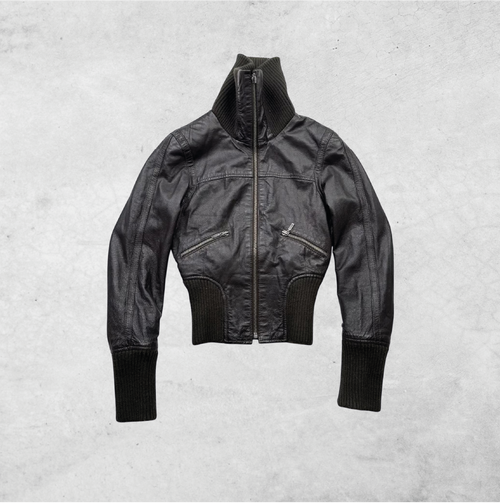
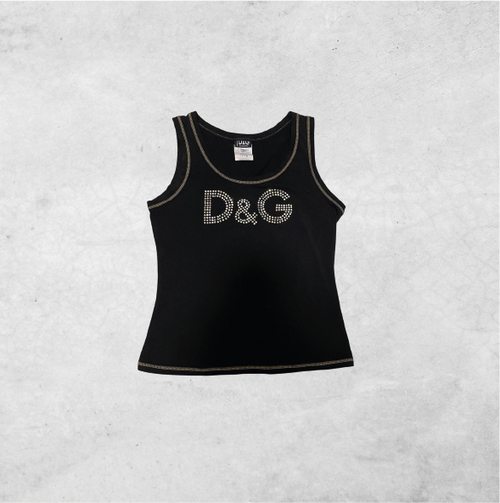
The most radical thing you can wear in 2026 isn't a designer label fresh off the runway; it's a piece of history that refuses to fall apart. While fast fashion giants flood our feeds with disposable trends, the real power move is investing in high quality second hand clothing that has already proven its worth through decades of wear. You're likely tired of the thrift store gamble where "vintage" often translates to mystery stains, stretched out necklines, or sizing that feels like a cruel joke. We believe you shouldn't have to settle for less just because you're choosing a more conscious path.
We know the frustration of opening an online package only to be met with hidden smells or fabric that's one wash away from disintegration. This guide is your roadmap to opting out of that cycle. You'll learn how to identify, source, and maintain premium vintage and Y2k pieces that will outlast any seasonal fad. We're diving into a rigorous curation checklist that covers everything from decoding authentic labels to spotting high-end craftsmanship, giving you the confidence to build a unique wardrobe that respects both your style and the planet.
Key Takeaways
- Learn to prioritize structural durability over fast-fashion brand names to build a wardrobe that stands the test of time.
- Master the pinch and light tests to verify fabric health and weave density in seconds.
- Navigate the trade-offs between high-volume online aggregators and the time-intensive hunt of local thrift shops.
- Protect your investment with fiber-specific washing techniques and storage secrets that prevent damage and stretch.
- See how professional curation and a rigorous cleaning process deliver high quality second hand clothing that feels fresh and ready for immediate wear.
defining quality in the second hand rebellion
In 2026, the definition of luxury has shifted. It's no longer about the gold-stamped logo on a polyester blend. It's about the weight of 14oz denim and the way a 1990s sweatshirt keeps its shape after a hundred washes. High quality second hand clothing represents a rebellion against the planned obsolescence of the modern high street. While fast fashion brands design garments to fall apart within months, vintage pieces were built for a different era of consumption. This shift is essential for a circular economy where we value what already exists rather than demanding more from an exhausted planet.
The second-hand market is vast, but not everything in it deserves a place in your wardrobe. There is a massive difference between "used" and "curated" items. Used clothing is often just the byproduct of a closet purge, sold as-is with all the mystery stains and loose threads intact. Curated clothing, however, is the result of a rigorous selection process. It's clothing that has been chosen for its structural integrity and timeless silhouette. We are reclaiming the idea that "pre-loved" should mean "better than new."
the anatomy of a vintage gem
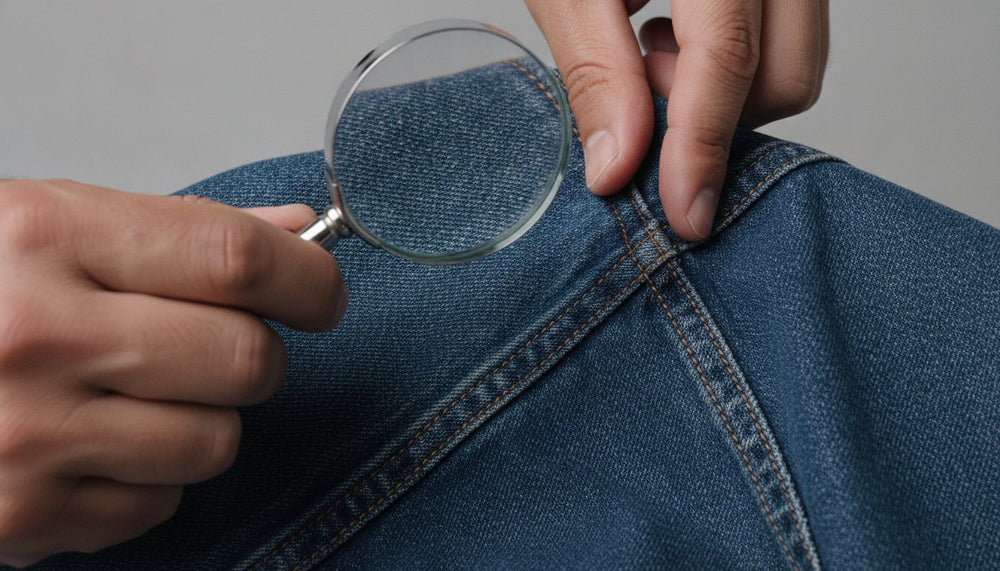
To find a true gem, you have to look beneath the surface. Material integrity is the first hurdle. Natural fibers like heavy cotton, wool, and silk usually win because they breathe and age with grace. Check the construction markers:
- Weight: High-quality denim and cotton feel heavy and dense, not thin or flimsy.
- Stitching: Look for tight, consistent stitches without loose loops or fraying ends.
- Hardware: Metal zippers and shank buttons are indicators of a garment built to last.
Then there's the "refreshed" factor. A high-quality piece isn't just about the original build; it's about the care it receives before it reaches you. Professional cleaning and restoration don't just remove the past; they prepare the garment for its next decade of life.
why curation is the new retail frontier
Thrift fatigue is a real barrier to sustainable living. Spending hours digging through bins of discarded fast fashion only to find a pilled acrylic sweater is exhausting. This is why specialized boutiques are becoming the essential filter. We do the dirty work of sorting through the noise to find the pieces that actually matter. By focusing on sustainable second hand fashion, we ensure that the clothing you buy isn't just another temporary resident in your closet. Curation is the strategy that turns the chaos of the second-hand world into a reliable, high-end experience that rivals any mainstream boutique.
the ultimate quality checklist: spotting gems in the wild
Finding high quality second hand clothing isn't about luck; it's about a systematic audit of every seam and fiber. You start with the pinch test. Grab a section of the fabric between your thumb and forefinger and give it a firm squeeze. High-grade vintage cotton or wool should feel substantial and spring back immediately. If it feels paper-thin or stays wrinkled, it's likely a low-quality blend designed for a short lifecycle. Next, hold the garment up to a bright light. This light test reveals hidden thinning in the elbows or seat that you might miss otherwise. It also exposes the weave density. A tight, opaque weave is your shield against premature holes and sagging.
Check the stress points where garments usually fail. Armpits often hide sweat stains or fabric rot, while crotches in denim can show excessive friction wear. Necklines on sweatshirts should be crisp, not stretched out or "bacon-edged." Hardware is another truth-teller. Heavy YKK zippers or branded rivets on Y2k jeans suggest a level of manufacturing investment that fast fashion rarely matches. Odors like heavy perfume or cigarette smoke can sometimes be stripped, but a sharp, vinegary smell often indicates "dry rot" in the fibers, which is an immediate dealbreaker.
technical markers of vintage quality
The era of a piece often hides in its construction. Single-stitch hems on t-shirts are a hallmark of pre-late-90s manufacturing, indicating a piece from an era before mass-production shortcuts became the norm. When looking for vintage sweatshirts, prioritize 100% heavyweight cotton over modern poly-blends. Authentic Y2k denim should feel rigid and heavy, a stark contrast to the stretchy, thin materials found in modern "distressed" jeans. This focus on durability is a core pillar of a sustainable guide to thrifting, ensuring your finds stay out of landfills while maintaining their shape for years.
reading between the lines of online listings
Shopping from a screen requires a different set of muscles. Look for high-resolution photography that zooms in on the tags and hardware. If a description says "vintage condition," ask for specifics about pilling or fading. Don't be afraid to message a seller about their storage and cleaning methods. If you prefer a more reliable experience, browsing our curated vintage collections removes the guesswork, as every piece has already passed these rigorous quality checks before being listed. Accurate curation is the only way to bypass the fatigue of the digital hunt.
curation vs. the hunt: where to find high quality items
Choosing where to source your gear is the first tactical decision in the rebellion against fast fashion. You have three main paths: the massive digital aggregator, the local charity bin, or the curated boutique. Each offers a different version of high quality second hand clothing, but the emotional and financial costs vary wildly. Large scale platforms offer millions of listings, yet they frequently hide "duds" behind filtered photos and vague descriptions. You might find a gem, but you're just as likely to receive a stretched out sweatshirt that smells like a damp basement. It's a numbers game where the house usually wins unless you have hours to spare for the search.
The local thrift shop remains the purest form of the hunt. It's the lowest entry price, but it demands the highest investment of your most precious resource: time. You are the filter here. You have to do the heavy lifting of checking every seam and testing every zipper. While it's rewarding to rescue a piece from the bottom of a bin, the success rate is notoriously low. It’s a grind that often leads to "thrift fatigue" before you even find a single wearable item. This is where most people give up and return to the convenience of the high street. We believe there's a better way to secure high quality second hand clothing without sacrificing your entire weekend.
the hidden costs of uncurated thrifting
Thrifting isn't cheap if you spend five hours finding one shirt that needs expensive cleaning or repairs. When you factor in the cost of professional stain removal and the time spent scrolling through thousands of low-quality listings, the "bargain" starts to lose its luster. True affordable thrifted fashion isn't about the lowest sticker price; it's about the value per wear. Investing in a piece that is already cleaned and structurally sound saves you from the hidden expenses of restoration and the frustration of a garment that fails after one wash.
why hand-picked matters for y2k and vintage
Generic warehouses can't replicate the eye of a conscious curator. Authenticity in Y2K and vintage silhouettes requires a deep understanding of how garments were cut before the era of vanity sizing and stretch-heavy fabrics. Following expert tips for buying vintage often highlights that the best pieces are those selected for their specific aesthetic and material weight. At thrifted apart, our hand-picked approach acts as a final wall of defense against the low-quality overflow of the modern industry. We source only the tops, sweatshirts, and jeans that meet our rigorous standards, ensuring that every piece is ready for immediate wear. This level of selective sourcing transforms the second-hand experience from a gamble into a curated retail alternative that prioritizes longevity over sheer volume.
maintaining your vintage: the longevity guide
Owning high quality second hand clothing is only half the battle. If you treat a 20-year-old sweatshirt like a disposable fast-fashion rag, it will eventually act like one. The longevity of these pieces depends on unlearning the aggressive laundry habits pushed by modern industry giants who benefit when your clothes fail. Preserving high quality second hand clothing requires a shift from passive consumption to active care. Less heat, less friction, and less chemical intervention are the keys to keeping those vintage fibers intact for the next decade.
Washing should be a rare event rather than a weekly ritual. For heavy denim and vintage sweatshirts, spot cleaning and air-freshening are usually enough to keep them in rotation without damaging the fabric structure. When a full wash is unavoidable, always stick to cold water and turn your garments inside out to protect the surface texture. Avoid the dryer at all costs. High heat is the primary enemy of vintage elasticity and color depth; it causes fibers to become brittle and eventually snap, leading to the thinning and holes we look for during the initial quality audit.
the art of the vintage refresh
Modern irons can be too aggressive for older textiles, especially when dealing with the thick screen prints found on Y2k tops. A steamer is a much safer alternative. It relaxes the fibers and removes odors without the risk of scorching or melting delicate graphics. If you find your favorite knitwear is starting to pill, don't toss it. A simple manual fabric comb or a battery-operated de-piller can restore the surface to its original smooth state in minutes. For stubborn stains, skip the harsh bleaches and try eco-friendly alternatives like baking soda paste or a long soak in diluted white vinegar, which breaks down oils without stripping the dye.
building a wardrobe that lasts decades
A sustainable closet is built on rotation. Wearing the same pair of vintage jeans five days a week will lead to premature blowouts in the inner thighs and knees. Give your pieces time to rest so the fibers can regain their shape. Proper storage is equally vital. Ditch the thin wire hangers that create "shoulder nipples" and permanent stretch marks. Instead, use wide wooden or padded hangers for structured items and fold heavy sweatshirts to prevent gravity from ruining the silhouette. Using breathable cotton garment bags instead of plastic will prevent moisture buildup and the dreaded "yellowing" of white vintage fabrics. To see how these principles come together in a functional collection, check out our guide on how to build a sustainable vintage wardrobe.
Every piece we source has been through a professional restoration process to ensure it arrives at your door in peak condition. If you're ready to skip the DIY cleaning and start with garments that have already been vetted and refreshed, you can shop our refreshed vintage gear today.
thrifted apart: why our hand-picked curation wins
Choosing high quality second hand clothing is a strategic move; it's a quiet rebellion against a system designed to keep you spending on things that don't last. We've spent this guide talking about how to spot quality in the wild, but the truth is that the hunt shouldn't be your second job. thrifted apart exists to be the final filter between you and the landfill. We don't just move boxes of old clothes. We curate a movement. Every piece we offer is a deliberate choice, selected because it has the structural integrity to survive another twenty years. You aren't just buying a garment; you're investing in a piece of history that has been saved from the waste stream.
Our 'hand-picked and refreshed' promise is the core of what we do. While bulk resellers focus on volume, we focus on the individual garment. This means we're looking at the weight of the denim in our y2k jeans and the elasticity in the cuffs of our vintage sweatshirts. We aren't interested in the "good enough" fast fashion leftovers that flood most charity shops. We're looking for the icons. By choosing our curation, you're opting out of the thrift fatigue we discussed earlier and stepping into a wardrobe of high quality second hand clothing that is already vetted for excellence. It's a faster, more reliable way to build a collection that reflects your values.
the thrifted apart quality bar
We set the bar high because we know you're tired of being disappointed by online purchases that don't live up to the photos. Our selection process for vintage tops and sweatshirts isn't just about the aesthetic; it's about the build. We look for those heavy cotton weaves and reinforced seams that define the best of the 90s and early 2000s. Transparency is our baseline. If a piece has a specific character mark or a slight fade, we tell you. There are no hidden surprises here, only authentic pieces that meet a specific standard of durability and style. We believe affordable fashion should never mean compromising on the quality of the construction.
your shortcut to a sustainable wardrobe
The most sustainable garment is the one that already exists, but it's only truly sustainable if it's actually worn. Our rigorous cleaning process ensures that every item arrives ready for immediate wear, stripped of the mystery smells and dust of the past. We handle the deep cleaning and the restoration so you can focus on the styling. Whether you're hunting for the perfect y2k skirts or rugged vintage jeans, we provide the shortcut you've been looking for. We ship worldwide to fuel a global style rebellion that values manual care over mass production. It's time to skip the hunt and go straight to the gems. You can shop our latest hand-picked drops to find your next favorite piece today.
step into the second hand rebellion
Building a wardrobe that survives the fast fashion cycle is a deliberate act of defiance. You now have the tools to audit fabric integrity, decode vintage construction, and maintain your finds for years to come. By prioritizing high quality second hand clothing, you're choosing garments that have already proven their worth through decades of wear. This isn't just about looking unique; it's about making a strategic investment in a circular economy that respects both the maker and the planet.
The hunt for the perfect piece doesn't have to be an exhausting gamble in a dusty bin. We've done the heavy lifting by sourcing, cleaning, and vetting every item in our collection to ensure it meets our rigorous standards. As sustainable Y2k and vintage specialists, we are dedicated to bringing you the best in hand-picked style without the thrift fatigue. Every piece is refreshed and ready for immediate wear.
Ready to build a collection that lasts? You can rebel against fast fashion and shop our hand-picked collection today. Your style is your legacy; make it a conscious one.
frequently asked questions
what defines high quality second hand clothing?
High quality second hand clothing is defined by its structural integrity, material density, and the absence of permanent damage like dry rot or thinning. Unlike modern fast fashion, these pieces feature tight stitching and heavy-duty hardware that can withstand years of active use. It's about how the garment was originally engineered to last. We look for pieces that maintain their silhouette even after decades, proving that the original craftsmanship was superior to today's disposable standards.
how can i tell if a second hand item is high quality online?
Identifying high quality second hand clothing online requires a close inspection of high-resolution photos and specific seller descriptions. You should look for clear shots of the brand tags, interior seams, and metal hardware like zippers or rivets. If a listing is vague or uses stock photos, it's a red flag. Always ask the seller for measurements and photos of stress points like armpits or necklines to ensure the garment hasn't lost its structural shape.
is expensive vintage always higher quality than cheap thrift finds?
High price tags in the vintage world often reflect rarity, cultural hype, or specific brand names rather than physical durability. A cheap unbranded sweatshirt from the 1990s can easily outlast an expensive designer piece made from delicate, modern materials. Quality is found in the weight of the cotton and the strength of the seams, not the prestige of the label. True value comes from construction that survives the test of time.
what are the best fabrics to look for when buying second hand?
Natural fibers are the gold standard when you are hunting for longevity in the second-hand market. Look for 100% heavyweight cotton, wool, silk, and rigid denim, as these materials age gracefully and are easier to repair than synthetic blends. Avoid thin polyester or acrylic pieces that tend to pill and lose their shape quickly. Natural fibers breathe better and maintain their structural integrity through multiple wash cycles, making them a much smarter long-term investment.
how does thrifted apart ensure the quality of their clothing?
We ensure quality by hand-picking every single item and putting it through a multi-stage vetting process. This includes checking stress points for wear, testing hardware functionality, and performing a rigorous cleaning process to refresh the fibers. We focus specifically on Y2k and vintage silhouettes that meet our high standards for durability. By acting as a professional filter, we remove the thrift fatigue and ensure every piece is ready for immediate wear.
can i return items if the quality doesn't meet my expectations?
When shopping for curated vintage, you should always check the specific return policy of the boutique before making a purchase. While we strive for absolute transparency in our garment descriptions and high-resolution photography, policies can vary depending on the platform or store. We recommend reviewing the condition notes and sizing charts carefully to ensure the piece fits your needs. If you have questions about a specific item's history or condition, reaching out to the curator is the best strategy.
how do i clean high-quality vintage pieces without damaging them?
Cleaning high-quality vintage requires a "less is more" approach that prioritizes cold water and air drying. You should avoid the high heat of a tumble dryer, which can snap old fibers and cause irreversible shrinkage. Use gentle, eco-friendly detergents and consider steaming instead of ironing to protect delicate prints and textures. For many heavyweight pieces, a simple spot clean or a refresh with a fabric steamer is often enough to keep them looking their best.
why is curated second hand more expensive than a regular thrift store?
Curated second hand carries a higher price because you are paying for the expertise, time, and restoration work involved in the selection. A regular thrift store is a raw warehouse of unvetted goods where you assume all the risk and do all the labor. In a curated boutique, the cleaning, repairs, and quality checks are already completed. You're paying for a guaranteed standard of condition and a hand-picked aesthetic that saves you hours of unproductive hunting.