


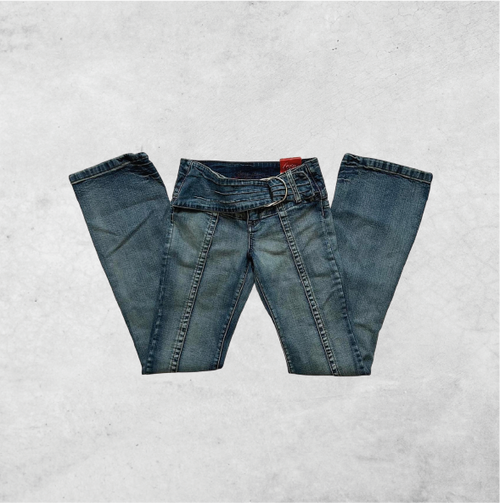
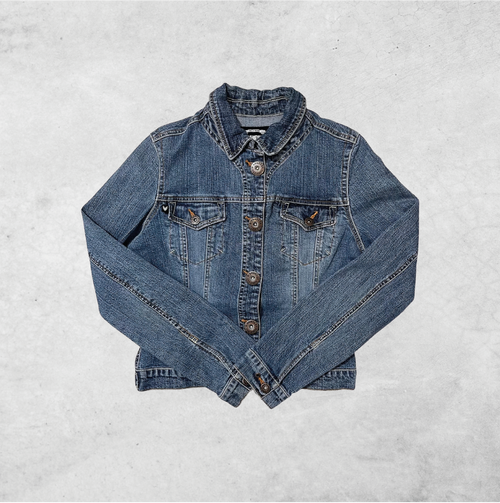
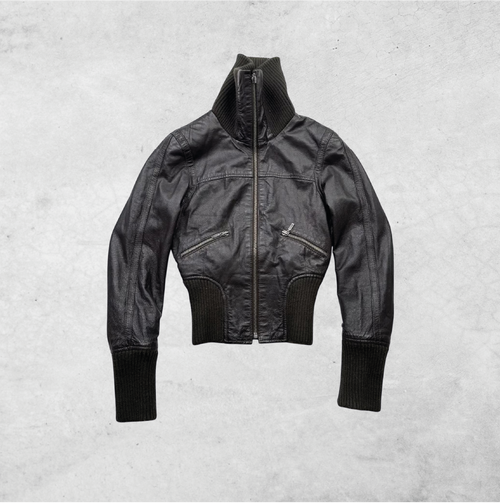
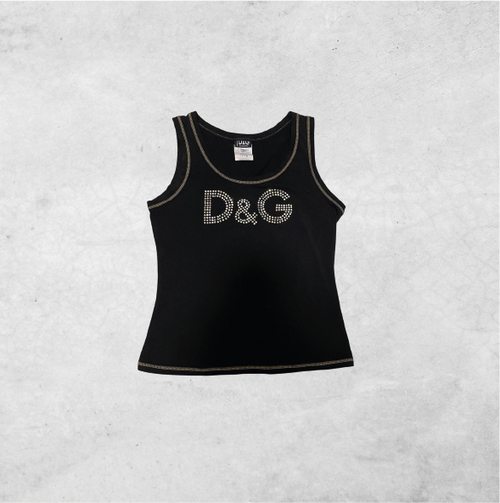
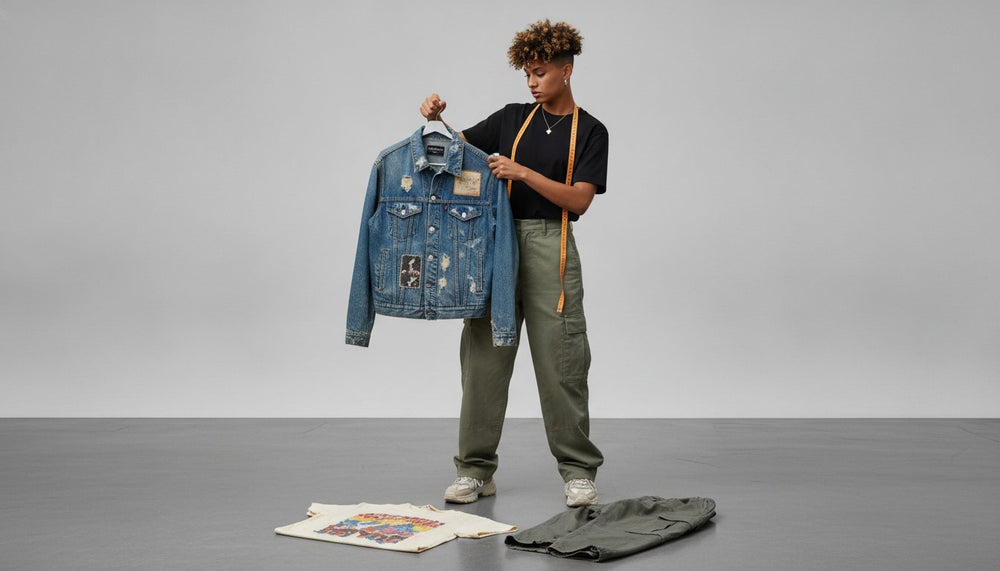
The digital landfill is overflowing. With the global secondhand market projected to hit $535.03 billion in 2026, finding a genuine piece of history has become a high-stakes game of hide-and-seek. You've likely spent hours scrolling through fast fashion crud and mislabeled polyester, only to end up with a "vintage" top that smells like a damp basement and fits like a napkin. It's frustrating. It's overwhelming. Most of all, it's a distraction from the conscious, curated wardrobe you actually want to build.
We're here to change the rules of the game. This is your guide on how to shop vintage online with the precision of a strategist and the conviction of a rebel. You'll learn to hunt down high-quality Y2k jeans, vintage sweatshirts, and archival pieces while skipping the low-quality noise that clogs up your feed. We'll dive into the tactical art of reading measurements over labels, identifying fabric quality through a screen, and avoiding the traps of the modern resale market. It's time to stop scrolling and start curating a collection that actually matters.
Key Takeaways
- Shift your perspective from consumer to rebel by understanding why opting for pre-loved pieces is a direct strike against industry giants.
- Master the technical side of how to shop vintage online by moving beyond generic terms and using specific eras to bypass digital clutter.
- Learn why you can't trust a vintage tag size and how to use a tape measure to ensure your next find actually fits.
- Develop a fabric-first filter to identify high-quality natural fibers and spot hidden damage through a screen.
- Discover how to skip the overwhelming hunt entirely by choosing curated collections that arrive refreshed and ready to wear.
the mindset of a vintage rebel: why we shop second-hand
Shopping is a political act. Every time you click "buy" on a mass-produced, synthetic garment, you're feeding a system designed to fail. The Goliaths of the industry don't want you to think about the "why" behind your clothes; they just want you to keep scrolling. Learning how to shop vintage online is about more than just finding a cool jacket. It's about opting out of a cycle of planned obsolescence and environmental degradation. By choosing to learn how to shop vintage online, you're effectively resigning from a system that prioritizes volume over value and waste over wearability. You're becoming a vintage rebel.
breaking the fast fashion cycle
The dynamic is simple: it's us versus the giants. While mainstream retail pushes 52 "micro-seasons" a year, the global secondhand market is fighting back, projected to reach $535.03 billion by 2026. This isn't just a trend; it's a necessary response to the millions of tons of textile waste clogging up ecosystems. To understand What is vintage clothing is to recognize that quality has a history. Every time you choose a pre-loved piece, you're casting a vote for a future where clothes are built to last, not just to be photographed once and discarded. With 83% of Gen Z consumers already thrifting or expressing a desire to, the movement is growing at a pace that industry giants can no longer ignore. We aren't just buying old clothes; we're reclaiming our agency as consumers.
the joy of the unique find
There's a specific kind of electricity that comes with finding a one-of-one piece. It's the total opposite of the hollow feeling you get when you see five other people wearing the same mass-produced top from a shopping mall. Vintage garments carry stories. They have lived-in textures and construction details that modern "fast" alternatives simply can't replicate. When you build a wardrobe based on conviction rather than PR-driven trends, your style becomes a reflection of your personality. You aren't just wearing a garment; you're wearing a piece of history that aligns with your ethics. It's about curation over consumption. Better, not more. Choosing a vintage sweatshirt or a pair of Y2k jeans isn't just about the look; it's about the legacy. You're moving from a mindset of "more" to a mindset of "better," ensuring that your closet is filled with items that actually mean something to you.
strategic searching: how to find gems in a sea of waste
The internet is a vast digital rummage. If you want to know how to shop vintage online without losing your mind, you have to stop using generic terms. Searching for "vintage" is a rookie mistake that invites millions of low-quality, fast fashion results into your feed. It's a waste of your time. You need a strategy. You need to hunt with intent and precision to bypass the digital landfill and find pieces that actually hold value.
the art of the keyword
Precision is your greatest weapon against the "fast fashion crud" that clogs up resale apps. Instead of broad categories, search by specific fabric compositions and construction details. Looking for vintage sweatshirts? Search for "100% cotton hoodie" or "heavyweight fleece." Hunting for Y2k jeans? Use era-specific descriptors like "low rise," "flare leg," or "whiskered wash." If you want true 90s pieces, look for "single stitch" in the description. This technical vocabulary acts as a filter. It bypasses the mass-produced noise and brings high-quality, archival pieces to the surface. It’s about knowing the language of the era you want to wear. You can even combine these terms with your budget to find the sweet spot between quality and cost.
navigating platforms like a pro
The most successful vintage rebels don't just scroll. They set traps. Use the saved search feature on every platform to get notification alerts the second a specific item drops. With the U.S. online resale market expected to grow by an average of 13% per year through 2026, the competition for high-quality pieces is fierce. This is how you beat the crowd to those rare y2k tops or perfectly faded vintage jeans. You have to act with urgency when a "drop" happens, as the best items rarely last more than a few hours.
Speed is nothing without discernment. You must learn to distinguish between bulk resellers, who dump thousands of unvetted items, and curated sellers who offer a hand-picked perspective. Bulk resellers often hide flaws or use stock photos. A reputable curator will show you the "wash" and "wear" in high-resolution detail. If you're tired of the endless filtering, you can skip the digital landfill and browse our curated vintage sweatshirts and tops, where the strategic hunting has already been done for you. Look for sellers who prioritize quality over volume. This is the difference between a random "thrift find" and a strategic addition to your wardrobe. When you understand how to shop vintage online as a strategist, you stop being a passive consumer and start being a conscious collector.
the fit factor: mastering vintage sizing and measurements
Tag sizes are effectively lies. If you want to master how to shop vintage online, you have to accept that a "Large" from 1994 bears almost no resemblance to a "Large" in 2026. Vanity sizing, shifting manufacturing standards, and decades of laundry cycles have rendered the numbers on the neck label obsolete. Relying on them is the fastest way to end up with a garment that either swallows you whole or restricts your movement. To join the style rebellion, you need to stop shopping by label and start shopping by the inch.
The only objective truth in the digital rummage is the tape measure. Before you even open a resale app, find your favorite fitting garment in your current closet. Lay it flat and record its dimensions. This creates your personal blueprint. When you browse vintage sweatshirts online, you'll notice that the "oversized" aesthetic isn't just about being big; it's about a specific boxy drape that modern fleece rarely replicates. By comparing a seller’s numbers to your own blueprint, you eliminate the guesswork and ensure every piece you buy actually serves your silhouette.
the measurement cheat sheet
- Pit-to-pit (P2P): This is the gold standard for tops. Measure from the seam under one arm to the seam under the other. It determines the chest width and how the fabric will hang.
- Rise and waist: When hunting for y2k jeans for sale, the rise is everything. A 10 inch rise sits very differently than a 13 inch rise. Always ask for the "flat waist" measurement to avoid the disappointment of denim that won't button.
- Length and inseam: Don't overlook the vertical. A sweatshirt that is wide enough but too short will feel like a crop top, while an unmeasured inseam on jeans can leave you tripping over your hems.
deciphering vintage labels
Vintage sizing is a reflection of the era's fit standards, not a universal measurement of the body. In the 80s, silhouettes were aggressively broad. By the late 90s, things became slimmer and more athletic before exploding into the baggy madness of the early 2000s. Beyond the era's style, you have to account for shrinkage. Natural fibers like 100% cotton are prone to contracting over twenty years of heat drying. A shirt might have started as an XL, but after a hundred washes, it’s now a boxy Medium. This is why learning how to shop vintage online requires a technical eye. Look for sellers who provide detailed photos of the measuring tape against the fabric. If the measurements aren't listed, ask for them. A seller who refuses to provide inches is a seller who doesn't value your time or your conviction to buy better.

quality control: spotting red flags and fabric gems
You've mastered the search. You've checked the inches. Now you need to verify the soul of the garment. Learning how to shop vintage online is a waste of energy if you end up with a piece that disintegrates after one wash. Fast fashion has conditioned us to accept thin, synthetic blends that lose their shape within weeks. We're here to reject that. We're looking for the heavyweights. True quality is tactile, even through a screen. You can see it in the way a 100% cotton sweatshirt holds its shape or the way a wool skirt drapes without the static cling of polyester. It's about demanding a higher standard of production that was once the norm but has since been sacrificed on the altar of corporate profit margins.
We believe that a rebel's wardrobe should be ready for the street the moment it arrives. This is why we prioritize vintage clothing refreshed and cleaned to a professional standard. The goal is to eliminate the "thrift smell" and hidden grime that often haunts the digital rummage. When you buy better, you buy less, and you ensure that your style has the longevity to outlast any micro-trend.
the fabric rebellion
Plastic. That's what most modern clothes are made of. When you browse vintage tops online, you are searching for superior durability that modern stretch blends simply cannot match. High-quality denim weaves from the 90s were built for work; they don't rely on elastane to fit. They rely on structure. This structural integrity is what allows a garment to survive decades and still look intentional. If you aren't sure about a fabric, ask the seller for a photo of the care tag. For the truly dedicated, the "burn test" remains the ultimate way to verify natural fibers, though you'll have to wait until the piece is in your hands to perform that act of textile science. Reclaiming your wardrobe starts with reclaiming the materials you put on your body.
reading between the photos
High-resolution photos are your best friend. Zoom in on the necklines and cuffs. These are the first places to show thinning or "pilling" from heavy wear. If a graphic print is "cracking," it might add to the aesthetic, but it can also signal that the print is nearing the end of its life. Look for yellowing or discoloration in the armpits or around the collar. These visual cues often hint at a lingering "thrift smell" that even a standard wash might not fix. Y2k-era synthetics are particularly tricky; they can become brittle or sticky over time if not stored correctly. Demand detail shots. A transparent seller will show you the flaws as clearly as the gems. Knowing how to shop vintage online means knowing when to walk away from a bad deal. If you want to skip the guesswork and the grime, shop our hand-picked and professionally cleaned vintage collection for pieces that meet a higher bar.
the curated shortcut: why thrifted apart is the future
The manual hunt is a badge of honor. We've shown you exactly how to shop vintage online by decoding measurements and identifying fabric gems, but we also know the reality of the digital rummage. It’s exhausting. Filtering through thousands of mislabeled listings and dodging fast fashion clones is a full-time job. Sometimes you want the style and the ethics of vintage without the headache of the search. That’s where we come in. We’ve turned the strategic art of thrifting into a streamlined service that respects your time and your wardrobe. It is the rebel's shortcut to a better closet.
Choosing where to spend your money is your most powerful tool for change. When you move away from the Goliaths of the industry, you're supporting a smaller, more transparent alternative. We aren't a faceless corporation. We are an independent disruptor focused on providing affordable vintage that doesn't cost the earth. By learning how to shop vintage online through a curated lens, you aren't just a customer; you're part of a community that values quality over mass production. It's time to build a wardrobe that reflects who you are, not what a marketing department told you to buy.
curation as a service
We don't rely on algorithms. Algorithms prioritize what's trending; we prioritize what's lasting. Our team filters through mountains of inventory to find the specific vintage sweatshirts and y2k skirts that meet our strict quality bar. Every piece is hand-picked for its construction, its era, and its potential to become a staple in your rotation. We handle the dirty work so you don't have to. This includes our "clean and refreshed" promise. We professionally treat every garment to ensure that the infamous "thrift smell" is a thing of the past. You get the history of a vintage piece with the freshness of a modern retail experience. It’s curation with conviction.
joining the movement
Our commitment to the planet doesn't stop at the clothes. We maintain transparent shipping practices and use sustainable packaging to ensure that your purchase aligns with your values from the moment you click buy to the moment it hits your doorstep. We believe in a future where fashion is circular, ethical, and accessible. Supporting an independent shop means your money stays within the community and fuels the continued fight against textile waste. It’s a steady, earnest pace toward a better industry. If you're ready to skip the digital landfill and find pieces that actually matter, you can browse our latest hand-picked drops and join the rebellion today.
reclaim your wardrobe
You now have the tactical framework to navigate the digital rummage with conviction. From ignoring deceptive tag sizes to prioritizing heavyweight natural fibers, you've learned that knowing how to shop vintage online is about more than just aesthetics. It is a strategic rejection of a wasteful industry. By mastering measurements and demanding transparency from sellers, you ensure that every piece you add to your collection is a deliberate choice rather than a fast fashion impulse.
We are here to support that choice. As an independent and purpose-driven alternative, we provide a curated shortcut for those who value quality but want to skip the hunt fatigue. Every item we offer is hand-picked and professionally cleaned to meet our high quality bar. We offer worldwide shipping because this is a global movement. It's time to build a closet that reflects your principles without sacrificing your style. Ready to start? You can join the rebellion and shop our curated vintage drops today. Your future favorite piece is waiting.
frequently asked questions
is it safe to buy vintage clothes online without trying them on?
It is completely safe if you prioritize measurements over labels. Since tag sizes from previous decades don't align with modern standards, you must use flat-lay inches to determine fit. Compare the seller's pit-to-pit or waist measurements to your favorite existing garments. This technical approach eliminates the risk of buying something that doesn't work for your body.
how do i know if a vintage shop is legitimate?
Legitimate shops prioritize transparency and detailed documentation. Look for high-resolution photos that show the fabric texture, care tags, and any existing flaws. A reputable seller will have a clear point of view and a history of honest descriptions. Avoid accounts that use stock imagery or generic, one-sentence descriptions, as these are often red flags for low-quality resellers.
what is the best way to get rid of the 'thrift store smell'?
Natural light and fresh air are your most effective tools. Hanging a garment outside on a breezy, sunny day can neutralize many odors. For tougher scents, a gentle wash with white vinegar or baking soda often does the trick. We eliminate this step for you by ensuring every item we sell is professionally cleaned and refreshed before it ever reaches your doorstep.
how do i search for specific y2k styles on resale apps?
To master how to shop vintage online for specific eras, you must use technical keywords. Instead of searching for "y2k," try terms like "low rise flare," "baby tee," or "whiskered wash." Combining these style descriptors with fabric types like "100% cotton" will help you bypass the fast fashion replicas and find authentic archival pieces that actually hold their value.
are vintage clothes more sustainable than new 'eco-friendly' brands?
The most sustainable garment is the one that already exists. Producing a single new cotton t-shirt can require approximately 2,700 liters of water according to industry reports. By choosing vintage, you are directly reducing the demand for new production and keeping quality materials out of landfills. It is a more effective strike against the fast fashion cycle than buying new "greenwashed" items.
what should i do if a vintage item arrives with undisclosed damage?
Document the issue immediately with clear, well-lit photos and contact the seller. Most major resale platforms have buyer protection policies for items that are not as described. A professional seller will work with you to provide a return or a partial refund. Always keep your communication within the platform's official messaging system to ensure you have a recorded trail of the transaction.
how do i determine the era of a vintage garment by its tag?
Look for the country of manufacture and the typography of the brand. Labels that say "Made in USA" or "Made in Italy" often point to the 90s or earlier. Check the care instructions; standardized symbols weren't common until the 70s. For Y2k pieces, look for bold, futuristic fonts and silver-threaded labels that were characteristic of the early 2000s tech-inspired aesthetic.
why is vintage clothing often more expensive than fast fashion?
You are investing in superior construction and the labor of curation. Fast fashion prices are kept artificially low through exploited labor and cheap, plastic-based synthetics. When you learn how to shop vintage online, you're paying for the durability of natural fibers and the expertise of hunters who find, vet, and clean these pieces. You are buying a garment built to last decades, not weeks.