

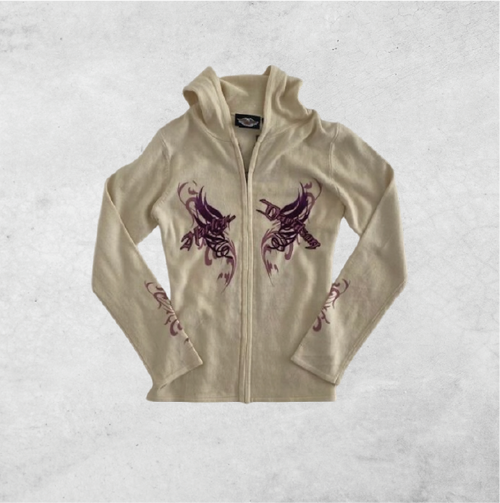

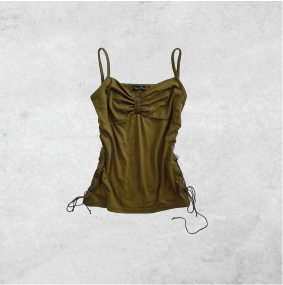
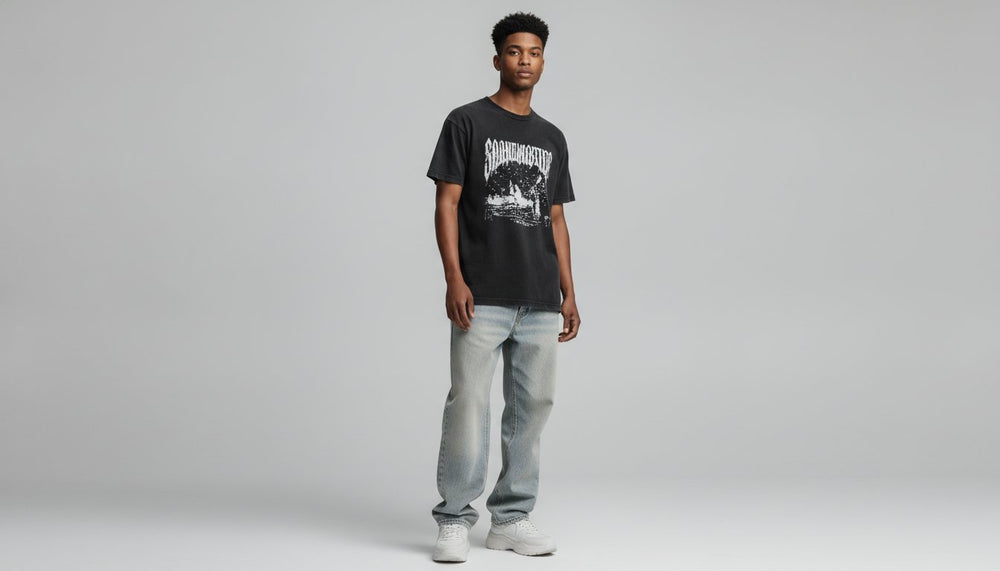
That $40 "faded" rock shirt hanging in a fast-fashion window isn't a piece of history. It's a mass-produced ghost of a movement that deserved better. You're looking for the real thing because you know that authentic vintage band tees carry a soul that a modern reprint can't replicate. Whether it's the specific fade of a 1994 tour or the heavy weight of a 2006 concert find, these pieces are cultural artifacts that tell a story of rebellion and rhythm.
It's exhausting to navigate a market where average resale prices for a Nirvana shirt can hit $278 while "curated" boutiques hike prices even higher. You want a unique piece of history that fits well and doesn't support the fast-fashion machine. This guide will teach you how to identify, authenticate, and style genuine vintage without getting scammed by modern reprints or excessive markups. We'll explore the technical details like single-stitch hems and tag history so you can hunt with confidence. By the end, you'll know exactly how to build a collection of hand-picked, cleaned, and high-quality music history that's as sustainable as it is iconic.
Key Takeaways
- Master the art of tag archaeology and the "single-stitch" secret to verify authentic vintage band tees and avoid overpaying for modern reprints.
- Understand why a garment from 2006 is now officially a vintage artifact and why its construction is built to outlast any fast-fashion alternative.
- Discover how choosing curated second-hand pieces acts as a direct strike against industry giants while preserving the soul of music history.
- Learn to style your music wardrobe for 2026 by pairing oversized tour tops with Y2k jeans or elevating them with tailored layers.
- See how hand-picked curation and manual cleaning remove the "randomness" of thrifting to ensure every piece meets a high-quality, sustainable standard.
What defines a true vintage band tee in 2026?
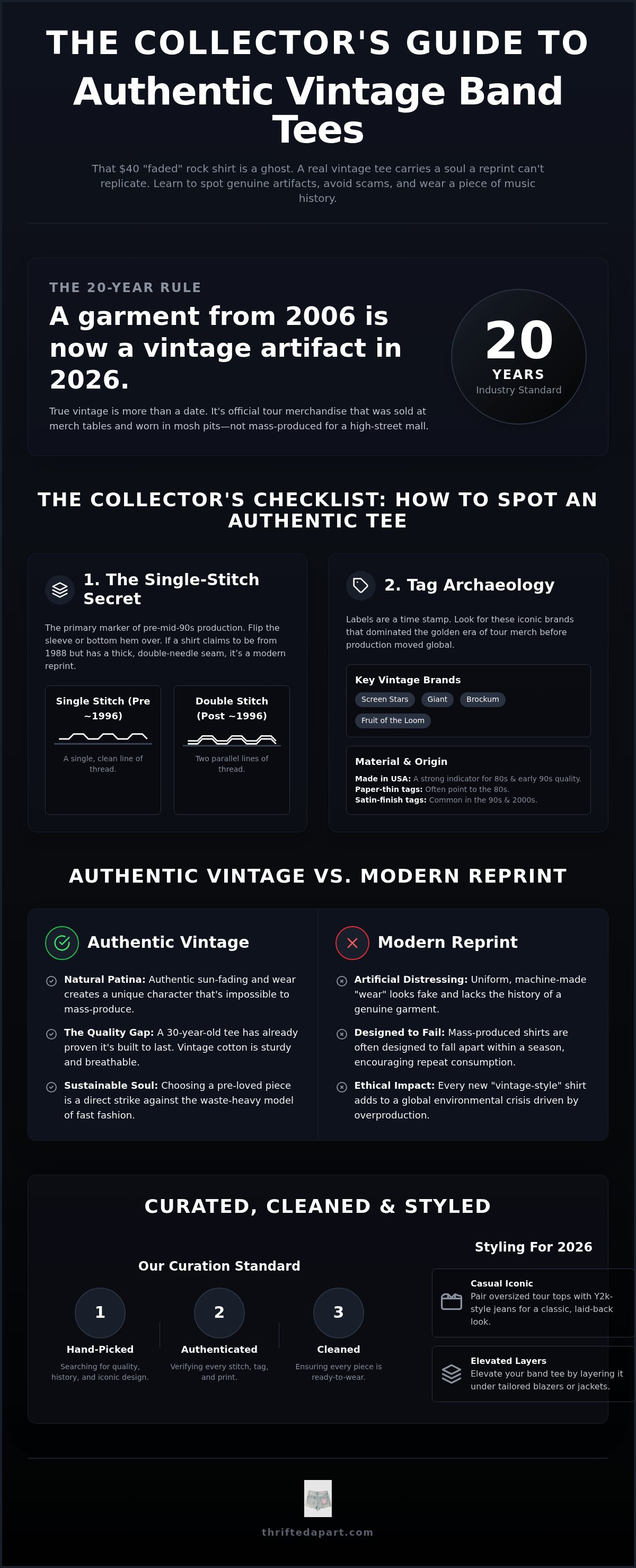
Time moves fast. In 2026, the goalposts for what we consider "vintage" have officially shifted. If a garment was printed in 2006, it's now a twenty-year-old artifact. This 20-year rule is the industry standard, but for us, it's about more than just a date on a calendar. True vintage band tees are official promotional or tour merchandise that served as a heartbeat for a specific musical moment. They weren't born in a high-street mall; they were sold at merch tables, worn in mosh pits, and lived in for decades.
The cultural significance of these pieces has evolved. What started as "fan gear" has transformed into a high-fashion staple. It's a rebellion against the disposable nature of modern retail. When you wear a shirt from a 1994 tour or a 2005 album launch, you're wearing a piece of music history that has survived the test of time. These aren't just clothes. They're a visual shorthand for your identity and your values.
The evolution of music merch
The history of the concert t-shirt is a journey from 70s stadium rock souvenirs to the raw energy of 90s grunge and the frantic pop-punk era of the early 2000s. In the beginning, merch was a simple way to show you were there. By the 90s, it became an essential part of the subculture uniform. Today, we view these pieces as archival fashion. They represent a shift from disposable concert wear to curated historical items that collectors and enthusiasts value for their story and their soul.
Why "vintage-inspired" isn’t the same
Fast-fashion giants love the "vintage-inspired" label. It's a marketing trap designed to sell you a mass-produced ghost of the real thing. You can't replicate the "worn-in" feel of 90s cotton with a machine. Genuine vintage band tees possess a specific fabric weight and a natural "drape" that follows your body's movement. This softness comes from thousands of washes and years of life, not a chemical bath in a factory.
- Artificial vs. Natural: Modern "distressing" looks fake because it's uniform. Natural sun-fading and authentic wear create a unique patina that's impossible to mass-produce.
- The Quality Gap: A 30-year-old tee has already outlasted its modern counterparts. Most mall shirts are designed to fall apart within a season, while vintage cotton remains sturdy and breathable.
- Ethical Impact: Every "new" vintage-style shirt produced adds to the environmental crisis. Choosing a hand-picked, pre-loved piece is a direct strike against the waste-heavy model of the industry Goliaths.
It's about the soul of the garment. Machines can mimic a graphic, but they can't mimic the history, the ethics, or the tactile reality of a shirt that has actually been through the fire.
The collector’s checklist: how to spot authentic vintage
Authentic vintage band tees are survivors. They’ve outlived the bands that inspired them and the fast-fashion trends that tried to copy them. To separate a genuine artifact from a mass-produced ghost, you need to look at the architecture of the garment itself. Authentication isn't just about reading a date; it's about understanding how clothes were built before the era of disposable fashion took over.
mastering the stitch and the seam
Flip the sleeve or the bottom hem over to inspect the thread work. If you see a single line of stitching, you’ve found the "single stitch" marker. Single stitching is the primary marker of pre-mid-90s production. By 1996, most manufacturers switched to double-needle machines for increased durability and speed. The mid-90s was a messy transition period, so you might occasionally find a shirt with a single-stitched hem but double-stitched sleeves. This isn't a sign of a fake; it’s a snapshot of an industry in flux. If a shirt claims to be from 1988 but features thick, double-needle seams, it’s almost certainly a modern reprint.
decoding the labels
Labels act as a time stamp for your music history. Brands like Screen Stars, Giant, Brockum, and Fruit of the Loom dominated the golden era of tour merch. These tags aren't just logos; they represent the cultural significance of band shirts as a medium for self-expression and community identity. Look for the "Made in USA" factor. While production moved global in the late 90s and 2000s, most high-quality grails from the 80s and early 90s were domestic.
Tag material matters too. Paper-like tags that feel thin and crinkly often point to the 80s, while satin-finished or heavy cotton tags became common as we moved into the 2000s. In 2026, be wary of brand-new, stiff tags on a "vintage" shirt. If the tag looks like it was printed yesterday, the shirt probably was too. Watch out for modern heat-pressed neck labels on shirts that claim to be decades old. Real vintage band tees usually feature a tiny copyright line beneath the graphic. Check that the date and the licensing company match the era of the band.
Don't ignore the graphic itself. Authentic cracking happens over years of wear and washing; it looks organic and follows the weave of the fabric. Factory-made "distressing" looks too perfect and often feels rubbery to the touch. Finding these gems shouldn't be a gamble. We do the heavy lifting for you by sourcing hand-picked vintage tops that are already authenticated, cleaned, and ready for a new life. Every piece we find is a strike against the industry Goliaths and a win for your personal style.
Vintage vs. modern reprints: a rebellion against fast fashion
The choice between a $15 mall reprint and authentic vintage band tees is a choice between participating in a cycle of waste or preserving a piece of culture. Corporate "Goliaths" mass-produce nostalgia. They use thin, low-grade cotton that warps after three washes. In contrast, a 30-year-old tee has already proven its resilience. It has outlasted the band’s breakup, the rise of streaming, and countless fashion cycles. It’s built to stay. Choosing the original isn't just about the look; it's a rebellion against the disposable nature of modern retail.
Every stain, fade, and pinhole in a vintage garment tells a story. Maybe it’s a splash of beer from a 1992 club show or sun-fading from a summer festival in 2004. These aren't defects. They’re the soul of the piece. Modern machines can’t replicate the genuine history of a concert attended. When you buy a reprint, you’re buying a copy of a copy. When you buy vintage, you’re buying the truth. Independent curation beats corporate retail because it prioritizes the narrative and quality of the garment over a profit margin.
The environmental impact of your wardrobe
Buying second-hand is a direct strike against the industry's destructive habits. The environmental impact of fast fashion is staggering, involving massive water consumption and toxic chemical runoff. By choosing sustainable second hand fashion, you’re opting into a circular economy that keeps textiles out of landfills. It’s a strategy for change. The hidden cost of "cheap" new merch is paid by the planet, not the consumer. Vintage is the ultimate alternative to the take-make-waste model that dominates the high street.
Authenticity as a status symbol
There’s an "if you know, you know" factor with original tour graphics. Authentic vintage band tees use screen-printing techniques that feel thick and textured, unlike the flat, digital heat transfers found in retail chains. This tactile quality is a mark of pride for collectors. Beyond the aesthetic, there’s real investment value. An original shirt from a legendary tour holds its price or appreciates over time. A mall reprint has zero resale value the moment you leave the store. It’s disposable. Vintage is permanent. We believe in curation over mass production because your wardrobe should be as unique as your playlist.
How to style and care for your vintage music wardrobe
Your collection isn't a museum exhibit. It's a living part of your daily rebellion. While authentic vintage band tees are built to last, they require a different level of respect than a disposable mall shirt. Styling these pieces in 2026 is about blending the grit of the past with the silhouette of the now. You aren't just wearing a shirt; you're curating an aesthetic that defies the fast-fashion giants.
modern styling for a rebellious look
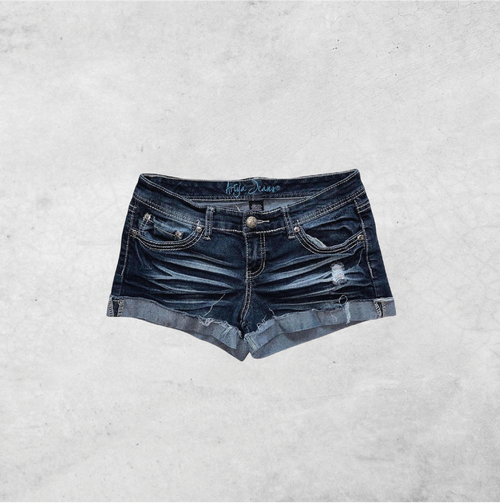
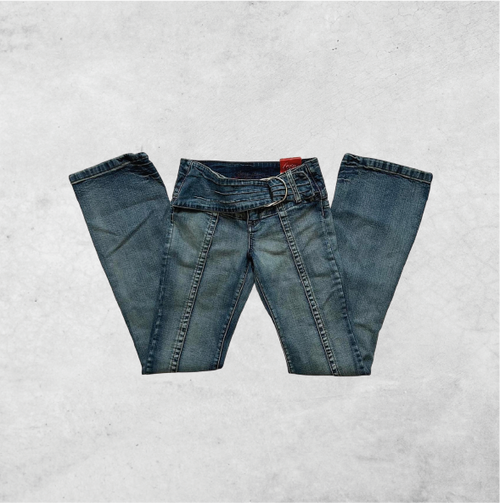
The beauty of vintage lies in its versatility. One of the most effective ways to ground a 90s tour graphic is by pairing it with the bold silhouettes of the early 2000s. Try matching your favorite worn-in tops with y2k jeans for sale to create a look that spans decades of musical influence. If you've found a grail in an XL but usually wear a Medium, embrace the oversized trend. A boxy fit creates a modern, effortless drape that mimics the streetwear of the original era. It's about confidence, not just fit.
For those who want to elevate the look, try layering. Throw an oversized tee over vintage skirts online or under a structured blazer. This contrast between "high" and "low" fashion signals a deep understanding of curated style. You can also experiment with tucking and knotting techniques to achieve a cropped Y2k aesthetic without permanently altering the fabric. Your goal is a capsule wardrobe where every piece has a story and a soul.
preserving the fabric
Gravity is a thief. Hanging your 40-year-old cotton might be a mistake you regret. Over time, the weight of the fabric pulls at the shoulder seams, leading to "hanger bumps" or structural tears. Fold your vintage band tees instead. Keep them in a cool, dry place away from direct sunlight to prevent further fading of those delicate screen prints. If you see a small pinhole, leave it. Those tiny marks are the scars of a life well-lived. Only mend what threatens the structural integrity of the garment.
Cleaning these artifacts requires a strategic approach. Follow the "never dryer" commandment. High heat is the enemy of vintage fibers and will turn your cracked graphics into dust. Wash your pieces in cold water using a mesh bag to prevent snagging. If you're worried about that "vintage scent" often found in thrift stores, we've already solved that for you. At thrifted apart, every piece is manually cleaned before it reaches your door. We remove the grime of the past so you can focus on the future of your style. Ready to start your collection? Browse our latest vintage sweatshirts and tops to find your next piece of history.
thrifted apart: curated, cleaned, and planet-positive
the traditional thrift hunt is broken. You shouldn't have to spend hours digging through disorganized bins or breathing in dust just to find one decent piece of music history. We’ve built a conscious alternative to the chaos. At thrifted apart, we’re the David taking on the fast-fashion Goliaths by proving that high-quality, sustainable style can be both curated and affordable. We don't believe in the "take-make-waste" model. We believe in the strategy of the second chance.
the "thrifted apart" difference
Our rebellion starts with the selection process. While many resellers buy massive, random bales of clothing that end up being 90% landfill waste, we manually hand-pick every single item. This isn't a faceless operation; it’s a dedicated group of individuals looking for the perfect intersection of 90s grit and Y2k energy. We focus on quality control so you don't have to. By choosing to shop with a smaller, ethical business, you’re supporting a movement that values the soul of the garment over mass-market profit margins.
The #1 fear of second-hand shopping is the "thrift store smell." We’ve eliminated that barrier with our "Cleaned" promise. Every piece is manually cleaned before shipping, ensuring that your vintage band tees arrive fresh and ready for the streets. We take the time to prepare each garment with the personal attention it deserves, treating every shirt like the cultural artifact it is. This manual care is what sets us apart from the "randomness" of traditional thrifting.
your next favorite tee is waiting
Accessibility is at the core of our mission. We believe that owning a piece of the past shouldn't be a luxury reserved for those with massive budgets. That's why we offer a range of vintage tops online for under 20. It's high-end curation without the high-end price tag. Whether you’re looking for a heavy-weight 90s cotton or a boxy Y2k fit, our selection is constantly refreshed to keep the style rebellion alive.
We bring this movement to your doorstep with worldwide shipping. No matter where you are, you can skip the "hunt" and go straight to the "find." When your package arrives, you aren't just opening a box; you’re joining a community that prioritizes ethics, quality, and the enduring power of music. The history is already there. All you have to do is wear it. It's time to browse our latest vintage band tees and see the difference that manual curation makes for your wardrobe and the planet.
Wear the rebellion
The era of disposable fashion is over. By mastering the art of tag archaeology and the single-stitch secret, you've gained the tools to identify authentic vintage band tees that carry a genuine musical soul. You aren't just buying a shirt; you're preserving a cultural artifact and choosing a sustainable alternative to the industry Goliaths that prioritize profit over the planet. Every piece of music history you wear is a strike against the fast-fashion machine.
We believe that finding these grails shouldn't be a gamble or a chore. That's why we focus on manual curation, ensuring every item is hand-picked, cleaned, and ready for its next chapter. With worldwide shipping and a commitment to quality, we're bringing the style rebellion directly to your doorstep. You don't have to settle for mass-produced ghosts of the past when you can own the real thing.
The history is already written. Now it's your turn to wear it. It's time to find the pieces that resonate with your sound and your values.
join the rebellion: shop curated vintage band tees
Frequently Asked Questions
How can I tell if a band shirt is actually vintage?
Check the licensing date and the brand of the neck tag first. True vintage band tees must be at least 20 years old; in 2026, this means garments from 2006 or earlier. Look for specific tags like Brockum or Giant and verify the copyright date printed under the graphic. Authentic wear, such as natural cracking in the ink and a soft, thin fabric feel, also signals a genuine age that modern machines can't replicate.
What does "single stitch" mean and why does it matter?
Single stitch refers to a single line of visible thread on the sleeve and bottom hems. This construction was the industry standard until the mid-1990s when manufacturers transitioned to double-needle stitching for speed. It serves as a reliable timestamp for collectors. If a shirt features a single line of thread, it was likely produced before 1996, making it a highly sought-after marker of authentic age and quality.
Are vintage band tees worth the money?
Investing in authentic vintage is a smarter long-term strategy than buying disposable reprints. These pieces often appreciate in value; for example, rare tour shirts from the 90s have seen significant price jumps in the last decade. Beyond the financial aspect, you're paying for a garment that has already survived 30 years and will outlast any modern mall shirt. It's a one-of-a-kind piece of music history that retains its resale value.
How do I wash a vintage shirt without ruining the graphic?
Wash your shirt in cold water on a delicate cycle and never use a dryer. Turn the garment inside out to protect the screen-printed graphic from friction and use a mesh laundry bag for extra security. High heat is the primary enemy of vintage cotton and aged ink; it causes shrinkage and makes graphics peel. Air drying on a flat surface preserves the structural integrity and the story of the piece.
Why are some vintage band tees so expensive?
Price is driven by scarcity, demand, and historical rarity. Some shirts, like a 1997 Marilyn Manson "Worm Snake" tee, sold for $1,200 in early 2026 because very few originals exist in good condition. You're paying for a specific moment in time that cannot be recreated. The market recognizes these items as wearable art and cultural artifacts, which naturally drives prices higher than mass-produced retail alternatives.
Is it better to buy a reprint or an authentic vintage tee?
Choosing an authentic vintage tee is a direct strike against the environmental waste of the fast-fashion Goliaths. Reprints are often made with low-grade materials and have zero resale value. Authentic vintage offers a superior drape, a unique story, and a lower carbon footprint. When you choose the original, you're supporting a circular economy and owning a piece of culture rather than a disposable copy.
How do I find my size in vintage clothing since older shirts run smaller?
Always rely on pit-to-pit and length measurements instead of the size listed on the tag. Vintage cotton shrinks over decades of use, and a 1980s "Extra Large" often fits like a modern "Medium." Manufacturing standards have changed significantly over time. Measure your favorite fitting shirt at home and compare those numbers to the listing to ensure the oversized or cropped fit you're looking for.
Does thrifted apart clean the clothes before shipping?
Yes, we manually clean every single item before it leaves our hands. We understand that the "thrift store smell" is a major pain point for many shoppers, so we take the time to ensure your purchase arrives fresh and ready to wear. This manual selection and cleaning process removes the "randomness" of traditional thrifting. You get the soul of a vintage piece without the grime of the past.