



Why settle for a mass-produced garment designed to fail when you could wear a piece of athletic history that actually gets better with age? The fast fashion machine wants you to believe that quality is a relic of the past, but a genuine vintage champion hoodie proves them wrong. It's a tactical strike against a wasteful industry that prioritizes volume over value. We understand the frustration of paying premium prices for hoodies that shrink, lose their shape, or turn out to be modern fakes. You're looking for something authentic, durable, and ethically sourced.
In this guide, we'll show you exactly how to identify 80s and 90s tags and explain why the legendary Reverse Weave is the ultimate defense against distortion. You'll discover the secrets to dating your finds and how to source cleaned, curated pieces that honor the planet. We're diving deep into the archives to help you master the art of sustainable style while joining a movement that values craftsmanship over convenience. It's time to build a wardrobe that respects both your style and the environment.
Key Takeaways
- Decode labels from the 80s and 90s to verify authenticity and avoid paying premium prices for low-quality modern re-issues.
- Learn why the vintage champion hoodie is a technical marvel, thanks to the 1938 Reverse Weave patent that stops vertical shrinkage.
- Compare the superior cotton-to-polyester ratios of heritage fleece against the flimsy, disposable materials used by today's fast fashion giants.
- Master the oversized 90s silhouette with layering tactics that pair heavy fleece with curated Y2K jeans for a bold, sustainable statement.
- Understand the benefits of sourcing hand-picked and cleaned pieces that are ready to wear, ensuring your commitment to ethics doesn't sacrifice quality.
why the vintage champion hoodie remains the ultimate style icon
The vintage champion hoodie is far more than a basic layer of fleece. It is a heavy, tactile piece of American history that has survived decades of shifting trends and disposable manufacturing. For those of us rejecting the cycle of fast fashion, these hoodies represent a time when clothes were engineered to endure. They aren't just sweatshirts; they are artifacts of a rebellion against the temporary. Every stitch tells a story of durability that modern retail giants simply can't replicate.
from rochester to the runway
It all started in 1919 with the Knickerbocker Knitting Company in Rochester, New York. The brand eventually became Champion, but its DNA remained rooted in functional, high-performance gear. Looking back at the history of the Champion brand, we see a legacy that moved from supplying the U.S. Military to outfitting nearly every major collegiate athletic department in the country. This wasn't about aesthetics at first; it was about survival in harsh conditions. By the 1990s, that same durability made it the unofficial uniform of skate parks and hip hop stages. The hoodie transitioned from the locker room to the runway because it possessed an authenticity that couldn't be manufactured in a boardroom. It became a symbol of grit, excellence, and subcultural defiance.
the cultural weight of the c-logo
The small "C" logo on the left wrist is perhaps the most quietly powerful mark in the world of vintage sportswear. It acts as a badge of honor for the conscious curator. In a world saturated with clones and "vintage-inspired" re-issues, that tiny patch signifies a commitment to the original. This logo moved from being a functional brand identifier to a high-fashion status symbol, yet it never lost its connection to its working-class roots. Vintage logos typically feature a denser, more intricate stitch pattern and a flatter profile that feels bonded to the material rather than the raised, plastic-like texture found on modern mass-market versions.
Finding a vintage champion hoodie with a specific, sun-faded patina or a slightly frayed cuff isn't a flaw. It's the proof of a life lived. Every wash and every wear adds a layer of character that modern machines cannot replicate. When you pull on a hand-picked, cleaned piece from a curated collection, you aren't just wearing a brand. You are wearing a story that refuses to be forgotten by the Goliaths of the industry. It's a choice to value quality over quantity and soul over status.
decoding the reverse weave: engineering for the ages
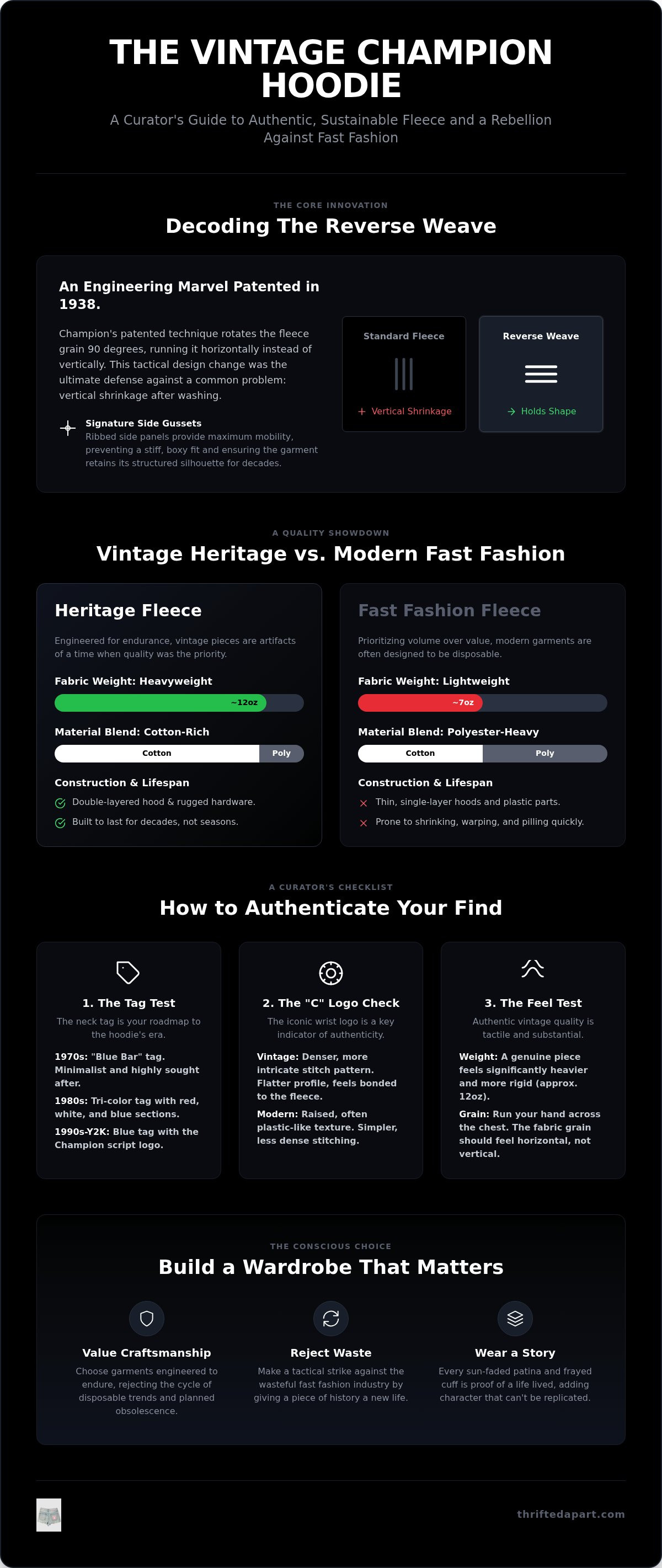
Most hoodies are designed to fail. They shrink in the wash, lose their shape, and eventually end up as waste. In 1938, Champion secured a patent that changed everything. The Reverse Weave was a tactical response to the problem of vertical shrinkage. By rotating the fleece 90 degrees before cutting the pattern, Champion ensured that the fabric grain ran horizontally rather than vertically. It was a simple, brilliant piece of engineering. This meant that when you washed your vintage champion hoodie, it didn't get shorter. It stayed exactly the length it was meant to be, proving that quality isn't an accident; it's a strategy.
Joining the rebellion against fast fashion means choosing garments built with this level of intentionality. Beyond the grain, the Reverse Weave is famous for its signature side gussets. These ribbed panels allow for maximum mobility and prevent the garment from becoming a stiff box. They expand and contract with your movement, ensuring the hoodie retains its structured, heavyweight silhouette for decades. This is why a vintage piece feels significantly heavier and more substantial than the flimsy, 7oz fleece found in modern malls.
how to spot authentic reverse weave
You can identify a true Reverse Weave piece by performing the horizontal grain test. Run your hand across the chest; you should feel the texture of the fabric moving side-to-side. Authentic 90s era pieces are constructed from a 12oz heavyweight cotton blend that provides a distinct rigidity. Look for the double-layered hood, which should be thick enough to stand up on its own, and the oversized silver eyelets that house the drawstrings. These details are the hallmarks of a garment that was built to last a lifetime, not just a season.
dating champion tags from the 70s to the y2k era
The tag is the ultimate roadmap for any conscious curator. In the 1970s, the "Blue Bar" tag reigned supreme. These are the Holy Grails of the vintage world, featuring a minimalist blue bar design. Moving into the 80s and 90s, the "Tricolor" tag became the standard. During the 80s, these tags were smaller and often featured "Champion" in a script font. By the 90s, the tags grew larger and prominently featured the "Made in USA" distinction, which is a key indicator of superior construction. As we transitioned into the early 2000s and the Y2K era, the labels shifted again, often appearing in grey or navy with "Authentic" branding. Understanding these nuances helps you avoid the trap of buying modern re-issues at vintage prices. If you're looking for a piece that has already been verified, you can explore our curated vintage sweatshirts to find a cleaned, authentic icon for your collection.
vintage vs. modern: the rebellion against fast fashion fleece
The fashion industry is a Goliath. It thrives on a relentless cycle of buy, break, and discard. Choosing a vintage champion hoodie is a tactical act of defiance against this planned obsolescence. While modern retail giants claim their new arrivals represent the gold standard, the reality is a story of declining quality and increasing environmental waste. The difference between a heritage piece and a modern re-issue isn't just about the aesthetic. It is about the very fibers used to build the garment and the ethics behind its production.
During the 90s, Champion utilized heavy cotton blends that prioritized durability over profit margins. These pieces often featured high cotton-to-polyester ratios, resulting in a fabric that breathes well, resists pilling, and develops a unique character over time. Modern versions have drifted toward thinner, polyester-heavy blends that feel synthetic and lose their structure after just a few cycles in the dryer. Buying one vintage piece is a strategic move that saves thousands of gallons of water required to produce a single new garment. It is a choice to value the labor and resources of the past over the disposable culture of the present.
why modern champion isn’t the same
In the 2010s, production methods shifted toward mass-market efficiency. This move sacrificed the iconic, boxy silhouette that defined a generation. Modern hoodies are often cut slimmer and longer, failing to replicate the architectural drape and heavy weight of a true vintage piece. A 30-year-old heritage hoodie will likely outlive five modern fast-fashion alternatives before it even begins to show its age. When you compare the two, the lack of structural integrity in contemporary fleece becomes painfully obvious. The soul of the brand has been diluted by the demands of high-volume retail.
the environmental cost of new vs. the power of thrifted
We apply the logic of "Denim Defiance" to every layer we curate. Circular fashion is a strategic strike against overproduction and the destruction of our ecosystems. By opting for sustainable second hand fashion, you are actively reducing your carbon footprint and rejecting the "take-make-waste" model. You're refusing to participate in an industry that pumps out millions of identical, low-quality items every day. A curated thrift store online serves as the modern activist’s wardrobe solution. It provides the quality of the past with the transparency and convenience of the present. Every hand-picked, cleaned piece we offer is a vote for a world where craftsmanship matters more than profit margins.
how to style and maintain your vintage champion hoodie
Owning a vintage piece is only the first step. The real rebellion lies in how you wear it. The vintage champion hoodie isn't meant to be tucked away; it's a versatile tool for disrupting the polished, sterile look of modern fast fashion. Because these pieces were built with the Reverse Weave technology we discussed earlier, they possess a rigid, architectural quality that allows them to hold a boxy 90s silhouette. This isn't about looking sloppy. It's about mastering an intentional, oversized aesthetic that prioritizes comfort without sacrificing a sharp, street-ready edge. You're wearing a piece of history, so let the garment's structure do the heavy lifting.
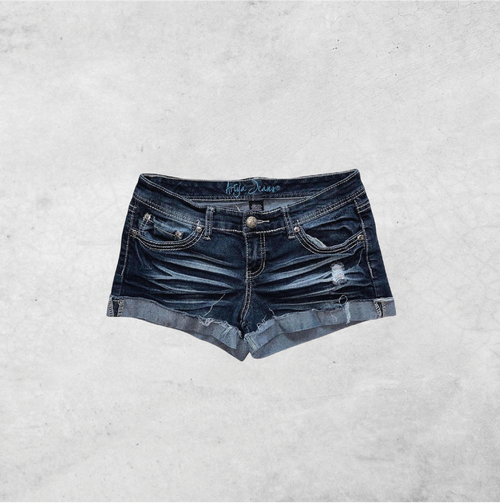
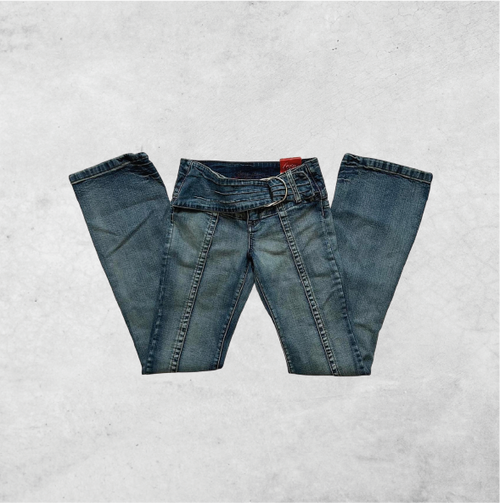
Tactical layering is the key to moving beyond the gym. You can elevate the heavy fleece by pairing it with y2k jeans for sale, creating a balanced look that leans into the authentic grit of the era. The contrast between a structured, vintage sweatshirt and distressed denim creates a visual narrative of durability and style. It's a statement that says you value history over trend-chasing. Transitioning from a relaxed Sunday at home to a street-ready outfit is all about the details. Swap your sweatpants for a pair of curated denim to instantly sharpen the vibe. Accessories like a heavy metal chain or a vintage cap can anchor the look, turning a simple sweatshirt into a deliberate style choice.
y2k aesthetics: oversized and effortless
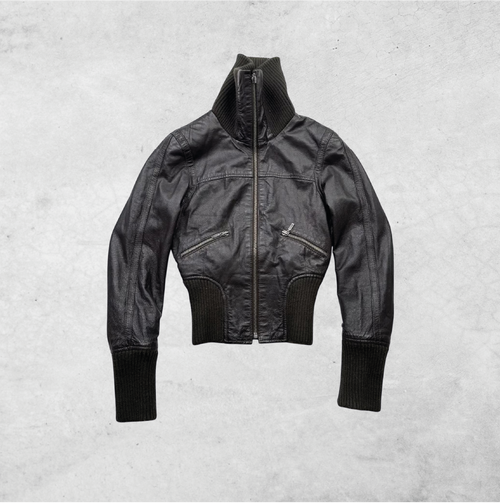
Pairing these heavy hoodies with vintage skirts online offers a high-low dynamic that feels both sophisticated and rebellious. It's a way to subvert expectations by mixing athletic heritage with feminine silhouettes. Try throwing a structured wool blazer or a worn-in leather jacket over your fleece for a look that works in the city or the studio. When you're searching for vintage sweatshirts online, remember that 90s sizing is often more generous than today's slim-fit standards. Don't be afraid to size up. You want a fit that allows the fabric to drape naturally off the shoulders, creating that iconic boxy shape that defines the era.
cleaning and preserving vintage fleece
Preservation is a form of activism. To keep your fleece in top condition for the long haul, use cold water and always air dry. Heat is the absolute enemy of vintage cotton fibers. It causes them to become brittle, leads to unnecessary shrinkage, and destroys that signature softness we all crave. If you find minor stains, treat them as character marks that tell a story of a life lived. If you must clean them, use gentle, eco-friendly spot cleaners rather than harsh industrial chemicals. Never hang your vintage champion hoodie on thin wire hangers. The sheer weight of the 12oz Reverse Weave fleece will cause "hanger bumps" and permanent shoulder stretching. Fold them carefully on a shelf to maintain their structural integrity for the next thirty years. Ready to find a piece that's already been cleaned and cared for? Shop our latest y2k sweatshirts now.
curated, cleaned, and conscious: the thrifted apart difference
The traditional thrifting experience is often a battle. Sifting through unorganized bins in search of a single vintage champion hoodie is a drain on your time and energy. Most people walk away empty-handed or settle for a piece that is stained, stretched, or worst of all, a modern fake. We believe that choosing sustainable fashion shouldn't feel like a chore. It should feel like a strategic victory. At thrifted apart, we do the heavy lifting of the hunt so you can focus on the style. We reject the warehouse-scale, faceless approach of larger resellers who prioritize volume over the soul of the garment. Our process is built on a personal touch that ensures every piece we ship is an asset to your wardrobe.
our hand-picked selection process
Our selection process is rigorous. We don't just look for labels; we look for the architectural integrity of the piece. This means verifying the 12oz fabric weight of 90s Reverse Weave and cross-referencing tags to ensure you aren't getting a flimsy 2010s re-issue. We focus on Y2K and 90s icons because these silhouettes defined a generation of rebellion and possess a durability that today's manufacturers have abandoned. By treating curation as a tool for the curated thrift store online movement, we ensure that every item in our shop is a high-quality alternative to the disposable garbage sold by industry Goliaths. Every stitch is inspected to meet our standards before it ever reaches our website.
joining the style rebellion
Every piece arrives at your door ready to wear. We understand that the "thrift store smell" is a major barrier for many, which is why our cleaning protocol is non-negotiable. We hand-pick, inspect, and professionally clean every vintage champion hoodie before it ever enters our inventory. This isn't just about hygiene; it's about respecting the garment and the person who will wear it next. We ship these unique artifacts worldwide because the rebellion against fast fashion is a global necessity. Whether you are in London, Tokyo, or New York, you deserve access to authentic, sustainable style without the environmental guilt of new production.
When you choose to shop with an underdog brand like ours, your purchase is a direct vote for a more ethical fashion industry. We don't have the massive margins of mass-market retailers because we invest in the manual care and curation that these pieces deserve. We are a dedicated group of individuals, not a faceless corporation, and our vision is clear: to provide a transparent, hardworking alternative to the Goliaths of retail. It is time to stop settling for less and start wearing clothes that align with your values. You are invited to browse our curated collection of vintage champion hoodies and join a movement that values craftsmanship, history, and the planet.
embrace a legacy of durable defiance
Choosing a vintage champion hoodie is more than a style upgrade; it is a conscious decision to step away from the cycle of overproduction and flimsy fabrics. You now have the tools to decode the legendary Reverse Weave and identify the authentic tags that separate true heritage from modern mass-market clones. By prioritizing quality over quantity, you're investing in a garment that was built to survive decades while maintaining its iconic, boxy silhouette. It is a win for your wardrobe and a win for the planet.
We are here to make that transition effortless. Every piece in our collection is hand-picked for its character and professionally cleaned so it arrives ready to wear. As global style activists, we provide worldwide shipping to ensure everyone has access to a sustainable alternative to the fast fashion Goliaths. It is time to stop settling for the temporary and start wearing the history you believe in. Join the rebellion; shop our hand-picked vintage Champion collection today. Your future self, and the environment, will thank you for choosing gear that actually stands the test of time.
frequently asked questions
how can i tell if my champion hoodie is actually vintage?
Check the fabric weight and the specific "C" logo placement on the left wrist first. Genuine vintage pieces possess a distinct rigidity and a "boxy" cut that modern, slim-fit versions simply can't replicate. If the fabric feels thin or the logo is missing, it's likely a modern re-issue rather than a heritage artifact.
what is so special about champion reverse weave?
It is a technical solution to shrinkage that creates a garment capable of lasting for decades. By cutting the fleece on the cross-grain, Champion ensured the hoodie wouldn't lose its length after a wash. This creates a structured, architectural silhouette that is far superior to the standard vertical-grain fleece found in fast fashion malls.
do vintage champion hoodies run small or large?
Vintage Champion pieces typically feature a wide, boxy fit but may have shorter body lengths compared to modern standards. While they are often "oversized" in width, they don't follow contemporary "tall" sizing. We recommend checking pit-to-pit measurements since decades of wear and different production eras can slightly alter the original tag dimensions.
is a vintage champion hoodie worth the investment compared to a new one?
Yes, because a vintage piece offers superior durability and a significantly lower environmental footprint than a new mass-produced alternative. You're paying for a 12oz heavyweight cotton blend that won't pill or thin out after a few washes. It's a strategic strike against waste and a vote for craftsmanship that has already stood the test of time.
how do i date a champion hoodie by its neck tag?
Identify the color and font style of the tag to place it in a specific decade. 70s tags often feature a minimalist bar, while 80s and 90s versions use a tricolor red, white, and blue palette. If the tag mentions "Made in USA," you've likely found a pre-2000s piece that meets the high standards of heritage manufacturing before production moved overseas.
what is the best way to wash a vintage champion sweatshirt without shrinking it?
Use cold water on a gentle cycle and always air dry the garment to preserve the fibers. High heat from a dryer is the fastest way to destroy vintage cotton and cause unnecessary distortion. By skipping the machine dry, you preserve the vintage champion hoodie texture and ensure the side gussets maintain their elastic recovery.
where can i find authentic made-in-usa champion hoodies online?
Look for curated vintage shops that specialize in hand-picked, verified heritage sportswear rather than unverified marketplaces. Specialized stores provide cleaned, authenticated pieces that are ready to wear immediately. This saves you the time and risk associated with sifting through uncurated bins or dealing with dishonest sellers on massive auction sites.
can i style a vintage champion hoodie for a formal-casual look?
You can elevate the structured fleece by layering it under a tailored blazer or a heavy wool overcoat. The rigid texture of a heavyweight hoodie creates a sophisticated contrast when paired with formal outerwear. It's a rebellious take on traditional dressing that works perfectly for creative workspaces where you want to balance comfort with a sharp, intentional edge.