



Your favorite "vintage" find from a high-street giant is likely a lie made of cheap polyester and hollow promises. While mass-market retailers flood the market with flimsy replicas, the real rebellion lies in the heavy fleece of the past. You know the feeling of hunting for authentic vintage graphic sweatshirts only to be met with high price tags for items that lack any actual soul or history. It's frustrating to seek out quality and end up with a garment that won't survive its third wash; it's even worse when that purchase contributes to the environmental cycle we are all trying to break.
We believe you deserve better than the fast fashion status quo. In this article, you will discover the rich history and superior quality of authentic collegiate sweatshirts, from the engineering of the Reverse Weave to the specific details that separate a true relic from a modern imitation. We are going to show you how to spot real vintage without the luxury markup. By the end, you'll understand why these heavy-duty artifacts are the ultimate sustainable alternative for anyone ready to choose character over convenience. Let's look at how these hand-picked pieces of history can transform your wardrobe into a statement of intent.
Key Takeaways
- Understand the evolution of collegiate gear from heavy-duty athletic uniforms into the iconic 90s streetwear staples we prize today.
- Learn why the 'Reverse Weave' construction and high-density fleece offer a level of durability that modern polyester blends simply cannot match.
- Master the collector's checklist for identifying authentic vintage graphic sweatshirts by decoding labels and spotting specific stitching techniques.
- Discover how opting for hand-picked and professionally cleaned vintage pieces acts as a strategic, sustainable alternative to mass production.
beyond the campus: why vintage collegiate sweatshirts define the style rebellion
The heavy-duty collegiate sweatshirt wasn't born in a design studio or a fast-fashion boardroom. It was forged on the practice field. The first sweatshirts were engineered in the 1920s as a literal replacement for itchy, restrictive wool football jerseys. They were tools for athletes; thick, absorbent, and built to withstand the brutal cycle of a locker room laundry. When you hold a genuine vintage piece today, you're feeling that same utilitarian DNA. It's a weight that modern replicas can't replicate because they aren't designed to last thirty years. They're designed to last a season. Choosing vintage graphic sweatshirts is more than a style choice. It's a refusal to participate in the disposability of the modern garment industry.
This shift from athletic gear to a cultural icon didn't happen by accident. It was a slow, organic takeover of the American wardrobe. What started as a way to show school pride on an Ivy League campus eventually became a blank canvas for self-expression. By the time the 90s arrived, these sweatshirts had left the stadium behind to become the uniform of a generation that valued authenticity over polish. That specific, worn-in feel of a 30-year-old sweatshirt is a badge of honor. It's a texture created by decades of life, washes, and wear. It's a soul that cannot be faked by a chemical wash in a factory.
from ivy league to the streets
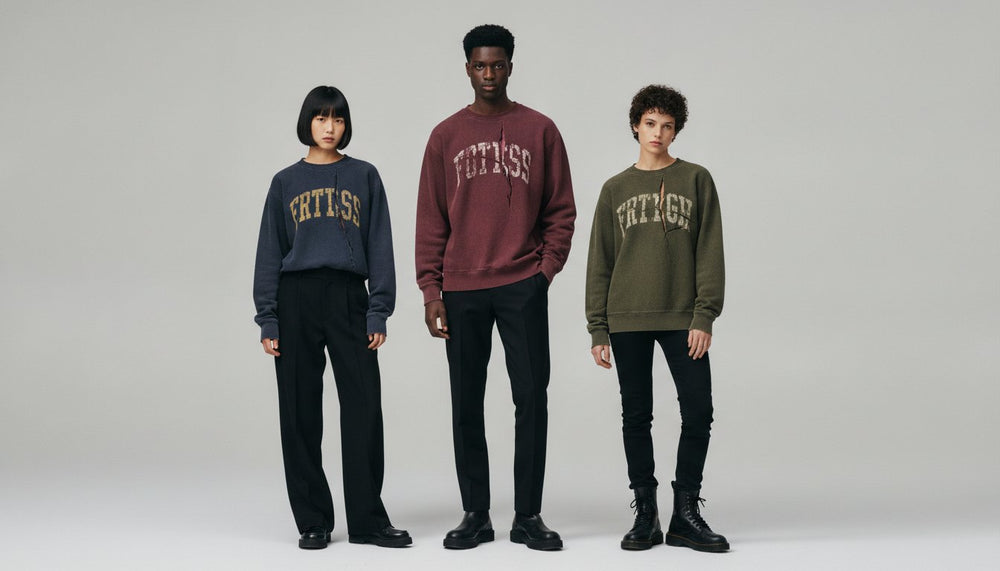
In the 1950s, campus branding was about belonging to an elite institution. However, the 90s hip-hop scene completely flipped that narrative. By reclaiming collegiate logos and wearing them in oversized, defiant silhouettes, the streets turned "prep" into a symbol of rebellion. This era solidified the baggy fit we still chase today. It wasn't just about the name on the chest; it was about the heavy drape of the fabric and the way it commanded space. That oversized look remains an enduring staple because it represents a time when style was about comfort and attitude rather than tight-knit corporate trends.
the rebellion against the replica
Buying a mall-brand retro hoodie is a hollow experience. You're paying for a ghost of a garment made from thin, itchy poly-blends that pill after two washes. When you pivot to sustainable second hand fashion, you are opting out of that cycle. You're joining a movement of conscious curation that prizes the strategy of the find over the convenience of the checkout. Every one of our hand-picked vintage graphic sweatshirts carries a previous life. They have survived the "Goliaths" of the industry. Owning one means you're wearing a piece of history that actually respects the planet.
the heavy-duty history: champion, russell, and the birth of collegiate cool
Long ago, before the race to the bottom, three giants ruled the campus: Champion, Russell Athletic, and Lee. They didn't just make clothes; they built armor for students and athletes alike. During the "Made in USA" era, fabric weight wasn't a cost-saving metric. It was a promise. These brands perfected the 12oz and 14oz heavy fleece, creating a drape and warmth that modern machinery simply cannot replicate. This era established a classic American style that moved from the ivory towers to the heart of global fashion. When you pick up one of these older pieces, the difference is immediate. It's thick, it's structured, and it feels like a garment that was intended to survive a lifetime.
Lee, often the underdog of the trio, contributed the "Cross Grain" technique, which was their answer to the durability problem. It offered similar resistance to shrinking, making their 90s pieces highly sought after by those who know what to look for. Together, these brands created the gold standard for vintage graphic sweatshirts. They didn't rely on flimsy blends; they relied on high-density cotton that only gets better with age. Finding these relics is getting harder as fast-fashion replicas flood the market, but the effort is worth it for a piece that won't fall apart after a single season.
the champion reverse weave legacy
Champion's Reverse Weave is the holy grail for a reason. In 1938, they patented a process where the fabric grain runs horizontally rather than vertically. This technical shift stopped vertical shrinkage, meaning your favorite vintage graphic sweatshirts from thirty years ago still fit exactly how they were intended. It’s a design solution that prioritized the user over the manufacturer’s bottom line. Look for the small "C" logo on the left sleeve; it's a mark of authenticity that gained massive traction in the 1980s. Collectors specifically hunt for the 90s silver tags, which represent the peak of this heavy-duty manufacturing before production began moving overseas. These pieces are survivors.
russell athletic and the eagle R
While Champion refined the fit, Russell Athletic actually invented the cotton sweatshirt in 1926. Before that, athletes wore wool. Bennie Russell Jr. saw the need for something breathable and soft, changing the industry forever. The "Eagle R" logo became a staple across high schools and colleges nationwide. If you're digging through a pile of finds, the tag is your map. The 80s and early 90s featured the iconic gold and blue "Made in USA" tags that signaled a high-density cotton blend. By the early 2000s, the tags became larger and production moved away from the heavy-duty materials that made the brand famous. Spotting these differences is how you avoid the flimsy replicas of the modern era. If you're ready to skip the hunt and get straight to the quality, you can browse our curated selection of sweatshirts that have already passed our rigorous quality checks.
authentic vintage vs. fast fashion replicas: the quality gap
Walking into a mall and grabbing a "retro" hoodie feels like a shortcut. It isn't. You're actually falling into the poly-blend trap. These modern replicas are often thin, itchy, and designed to pill within months. They lack the structural integrity that defined the era when the sweatshirt was invented by Benjamin Russell Jr. specifically for durability. Real vintage graphic sweatshirts from the 80s and 90s were built with a density that modern machines simply aren't programmed to produce anymore. The Goliaths of the industry prioritize speed and cost over the tactile weight of high-quality fleece.
The difference isn't just in the touch; it's in the lifespan. Modern fast fashion relies on heat transfers that peel and crack in an ugly, plastic way. In contrast, 90s screen printing used thick, vibrant inks that merged with the fabric. When these graphics age, they don't fail. They evolve. They develop a unique character that tells a story of decades of wear. Beyond the aesthetics, the environmental cost is staggering. Producing a single new cotton-polyester hoodie requires thousands of liters of water and generates significant carbon emissions. Choosing a hand-picked vintage piece isn't just a style upgrade. It's a strategic move against the throwaway culture of mass production.
the weight of the fleece
If you want to understand the quality gap, look at the GSM (grams per square meter). Most 90s collegiate fleece sits comfortably between 400 and 500 GSM. Compare that to the limp, 280 GSM offerings found in modern "vintage-inspired" collections. Heavy cotton provides a specific "drape" that follows the lines of your body without clinging. It holds its shape after 100 washes. Limp polyester, however, loses its elasticity almost immediately, leaving you with a garment that looks tired before the year is out. This is why we hunt for the heavy stuff. It's built to be a permanent part of your rotation.
fading with grace
There is a specific beauty in sun-faded collegiate colors that no factory wash can mimic. Authentic vintage graphic sweatshirts age with a gradient that reflects their history. We see crackled graphics as a badge of authenticity, not a defect. It's the visual proof of a garment that has survived. When you shop for vintage sweatshirts online, you're looking for that specific rebellion against the soul-less perfection of mass production. You're looking for ribbed cuffs that still snap back and waistbands that don't sag. You're looking for a soul.

the collector’s checklist: how to spot real vintage graphic sweatshirts
Spotting a fake is an act of rebellion. While big-box retailers churn out "distressed" replicas, the true collector knows that quality is hidden in the details. You don't need a degree in textile history to identify authentic vintage graphic sweatshirts; you just need to know where the industry usually cuts corners. Fast fashion depends on you not checking the tag or the hem. By learning these technical markers, you take the power back from mass production and ensure your money supports actual history rather than a corporate imitation.
The first vibe check is the silhouette. True 90s sweatshirts have a characteristic "boxy" fit. They are cut wide through the chest and shoulders but sit shorter on the waist. Modern replicas are almost always long and slim to fit contemporary fast-fashion trends. If it feels like a heavy, square-shaped armor, you're on the right track. While you're at it, check the stitching. Although double-stitch construction is the norm for heavy fleece, some early 80s transitional pieces still feature single-stitch details on the hem or cuffs. Pair this with the "Made in USA" gold standard. While some great pieces were made in Mexico or Canada in the late 90s, that American-made tag is a primary indicator of the heavy-duty fleece weight we prize.
decoding the tags
- Champion: Look for the "Blue Bar" for 80s gems. The 90s are defined by the silver-grey tags with red and blue text. An embroidered "C" on the sleeve that feels thick and slightly raised is a non-negotiable mark of quality.
- Russell Athletic: The "Gold" tag era of the early 90s is the sweet spot for collectors. These tags are usually rectangular and feature the eagle logo prominently.
- Lee: Search for the "Crossgrain" or "Heavyweight" labels. These were Lee's answer to the high-end athletic market and often feature some of the best fabric density in the game.
embroidery vs. screen print
Run your fingers over the graphic. If it's a late 80s piece, you might feel the "puff" print, a raised, 3D ink style that modern printers rarely get right. For collegiate pieces, check the embroidery density. Authentic campus bookstore licenses from the 90s used high-thread-count embroidery that feels stiff and substantial. If the stitching on the inside looks messy or thin, it’s likely a modern imitation. Ready to put your new skills to the test? You can shop our authenticated collection of vintage sweatshirts and see the difference for yourself.
curation as activism: building your wardrobe at thrifted apart
Choosing where to spend your money is a political act. In an era of mass-produced replicas and disposable trends, opting for vintage graphic sweatshirts is a quiet but powerful rebellion. At thrifted apart, we don't just sell clothes; we curate alternatives. We position ourselves as the "David" in a world of fast-fashion Goliaths. Every piece in our collection is hand-picked for its character and history. We see curation as a form of activism. By rescuing these heavy-duty artifacts, we are collectively opting out of the environmental guilt that defines the modern industry. This is a movement built on the belief that quality should be accessible, not a luxury gatekept by high-end boutiques.
Trust is built in the details. We understand the hesitation that comes with buying second-hand, which is why our process is transparent and thorough. Every item is meticulously cleaned and refreshed before it ever reaches the shop. We want your collegiate find to feel like a new addition to your story, not someone else's leftovers. This manual care ensures that the soul of the garment remains intact while meeting modern standards of wearability. Joining our community means choosing strategy over convenience. It means valuing the hunt and the history of a garment over the mindless click of a fast-fashion checkout. Our y2k sweatshirts shop is the next logical step for anyone ready to embrace this defiance.
the thrifted apart promise
no random piles. We reject the "digging through bins" model of traditional thrifting. Instead, every item is curated for its specific style, weight, and condition. We disrupt the "luxury vintage" market by offering affordable pricing for authentic pieces. Our goal is to make sustainable fashion a viable choice for everyone, not just a niche elite. Whether you are in London or Los Angeles, we offer worldwide shipping to fuel this global style rebellion. Every order is a brick in the wall against mass production.
styling your collegiate find
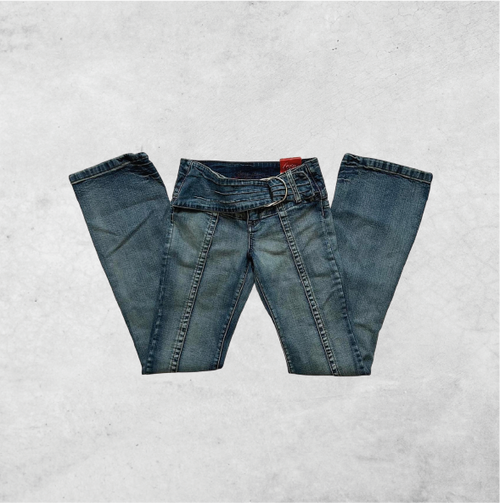
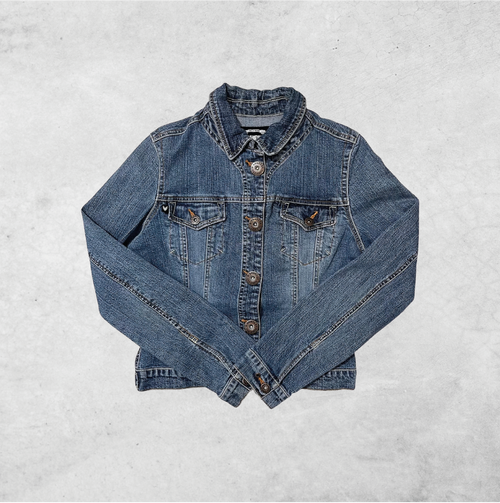
Authentic style is about contrast. We love pairing the structured, boxy silhouette of vintage graphic sweatshirts with the relaxed, defiant lines of our y2k jeans for sale. It creates a modern, conscious aesthetic that feels both nostalgic and forward-thinking. Try layering your heavy fleece over a crisp tee or under a vintage denim jacket to play with textures and weights. This isn't just about looking good; it's about building a wardrobe that reflects your values. Ready to join the movement? Browse the latest drop and find the piece of history that speaks to you.
choose character over convenience
We've explored how the engineering of the 90s, from the Reverse Weave to heavy-duty fleece, created garments that outlast any modern replica. You now have the technical checklist to decode tags and verify stitching, ensuring your collection is built on authentic history rather than disposable polyester blends. Choosing vintage graphic sweatshirts is a strategic decision that rejects the throwaway culture of the modern industry in favor of durability and soul.
At thrifted apart, we take the guesswork out of the hunt. Every item in our collection is hand-picked and professionally cleaned, offering you unique pieces you won't find at a local mall. By supporting circular fashion, you are joining a movement that values manual care and ethical curation over mass production. It's time to stop settling for flimsy imitations and start wearing clothes that actually mean something. join the rebellion and shop our curated vintage sweatshirts today. Your next favorite piece of history is waiting for you.
frequently asked questions
what makes a sweatshirt 'collegiate'?
A sweatshirt is considered collegiate when it features the branding, mascot, or name of a specific university or college. These garments originally served as athletic uniforms for campus sports teams before evolving into everyday student wear. Today, they represent a piece of academic history and campus culture that transcends the classroom, offering a timeless aesthetic that connects current style to the heritage of the past.
how do i know if my champion sweatshirt is actual vintage?
You can verify a vintage Champion piece by examining the neck tag and the sleeve logo. Look for the iconic "C" logo on the left cuff and check the tag style; silver grey tags with red and blue text are hallmarks of the 90s era. Modern replicas often lack the heavy fabric weight and specific "Made in USA" or "Assembled in Mexico" labels found on authentic relics.
are vintage collegiate sweatshirts worth the money?
Investing in authentic vintage graphic sweatshirts is worth it because they offer superior durability and a lower environmental footprint than new fast fashion. These pieces were manufactured with high-density fleece that doesn't pill or sag like modern polyester blends. You are paying for a garment that has already survived thirty years and is built to last another thirty, representing a strategic choice for your wardrobe and the planet.
why is 'made in usa' important for vintage sweatshirts?
The "Made in USA" label is a gold standard because it marks an era when American manufacturing prioritized fabric density and structural integrity. During this period, brands like Russell and Champion used 12oz to 14oz fleece that feels significantly more substantial than modern alternatives. It is a reliable indicator that the garment was built before the industry shifted toward cheaper, thinner global production that lacks character.
how should i wash my vintage collegiate sweatshirt to keep it soft?
To maintain the soft texture of your fleece, wash it in cold water on a gentle cycle with a mild detergent. Avoid using fabric softeners as they can actually damage the fibers over time. Always air dry your piece or use the lowest heat setting on your dryer to prevent shrinkage and keep the interior fleece from becoming crunchy or losing its distinctive loft.
what is the difference between a hoodie and a collegiate pullover?
The main difference lies in the neckline and hood construction. A hoodie features a built-in hood and often a kangaroo pocket, while a collegiate pullover is typically a crewneck style without these additions. Pullovers are the definitive "campus look" from the 80s and 90s, offering a cleaner silhouette that layers easily under jackets or over collared shirts for a more versatile aesthetic.
why do vintage sweatshirts feel heavier than new ones?
Vintage pieces feel heavier because they were constructed with a higher GSM (grams per square meter) and a much higher cotton content. Modern industry giants often use thinner, air-spun polyester yarns to save on material costs, resulting in a lightweight, flimsy feel. Authentic vintage graphic sweatshirts rely on tightly knit, heavy-duty fibers that provide a natural drape and superior warmth that survives decades of wear.
can i find affordable vintage collegiate sweatshirts online?
Affordable finds are absolutely available if you know where to look. While luxury boutiques might overcharge, curated platforms like thrifted apart focus on making quality history accessible to everyone. We hand-pick and clean every item to ensure you get a premium, sustainable piece without the inflated price tag often found in high-end vintage markets. Strategy and curation beat mass-market convenience every time.