

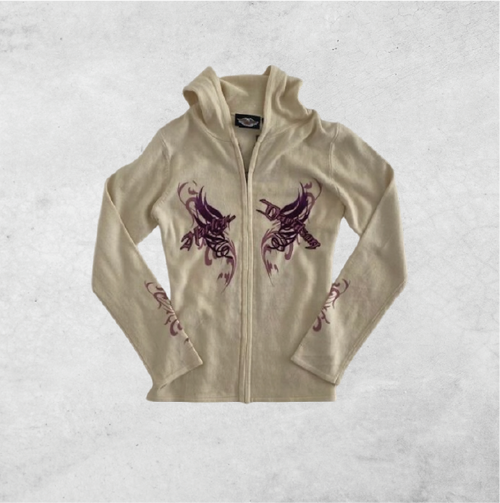

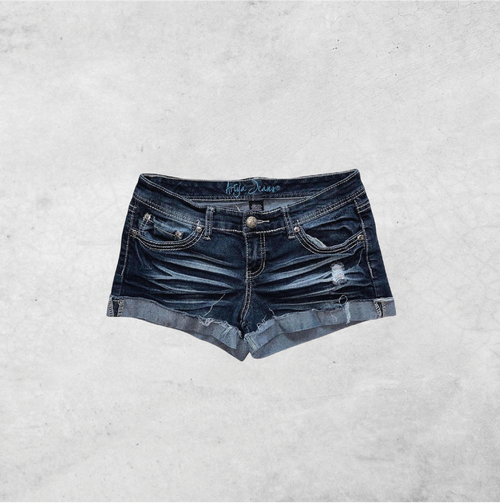
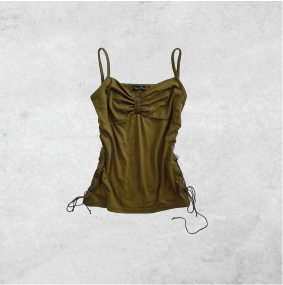
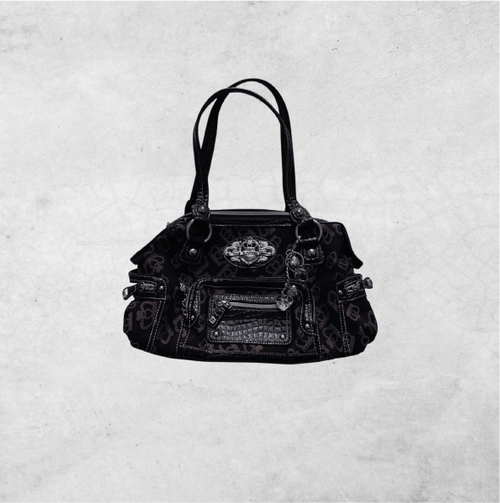
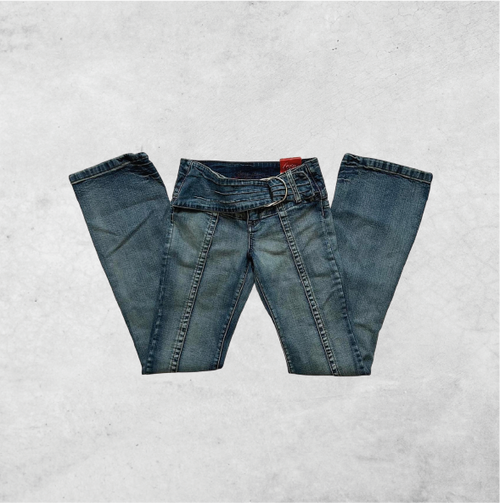
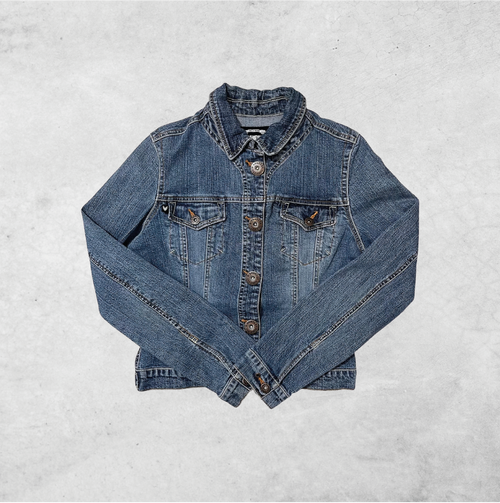
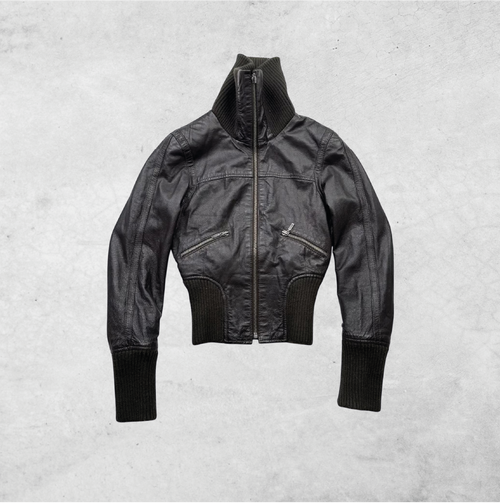
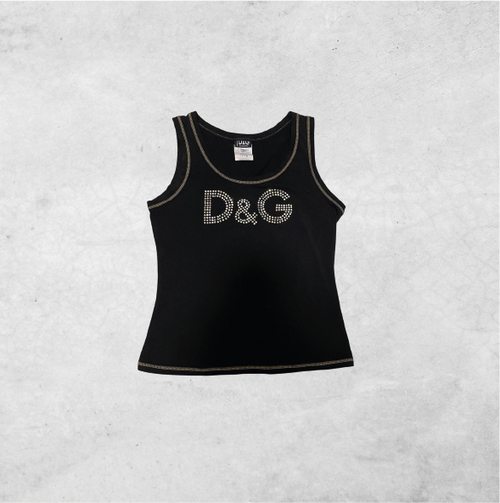
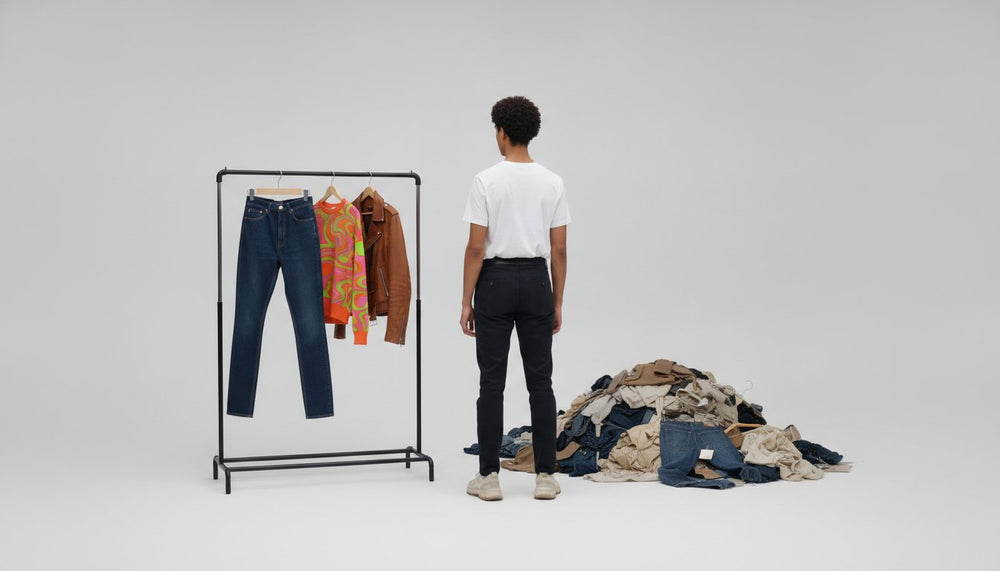
fast fashion is a scam designed to fail, and the only way to win is to stop playing their game entirely. You're likely tired of seams that unravel after two washes and the heavy weight of knowing that 85% of all textiles end up in landfills every single year. It's frustrating to feel like your only options are low-quality disposable rags or the overwhelming, dusty chaos of uncurated bins. We get it. You want clothes that actually mean something.
Choosing sustainable second hand fashion is no longer just a hobby; it's a strategic rebellion against a system that prioritizes profit over the planet. We're here to show you why second hand is the most ethical choice you can make in 2026. You'll learn how to move past the "haul" culture and start curating a high-quality, unique wardrobe that lasts for years. We're breaking down the myth that you have to choose between style and your values, proving that a curated collection of vintage tops and y2k denim is the ultimate power move for your closet and the earth.
Key Takeaways
- Understand why moving away from planned obsolescence is a strategic rebellion that protects both your personal style and the planet.
- Learn the specific environmental math behind how choosing sustainable second hand fashion saves thousands of liters of water and slashes your personal carbon footprint.
- Discover how professional curation acts as the antidote to thrift store fatigue, allowing you to find high-quality pieces without the stress of digging through unorganized bins.
- Get a step-by-step guide to auditing your closet and prioritizing durable vintage denim and y2k tops over disposable fast fashion trends.
- See how a dedicated cleaning and curation process ensures your ethical wardrobe feels fresh, professional, and ready for years of wear.
Beyond the Trend: Why Sustainable Second Hand Fashion is the Future
The fashion industry is at a breaking point. Choosing sustainable second hand fashion isn't just about saving a few dollars or finding a quirky outfit; it's an act of defiance against a system that profits from environmental destruction and human exploitation. We're moving beyond the idea of "used" clothes and into a new era where garments are valued for their history, construction, and longevity. This is a shift from mindless consumption to intentional curation. It's a rebellion. It's about reclaiming your personal style identity from the algorithms that want you to look exactly like everyone else.
the death of fast fashion
Fast fashion relies on planned obsolescence. It's a race to the bottom where quality is sacrificed for speed. In 2026, the cost of "cheap" clothing is clearer than ever. The industry is responsible for 10% of total global carbon emissions, and 85% of all textiles end up in landfills each year. Micro-trends are designed to make you feel "out of style" within weeks, forcing a cycle of constant buying that the planet simply can't sustain. By choosing second hand, you disrupt this retail cycle and stop funding the giants who prioritize volume over value. You're choosing quality over quantity.
why second hand is the ultimate ethical choice
The most sustainable garment is the one that's already sitting in a warehouse or a closet. This "already exists" principle is the foundation of the Sustainable fashion movement. It takes approximately 700 gallons of water to produce just one new cotton shirt and a staggering 2,000 gallons for a pair of jeans. When you buy vintage tops or y2k jeans, you're breaking the cycle of extraction and production. You're opting out of the demand for new raw materials and instead supporting a circular economy that breathes new life into high-quality pieces. Supporting independent curators ensures that your money supports people who actually care about the craft of clothing, rather than faceless entities pushing for mass production. It's about supporting the underdogs who value ethics as much as aesthetics.
Reclaiming your identity as a curator means you aren't just a target for an advertisement. You're a strategist. You're building a wardrobe that reflects your values and your unique aesthetic, one hand-picked piece at a time. This is how we win. We stop being consumers and start being keepers of garments that actually last.
The Environmental Impact: How Second Hand Clothing Rescues the Planet
Every new garment produced is a withdrawal from the Earth's dwindling resources. It's a heavy price to pay for a trend that might last three weeks. The math is simple and devastating. It takes approximately 700 gallons of water to produce one cotton shirt and a staggering 2,000 gallons for a single pair of jeans. By choosing sustainable second hand fashion, you're effectively clawing that resource back from the brink of waste. You're opting out of a production cycle that is costly for the planet in ways that a price tag never reveals.
The hidden logistics of fast fashion are just as toxic. In the traditional retail model, the carbon cost of shipping, returns, and the eventual disposal of unsold stock creates a massive environmental deficit. Returns in the fast fashion industry often go straight to the incinerator or landfill because restocking is more expensive than destroying the product. Second hand marketplaces operate on a different logic. Every item is saved from the landfill and placed directly into the hands of someone who will value it. It's a lean, clean, and intentional way to dress.
saving the world, one sweatshirt at a time
Buying a pre-loved sweatshirt instead of a new one reduces the garment's carbon footprint by approximately 80% because the energy-intensive manufacturing process has already occurred. New synthetic fleeces are notorious for shedding microplastics into our water systems with every wash cycle. Older, high-quality garments often feature tighter weaves and more natural fibers that shed less and last longer. This is why exploring vintage sweatshirts online has become a primary strategy for those looking to build a resilient, ethical wardrobe. It's the easiest gateway to a lower-impact lifestyle.
tackling the textile waste crisis
In 2026, the reality of textile waste is impossible to ignore. 85% of all textiles end up in landfills every year, where synthetic fabrics can take hundreds of years to decompose while leaching chemicals into the soil. Sustainable second hand fashion acts as a vital intervention in this lifecycle. While modern fast fashion is often a blend of low-grade plastics designed to fall apart, vintage pieces were built with a focus on durability and natural fibers. Extending the life of a garment by just nine months can reduce its carbon, water, and waste footprints by up to 30%.
We believe that every rescued item is a victory against the giants of overproduction. If you're ready to join the movement, you can browse our curated collection of hand-picked pieces that are ready for their next decade of wear.
Curation vs. Consumption: Navigating the Second Hand Marketplace
Thrifting shouldn't feel like a second job. For many, the initial excitement of opting out of the fast fashion cycle is quickly replaced by "thrift store fatigue." This happens when you're faced with miles of unorganized racks, stained fabrics, and the overwhelming chaos of uncurated bins. It's the point where most people give up and head back to the convenience of the mall. But the problem isn't the clothes; it's the lack of strategy. To make sustainable second hand fashion a permanent part of your life, you have to move from mindless consumption to intentional curation. This shift is essential for building a circular economy for fashion that actually respects the garment and the person wearing it.
Mindful shopping is the ultimate rebellion. It means looking past the temporary high of a "haul" and focusing on the long-term value of a single, well-made piece. When you shop with a curator's eye, you're looking for high-quality vintage fabrics like heavy-weight cotton, wool, and durable denim that have already proven they can stand the test of time. You aren't just buying more junk; you're rescuing pieces that were built to last decades, not weeks. This approach reduces the noise in your closet and ensures that every item you own serves a specific purpose.
the power of the hand-picked
Professional curation is the antidote to the overwhelm of the modern marketplace. While digging through bins can be a thrill for some, most people need a more reliable way to access quality. Choosing vintage tops online through a trusted boutique ensures that the heavy lifting of quality control is already done. A skilled curator knows how to spot a genuine vintage gem in a sea of fast fashion crud, checking for structural integrity, authentic hardware, and fabric health before it ever reaches your screen. This saves you hours of time and guarantees that your wardrobe meets high ethical and aesthetic standards without the stress of the hunt.
honouring the garment through care
The "thrifted apart" standard is built on the belief that second hand shouldn't mean second best. We don't just sell "used" clothes; we restore them. Every piece undergoes a rigorous cleaning and refreshing process to ensure it arrives at your door ready for its next life. When you're inspecting garments yourself, look for strong seams and functional zippers. Don't be afraid of minor issues; simple repairs like sewing a button or fixing a small hem can extend a garment's life by another twenty years. By investing time into garment care, you're honouring the resources that went into its creation and proving that sustainable second hand fashion is the most sophisticated way to dress.

How to Build a Sustainable Wardrobe with Vintage and Y2k Pieces
Building a wardrobe that doesn't cost the Earth requires more than just a credit card. It takes a strategy. Moving into sustainable second hand fashion is about shifting your mindset from "what's cheap right now" to "what will I still love in five years." The process starts with a brutal audit of your current closet. You need to identify what you actually wear every day versus what you bought during a late-night scrolling session. Once you've separated your real needs from fleeting wants, you can start filling the gaps with intention. Focus on high-impact basics that form the backbone of any resilient style. Vintage sweatshirts and heavy-weight denim are the perfect starting points because they offer a level of durability that modern fast fashion simply can't replicate.
To ensure your new wardrobe stands the test of time, you have to prioritize fabric over labels. In 2026, the market is flooded with "luxury" items made of cheap polyester blends that trap heat and fall apart after a few washes. Instead, look for natural fibers like cotton, wool, and silk. These materials breathe better, age more gracefully, and are far easier to repair. By choosing to shop from trusted, curated sources, you skip the risk of poor fit and hidden damage. You're investing in a collection that is uniquely yours, built on a foundation of quality rather than quantity.
reclaiming the y2k aesthetic
Y2K fashion is more than just nostalgia; it's the perfect entry point for anyone looking to escape the beige, boring minimalism pushed by mainstream retailers. Reclaiming this aesthetic means finding unique Y2k skirts and jeans that actually have personality. While fast fashion brands try to mass-produce "retro" looks, they often miss the soul of the original garments. Wearing authentic pieces from the turn of the millennium is a rebellion against the cookie-cutter trends of the present. It's a way to make a bold fashion statement while keeping your carbon footprint low. You aren't just wearing "outdated" styles; you're proving that good design doesn't have an expiration date.
investing in vintage quality
There is a specific, tactile joy in owning authentic vintage fleece and denim. Older garments were often constructed with a level of care that is now reserved for the highest-end bespoke brands. By focusing on these durable pieces, you can build a high-quality capsule wardrobe even on a budget. One well-made vintage top can replace five disposable alternatives, saving you money and closet space in the long run. This is the heart of sustainable second hand fashion: buying less, but buying much, much better.
Ready to start your own style rebellion? Shop our curated collection of hand-picked vintage and Y2K pieces and find your next forever favorite.
thrifted apart: Your Partner in the Sustainable Style Rebellion
We didn't start this boutique just to sell clothes. We started it to prove that sustainable second hand fashion can be high-quality, affordable, and deeply personal. While industry giants continue to churn out millions of identical, low-grade garments, we're taking a stand for the unique and the enduring. Our mission is to make ethical dressing accessible to everyone, regardless of where they live. By focusing on hand-picked items that have already survived the test of time, we're helping you build a wardrobe that reflects your soul rather than a corporate marketing plan.
Every purchase you make is a vote for a different kind of future. It's a rejection of the "burn and bury" model that has dominated the industry for too long. We ship worldwide because the style rebellion shouldn't have borders. Whether you're looking for a specific pair of vintage jeans or a one-of-a-kind sweatshirt, we bring the best of the circular economy directly to your doorstep. You're joining a community of individuals who value transparency, manual care, and the raw authenticity of a well-worn story.
the thrifted apart difference
We don't just sell "used" clothes. We curate them. Every item in our collection is hand-picked for its structural integrity and aesthetic value. Once a piece is selected, it undergoes a professional cleaning and restoration process that sets us apart from the unorganized chaos of typical resale. We treat every vintage top and y2k skirt with the respect it deserves, ensuring it arrives at your home ready to wear. Supporting an independent boutique like ours means you're investing in a team of real people who care about the craft of curation, helping us take on the fast fashion Goliaths one garment at a time.
start your sustainable journey today
The thrill of the hunt is better when you know the quality is guaranteed. Our latest drops are designed to help you find those "holy grail" pieces that define your personal style. There's nothing quite like the excitement of discovering a garment that fits your aesthetic perfectly while knowing it didn't cost the Earth. It's time to reclaim your closet and your conscience. You can find pieces that resonate with your identity without compromising your ethics. Join the rebellion—shop our curated vintage collection and find the pieces that will tell your story for years to come.
Join the Style Rebellion and Reclaim Your Closet
The fast fashion cycle is broken, but you don't have to be part of the wreckage. By choosing sustainable second hand fashion, you're reclaiming your style from the giants of overproduction and proving that high-quality curation beats mindless consumption every time. You've seen the data on water savings and the reality of textile waste. Now, it's about taking that first step toward a resilient, one-of-a-kind closet that actually tells your story.
We're here to make that transition effortless. Every piece in our shop is hand-picked and professionally cleaned, giving you an eco-friendly alternative to the disposable trends of the high street. We handle the curation so you can focus on the style, bringing the best of the circular economy to your door with worldwide shipping available. It's time to stop settling for clothes that are designed to fail and start investing in pieces that are built to last.
Shop our hand-picked, cleaned vintage collection today and start building a wardrobe you can be proud of. Your style is your voice; make sure it's saying something meaningful.
Frequently Asked Questions
Is second hand fashion truly more sustainable than buying new ethical brands?
Yes, because the most sustainable garment is the one that already exists. While ethical brands are a better alternative to fast fashion, they still require raw material extraction, water, and energy for manufacturing. By choosing sustainable second hand fashion, you're bypassing the production phase entirely and utilizing resources that have already been spent. It's the most effective way to lower your wardrobe's total environmental footprint.
How do I know if second hand clothes are clean and high quality?
The key is to shop with curated boutiques that prioritize quality control over volume. At thrifted apart, we don't just sell used clothes; every item is hand-picked for its structural integrity and then professionally cleaned before it ever reaches our shop. You should look for sellers who provide clear photos and detailed descriptions of fabric health to ensure you're getting a piece that's ready to wear.
Why is vintage clothing often better quality than modern fast fashion?
Vintage garments were constructed during an era that valued durability over planned obsolescence. Before the industry shifted toward disposable micro-trends, clothing was made with higher-weight natural fibers and more robust stitching techniques. This focus on longevity means a vintage sweatshirt or a pair of y2k jeans can often withstand decades of wear, whereas modern fast fashion items frequently fall apart after just a few wash cycles.
Can I build a trendy wardrobe using only second hand fashion?
You can stay ahead of the curve more effectively with second hand pieces because modern trends are almost always rehashed versions of the past. Whether it's the resurgence of y2k skirts or the timeless appeal of vintage tops, buying the original versions gives you a more authentic look. It allows you to build a unique, trendy wardrobe that doesn't look like it came off a corporate assembly line.
What is the environmental impact of shipping second hand clothes worldwide?
While shipping does have a carbon footprint, it's a fraction of the total impact of a new garment. The environmental cost of a new item includes the massive amount of water used in cotton farming and the toxic dyes used in textile processing. When you buy pre-loved, you're only responsible for the logistics of movement, which is significantly lower than the energy-intensive manufacturing cycle of new clothing.
How do I find my size when shopping for vintage and Y2K clothes online?
Ignore the size on the tag and rely on actual measurements instead. Sizing standards have changed dramatically over the decades, so a "large" from the 90s might fit like a modern "medium." We provide specific measurements for our garments so you can compare them to a piece you already own. This is the only reliable way to ensure a perfect fit when building your sustainable second hand fashion collection.
What should I do with my second hand clothes when I no longer want them?
Keep the circular economy moving by reselling, swapping, or gifting your items to someone who will value them. If a garment has truly reached the end of its wearable life, look for a specialized textile recycler that can break down the fibers for new uses. The goal is to keep high-quality fabrics in use and out of the waste stream for as long as possible.
Does second hand shopping really help reduce textile waste in landfills?
Every pre-loved purchase is a direct intervention that prevents a garment from joining the 85% of textiles that end up in landfills each year. By extending the life of a single item, you're reducing the demand for the mass overproduction that fuels the global waste crisis. Choosing second hand is a practical, everyday rebellion that keeps durable materials out of the ground and in our closets.