

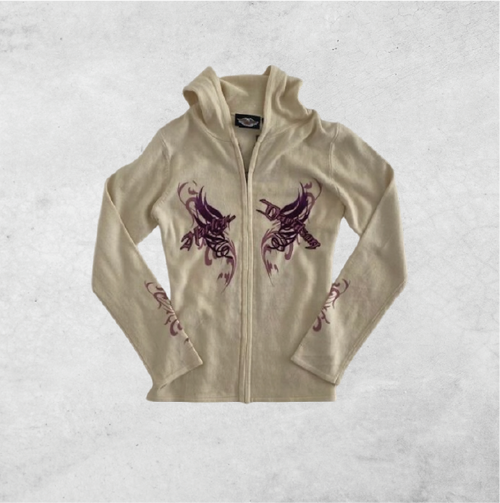

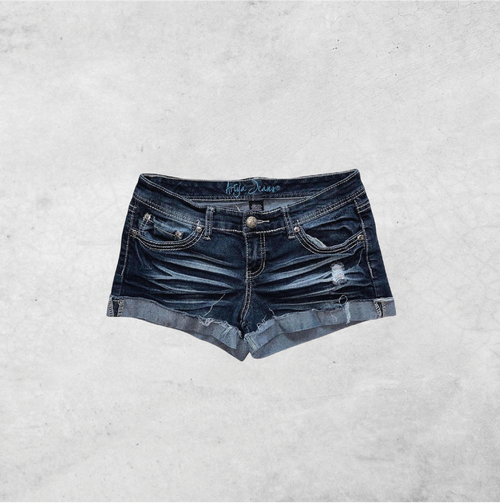
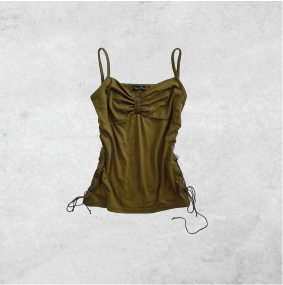
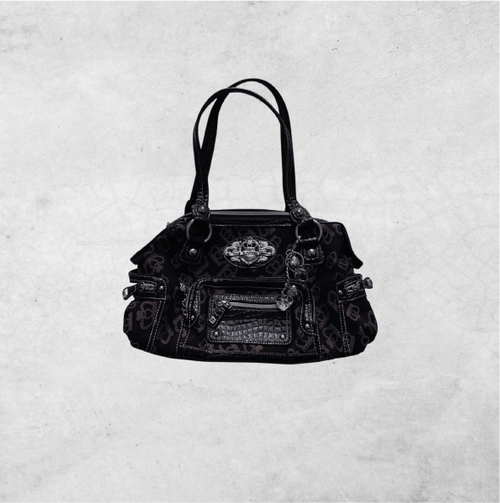
The most rebellious act in modern fashion isn't buying the latest drop. It's choosing to step away from the cycle of disposable trends entirely. You've likely felt the frustration of watching a new shirt unravel after just two washes, yet the thought of spending your entire Saturday digging through dusty, unorganized bins feels like another chore you don't have time for. It's a common struggle. We want affordable thrifted fashion that feels fresh and intentional, but we're often met with either overpriced vintage boutiques or the overwhelming chaos of traditional charity shops.
With the U.S. secondhand market hitting a record $61 billion in 2026, it's clear that the movement toward conscious consumption is no longer just a niche hobby. You deserve a wardrobe that aligns with your ethics without sacrificing your time or your aesthetic. This guide reveals how to build a high-quality, eco-conscious closet by focusing on hand-picked, ready-to-wear pieces that bypass the fast fashion trap. We'll explore strategic ways to source durable vintage sweatshirts and y2k denim, ensuring your style rebellion is as effortless as it is impactful.
Key Takeaways
- Understand why the fast fashion era is crumbling and how joining the thrifted rebellion secures both your style and the planet's future.
- Learn why choosing a curated collection saves you hours of "bin diving" while ensuring every piece in your closet actually fits your aesthetic.
- Discover how to master affordable thrifted fashion by using the price-per-wear metric to justify high-quality vintage over disposable alternatives.
- Identify the essential high-quality basics, like vintage jeans and sweatshirts, that form the foundation of a lasting, sustainable wardrobe.
- Find out how to skip the "dirty" stigma of secondhand shopping with ready-to-wear vintage that arrives professionally cleaned and hand-picked for quality.
why the fast fashion era is ending (and the thrifted rebellion is here)
The fast fashion era isn't just slowing down. It's hitting a wall. In 2026, the global shift toward affordable thrifted fashion has moved from a niche trend to a full-blown cultural reset. We're witnessing the rise of the conscious curator. This isn't about just buying things for less money. It's about the intersection of budget, personal style, and a fierce ethical stance against a system designed to fail. The era of the mass consumer is over. We're choosing evergreen vintage over disposable trends because we've seen the cost of the alternative. It's a shift in strategy. We're no longer playing the game of the giants.
We've grown tired of the cycle. The thrill of a cheap haul fades the moment a seam rips or the fabric pills after two washes. By choosing to curate rather than just consume, we reclaim our power. We prioritize the soul of a garment. Affordable thrifted fashion offers a way to build a high-quality wardrobe that actually lasts, proving that ethics and aesthetics can coexist without the fast fashion price tag. It's a rebellion against the mediocre. It's a choice to be different.
the problem with fast fashion 'deals'
Cheap clothes are a trap. Planned obsolescence ensures that a low-cost hoodie is destined for the bin after a single season. Beyond the fraying seams, there's the invisible damage of synthetic microplastics. Every wash releases these fibers into our waterways, poisoning the very ecosystems we rely on. In 2026, the fast fashion fallout is evidenced by a U.S. secondhand market now worth $61 billion, as millions of shoppers reject the waste of traditional retail models. Buying new is no longer the easy choice. It's the expensive one when you consider the environmental toll and the constant need for replacement.
thrifting as a style rebellion
Choosing sustainable second hand fashion is a quiet act of defiance. It's a way to reclaim your individuality in a world of algorithmic trends. When you wear a one-of-a-kind piece, you aren't just looking good. You're disrupting the big retail giants that profit from overproduction. This is a movement. It's about finding community among those who value the history and manual care of a garment over a generic barcode. By embracing sustainable fashion, we choose quality over quantity. We join a movement that values people and the planet over corporate profit margins. It's about being an underdog with better taste.
curated vs. random: decoding affordable thrifted fashion
The traditional thrift store experience is often a gamble. We've all been there. You spend three hours digging through overflowing bins only to walk away with a sweater that has a hidden moth hole or a pair of jeans that fits nothing like the tag suggests. This is the "random" approach to second-hand shopping. It's exhausting. It's time-consuming. Most importantly, it often leads to the very waste we're trying to avoid. True affordable thrifted fashion in 2026 isn't about the chaos of the hunt. It's about the strategy of curation. When you choose a curated collection, you're paying for the expertise of someone who has already filtered out the junk, checked the seams, and verified the authenticity of every piece.
Curation bridges the gap between ethics and convenience. Hand-picked items mean fewer returns and better fits because each garment is evaluated for its "soul" and its structural integrity. At thrifted apart, we believe that the "dirty" stigma of uncleaned thrift finds has no place in a modern wardrobe. Every item is professionally cleaned and refreshed before it ever reaches your door. This "ready to wear" standard is essential. It transforms a used garment into a premium alternative to fast fashion, allowing you to skip the laundry prep and go straight to styling your new look. Focusing on high-value categories like vintage tops online or durable denim ensures that your investment goes toward pieces with proven longevity.
why curation saves you money
It sounds counterintuitive, but spending slightly more on a curated piece often costs less in the long run. Curation eliminates "thrift store fatigue," that mental drain that leads to impulse buys you'll never actually wear. By focusing on a "cleaned and refreshed" standard, you avoid the hidden costs of repair or specialized cleaning. You're buying a finished product, not a project. If you're ready to stop digging and start building a wardrobe with intention, you can browse our hand-picked vintage collection to see the difference curation makes.
identifying high-quality vintage fabrics
The secret to a sustainable wardrobe lies in the fibers. 90s and Y2k denim stands the test of time because it was often constructed from 100% heavy-weight cotton, unlike the thin, plastic-filled stretch denim that dominates modern malls. Similarly, vintage cotton sweatshirts offer a level of breathability and structural memory that synthetic blends simply cannot match. To identify true quality in the wild, look at the construction. A single stitch along the hem and sleeve of a vintage t-shirt indicates a pre-1990s construction method that often signals a more durable, higher-quality garment than the double-stitched mass-produced alternatives found today. These small details are the markers of a piece that will last another twenty years.
the real cost of style: why vintage jeans and tops beat fast fashion
True affordability isn't found on a price tag. It's found in the lifecycle of the garment. For the conscious shopper, the most important metric isn't the initial cost but the price-per-wear. This is where affordable thrifted fashion outshines the high-street giants every time. A £20 fast fashion hoodie might seem like a bargain until you realize it's effectively a subscription to mediocrity. It pills after three washes, loses its shape by the second month, and eventually ends up in a landfill because its resale value is exactly zero. It's a disposable asset. It's a waste of your hard-earned money.
Contrast that with a vintage pullover sweatshirt that has already survived two decades of wear. These pieces were built with a level of manual care and material integrity that modern mass production simply can't replicate. When you buy vintage, you're investing in an item that holds its value. If you decide to rotate your wardrobe in a year, that sweatshirt will still be worth what you paid for it. It's a circular investment. It's a smarter way to shop. Even the wash cycle proves the point. While modern synthetic blends warp and fray, vintage denim and heavyweight cotton actually get better with age, softening into a perfect, lived-in feel that no factory-distressing can mimic.
the y2k denim defiance
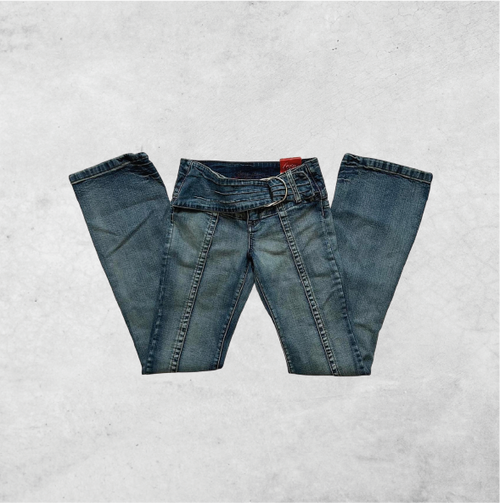
Modern "distressed" jeans are a hollow imitation of history. They use chemicals and lasers to fake a story that hasn't been lived. Choosing y2k jeans for sale is an act of defiance against this artificiality. Authentic Y2k denim offers a structural durability that handles daily life without thinning at the inner thighs or losing its elasticity. Finding the perfect fit in vintage sizing requires a bit more attention to measurements, but the payoff is a silhouette that feels grounded and real. It's a better investment because it's built to last another twenty years, not just twenty washes.
sweatshirts and tops: the layering essentials
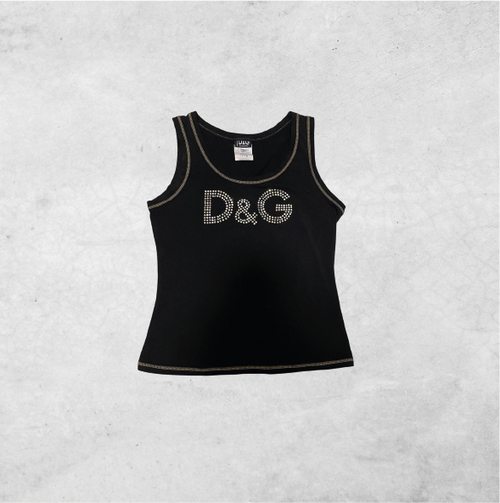
Vintage fleece is a different beast entirely. It stays soft and dense because it was often made with a higher percentage of natural fibers and a tighter knit. This makes 90s and 2000s streetwear tops the ultimate layering essentials for a year-round wardrobe. The graphic appeal is unique too. You get original art and bold typography that hasn't been watered down by modern trend cycles. By focusing on these durable, affordable thrifted fashion staples, you build a closet that is both stylistically rebellious and financially sound. You aren't just buying clothes. You're curating a collection of survivors.

5 ways to build a sustainable wardrobe on a budget
Building a wardrobe that lasts requires a strategy, not just a credit card. It's a method. To truly master affordable thrifted fashion, you need to stop thinking like a consumer and start thinking like a curator. This five-step approach isn't about following trends; it's about building an arsenal of pieces that reflect your values and your soul. We're moving away from the chaos of the hunt and toward a deliberate, rebellious system of style.
- Step 1: Start with the foundation. High-quality denim and vintage sweatshirts are the workhorses of your closet. They handle daily life better than any fast fashion alternative.
- Step 2: Filter the noise. Focus on curated shops that have already done the heavy lifting. This prevents "junk fatigue" and keeps your aesthetic sharp.
- Step 3: Master the nuance. Dive into our guide to curated style to learn how to build a cohesive, long-term look.
- Step 4: Blend the eras. Mix Y2k statement pieces, like bold skirts, with grounded vintage staples for a look that feels both historic and fresh.
- Step 5: Respect the garment. Cold washes and air drying aren't just eco-friendly; they're essential for preserving the manual care that went into vintage construction.
styling y2k and vintage for 2026
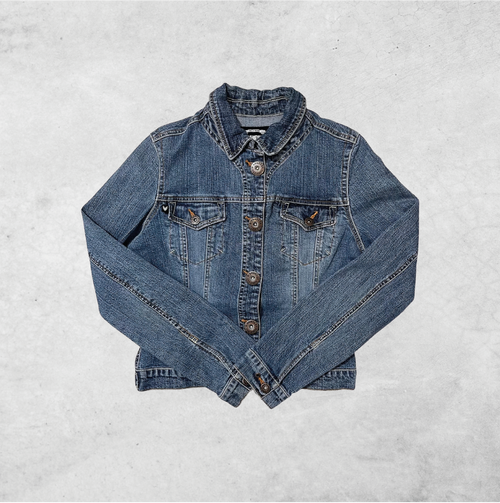
In 2026, style is about the high-low mix. Pair an oversized, boxy vintage sweatshirt with a structured Y2k skirt for a silhouette that feels modern yet rebellious. This isn't about a costume. It's about using the past to disrupt the present. For winter, layer vintage fleeces under durable denim jackets. For summer, swap the heavy layers for vintage cotton tees and light Y2k skirts. It’s a year-round system that ignores the fast fashion calendar. By choosing these durable pieces, you ensure your look remains evergreen while others are stuck in the cycle of constant replacement.
thrifting without the hunt
We don't have time to dig through dusty basements. The modern budget hack is shopping "ready to wear" cleaned items. It saves you the cost of dry cleaning and the frustration of hidden stains. Set alerts for new drops at your favorite online stores to snag the best pieces before they're gone. Always shop by measurements. Tag sizes from 1998 don't match tag sizes from 2026. Knowing your inches is the ultimate strategy for a perfect fit every time. This approach makes affordable thrifted fashion accessible even for the busiest schedules. Ready to join the movement? shop the latest curated vintage drops now.
thrifted apart: making unique y2k and vintage pieces accessible
thrifted apart isn't just a digital storefront. It's a conviction. We founded this space to act as a rebellious alternative to the high-street giants that profit from planned obsolescence and environmental neglect. While mainstream retailers focus on moving massive volumes of low-quality goods, we focus on the strategy of the individual. We believe that affordable thrifted fashion should be accessible without the compromise of quality or cleanliness. This is why we've positioned ourselves as a conscious curator for those who want to join the movement but don't have the luxury of time to spend hours in unorganized donation centers. It's about providing a better way to shop.
Every piece in our inventory is hand-picked for its style and its soul. We don't just look for labels. We look for the history of a garment and its potential to anchor a modern wardrobe. This personal attention ensures that our selection of vintage tops and y2k jeans feels intentional rather than accidental. Because we offer worldwide shipping, this rebellion isn't restricted by geography. We're bringing the best of second-hand strategy to your door, ensuring that high-quality, eco-conscious style is a global reality rather than a local privilege. We're the underdog taking on the industry giants, one curated drop at a time.
our quality promise
Transparency is the foundation of trust. We understand that a major barrier to second-hand shopping is the uncertainty of condition. This is why our quality promise involves a rigorous multi-point check for stains, tears, and authentic wear. We don't hide flaws; we evaluate every seam and button. Our "cleaned and refreshed" guarantee means that every vintage sweatshirt and skirt arrives sanitized and ready for immediate wear. We focus on the manual care that fast fashion ignores, ensuring that your investment is structurally sound and aesthetically sharp. You get the character of vintage without the "dirty" stigma of the hunt.
join the rebellion
Choosing an independent, purpose-driven boutique is a tactical decision. When you shop with us, you're directly reducing textile waste and supporting a slow fashion model that values people over profit margins. You're opting out of the disposable trend cycle and into a community of conscious curators who believe that what we wear should reflect what we stand for. This isn't just retail. It's a strategy for change. We invite you to step away from the mass-produced and into something with real history. Shop our latest hand-picked drops and take your place in the style rebellion today.
start your style rebellion today
The shift toward affordable thrifted fashion is more than just a way to save money. It's a strategic move to reclaim your individuality and invest in quality that outlasts any fast fashion trend. By choosing curated vintage over the chaos of the bins, you prioritize your time and your ethics. You've seen how the price-per-wear of a heavyweight 90s sweatshirt or authentic Y2k denim far outweighs the false economy of disposable retail. This is your invitation to step out of the cycle of waste and into a wardrobe built with intention and soul.
At thrifted apart, we make this transition effortless. Every piece in our collection is hand-picked for quality and style, ensuring you receive only the best of past decades. We handle the hard part by making sure every item is professionally cleaned and refreshed before shipping, so your new favorite find arrives ready to wear. With worldwide shipping on all our unique vintage finds, building a sustainable closet has never been more accessible.
Join the style rebellion: Shop curated vintage and Y2k at thrifted apart. Your future self, and the planet, will thank you for choosing gear with a story.
frequently asked questions
is thrifted fashion actually more affordable than fast fashion?
Yes, thrifted fashion is more affordable when you consider the price-per-wear and long-term durability of the garments. While a fast fashion hoodie might have a lower initial price, it often falls apart within months. High-quality vintage pieces are built to last decades, retaining their value and saving you from the constant cycle of buying new, poorly made items that require frequent replacement.
how do i know if vintage clothes are clean?
You can ensure vintage clothes are clean by shopping with curated boutiques that offer a professional cleaning guarantee. At thrifted apart, every item is refreshed and sanitized before it reaches your door. If you are buying from uncurated sources, you often have to handle the laundry yourself. Choosing a "ready to wear" provider eliminates the cleaning guesswork and ensures a premium experience.
what is the difference between second-hand and curated vintage?
Second-hand is a broad term for anything previously owned, while curated vintage involves a strategic selection process. Curators hand-pick items based on style, "soul," and structural integrity, filtering out the junk you find in random bins. This approach ensures affordable thrifted fashion feels like a premium service rather than a messy hunt through unorganized and often uncleaned charity shop racks.
how can i find my size in vintage y2k jeans?
To find your size in vintage Y2k jeans, you must rely on actual measurements rather than the number on the tag. Sizing standards have shifted significantly over the last thirty years. Measure your favorite pair of jeans across the waist, rise, and inseam. Compare these numbers to the listing details to ensure a perfect fit that ignores outdated and inconsistent label conventions.
why should i buy thrifted clothes online instead of in-store?
Buying online allows you to skip the time-consuming physical hunt while accessing a global inventory of specific styles. You can use filters to find exactly what you need, such as vintage sweatshirts or Y2k skirts, in seconds. Online shops also provide detailed measurements and professional cleaning, which traditional thrift stores often lack, making it a more efficient strategy for busy people.
how does thrifting help the environment?
Thrifting reduces the demand for new production, which significantly lowers carbon emissions and prevents textile waste from entering landfills. By recirculating existing garments, you also reduce the release of synthetic microplastics into the oceans. It is an activist choice that disrupts the fast fashion industry’s exploitative manufacturing cycle and promotes a circular economy that respects the planet's finite resources.
what are the best vintage brands to look for on a budget?
Look for legacy brands known for heavy-duty construction, such as vintage Levi's, Carhartt, or old-school sportswear labels like Champion. These brands used higher-quality cotton and denim in the 90s and 2000s compared to their modern counterparts. Focus on the material and construction rather than just the label to find affordable thrifted fashion that will stand the test of time and many washes.
can i return thrifted items if they don't fit?
Return policies vary by store, so it is essential to check the specific terms before you buy. Many online vintage boutiques offer returns if an item does not match the description or measurements provided. Because every piece is unique, some smaller shops may only offer exchanges or store credit. Always verify the policy on the website to ensure your style rebellion is risk-free and supported.