

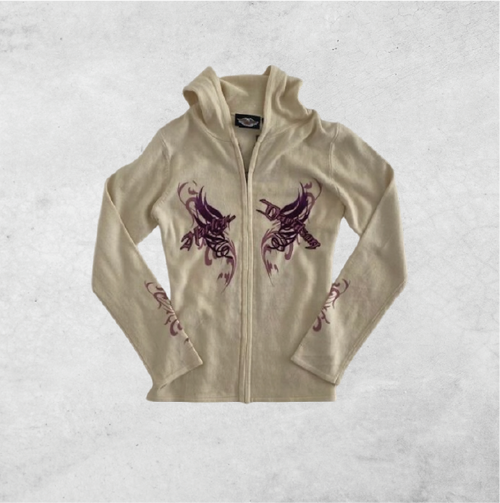

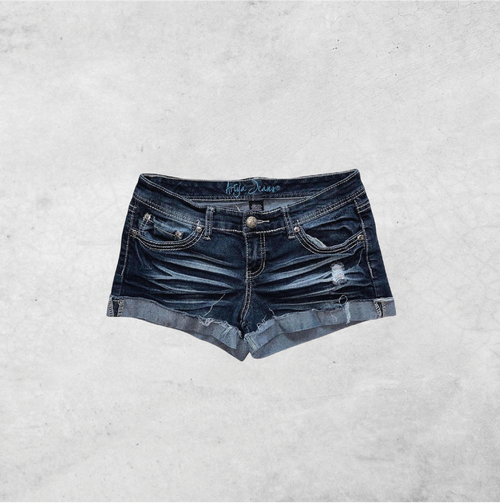
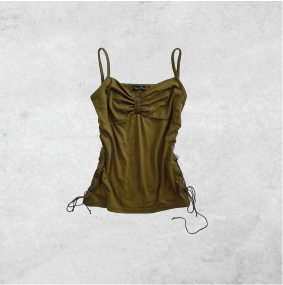
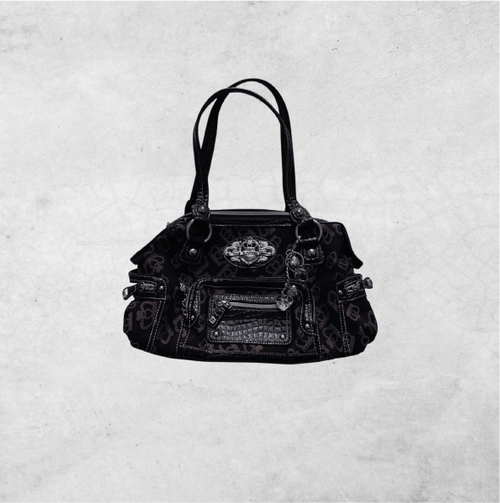
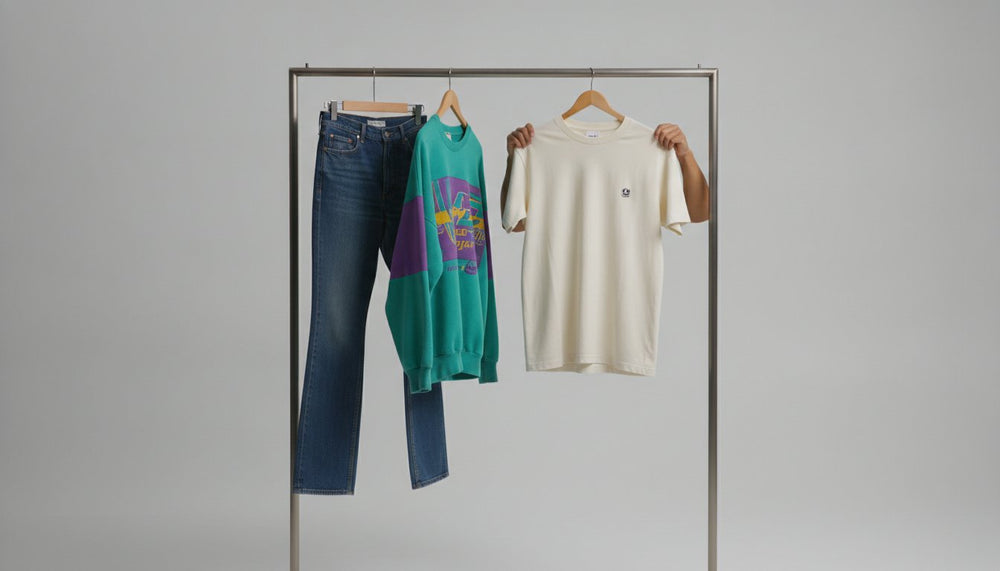
The most rebellious thing you can do for your wardrobe in 2026 isn't just buying second-hand; it's demanding that it actually lasts. We've all been there. You find a killer pair of Y2K jeans or a vintage sweatshirt, only to realize the thrift store smell is permanent or the fabric is one wash away from disintegration. It's frustrating to spend hours digging through bins just to end up with a project instead of a ready-to-wear outfit. Choosing vintage clothing refreshed and cleaned is more than a convenience. It's a strategic move against the disposable culture of the modern fashion industry.
You deserve a wardrobe that reflects your eco-conscious values without the extra labor of restoring every find. In this guide, you'll learn exactly how to identify high-quality second-hand fashion that feels like new. We'll show you why professionally curated vintage is the only ethical alternative to the fast fashion giants. We're going to break down the ultimate 2026 quality checklist, covering everything from fabric integrity to the shift toward professionalized curation. It's time to build a sustainable wardrobe that looks incredible and stands for something bigger.
Key Takeaways
- Learn why the "thrift store smell" happens and how professional standards transform old garments into ready-to-wear essentials.
- Identify the "holy grail" of vintage and Y2k fabrics, from heavyweight cotton to raw denim, to ensure your pieces survive more than one wash.
- Evaluate the true cost of the "thrift hunt" compared to the security of buying vintage clothing refreshed and cleaned by experts.
- Master the 2026 digital checklist for inspecting seams, tags, and descriptions to guarantee quality before you hit "buy."
- Discover why choosing curated, professionally cleaned fashion is a strategic rebellion against the disposable culture of the modern industry.
the hygiene barrier: why 'thrifted' doesn't mean 'dirty'
The biggest obstacle between most shoppers and a sustainable wardrobe isn't style or price. It's a psychological wall often called the "hygiene barrier." We've been conditioned by big retail to believe that a garment wrapped in a crisp plastic polybag is inherently cleaner than one that has lived a previous life. This is a myth. That "new car smell" of fast fashion is actually a cocktail of finishing chemicals, anti-fungals, and formaldehyde resins used to keep cheap fabrics from rotting in shipping containers. In contrast, vintage clothing refreshed and cleaned by professionals undergoes a transformation that makes it far more sanitary than something straight off a high-street rack.
The infamous "thrift store smell" isn't a sign of permanent filth. It's usually a combination of oxidized dust, microscopic skin cells, and the environmental scents of long-term storage. When we talk about a professional standard for curated vintage, we aren't just talking about a quick cycle in a home washing machine. We're defining a process of total fabric rejuvenation that strips away decades of neglect to reveal the high-quality garment underneath. This is a necessary evolution for the industry. To compete with the convenience of fast fashion, the second-hand market must provide pieces that are ready to wear the moment they arrive at your door.
breaking the stigma of pre-loved apparel
Shifting your mindset starts with understanding that professional cleaning is actually a form of restoration. Unlike home laundry, which often relies on harsh detergents and high heat that can damage old fibers, industrial refreshing uses specialized steam and eco-friendly solvents. These methods align with textile conservation principles, ensuring that the structural integrity of the piece is preserved while deep-seated impurities are removed.
Consider the environmental trade-off. A new polyester sweatshirt requires thousands of gallons of water and releases toxic dyes into local ecosystems during production. A piece of vintage clothing refreshed and cleaned uses a fraction of those resources to achieve a superior result. By choosing professionally handled vintage, you're opting for a garment that has already been "vetted" by time and then reset for a second life, free from the chemical residues found in factory-fresh alternatives.
why curation starts with a deep clean
At thrifted apart, we view the cleaning process as a diagnostic tool. Random thrift bins hide flaws under layers of dust and grime. A deep, professional clean is the only way to reveal hidden pinholes, thinning fabric, or stubborn stains that might not be visible at first glance. If a garment can't survive our rigorous refreshing process, it doesn't make it to our store.
Our commitment is simple: we provide ready-to-wear garments that feel like new but carry the soul of the past. This level of care is what makes our sustainable second hand fashion pillar a viable strategy for the future. We don't just sell clothes; we sell a standard of quality that proves you don't have to sacrifice hygiene to join the rebellion against disposable fashion. Every vintage sweatshirt or pair of Y2k jeans we ship has been hand-selected and meticulously prepared, ensuring your first experience with the piece is about style, not a restoration project.
the anatomy of high-quality vintage and y2k fabrics
True quality is something you feel before you see. In the rebellion against paper-thin fast fashion, the 'holy grail' of textiles remains heavyweight cotton, authentic wool, and raw denim. These materials were engineered for longevity, not just for a single season's microtrend. When you source vintage clothing refreshed and cleaned by experts, you're investing in a weave that has already proven its resilience. A vintage sweatshirt from the late 90s often weighs twice as much as its modern counterpart, simply because the fiber density hasn't been sacrificed for profit margins.
You have to be careful of "fast fashion vintage." These are poorly made modern cast-offs that mimic old aesthetics but use cheap, synthetic blends that pill and stretch after a few wears. They might look the part in a grainy photo, but they lack the structural soul of a true vintage piece. Finding vintage clothing refreshed and cleaned to a high standard means learning to spot these modern imposters early. Real quality is found in the weight of the fabric and the precision of the construction. It's the difference between a garment that survives a decade and one that ends up in a landfill by next year.
spotting durable y2k denim and skirts
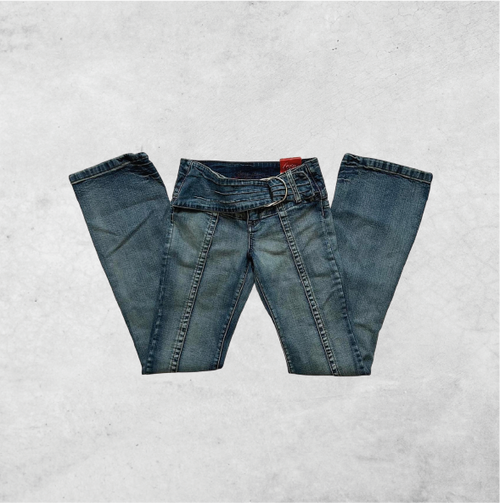
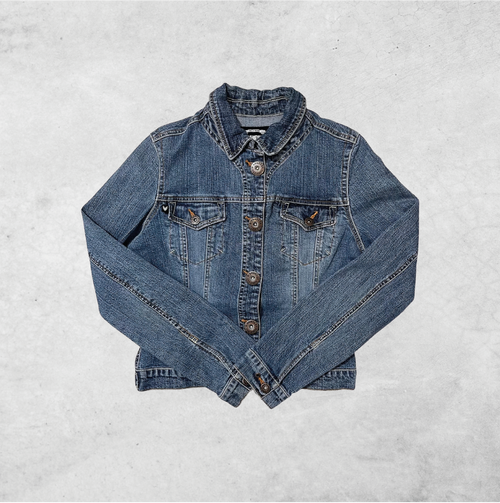
High-quality Y2k jeans are defined by their hardware and their heft. Look for heavy-duty zippers and reinforced stitching at the stress points, like the pockets and inner thighs. When denim is professionally refreshed, it doesn't feel limp or "tired." Instead, the fibers are reset to their original tension, giving the jeans a crisp, structured silhouette that flatters the body. This same attention to detail applies to Y2k skirts and vintage tops. The hardware shouldn't feel like plastic; it should feel like a tool built to last. You can find these durable, ready-to-wear Y2k jeans and skirts in our curated shop.
the role of fabric composition in the cleaning process
Every material has a unique personality that dictates how it should be handled. You can't dunk a structured wool blazer into a vat of water and expect it to maintain its shape. Instead, we rely on professional textile conservation methods, such as eco-friendly steam refreshing, to lift odors without stressing the fibers. This is vital for maintaining the "loft" of the fleece in our vintage sweatshirts pillar. Modern cleaning technology allows us to preserve that soft, cloud-like interior that usually gets scorched away in a standard home dryer. By matching the cleaning method to the fabric's DNA, we ensure that the piece arrives at your door in its best possible state.
diy refreshing vs. buying professionally cleaned vintage
The romanticized "thrift hunt" often omits the messy reality of the aftermath. You spend hours digging through dusty bins, only to spend three more hours hunched over a bathtub scrubbing out mystery stains. While the initial price tag might be lower, the true cost of uncleaned second-hand finds is measured in time, labor, and the very real risk of total garment failure. Opting for vintage clothing refreshed and cleaned by specialists isn't just a luxury. It's a strategic choice to ensure the piece you fell in love with actually survives its first week in your closet.
DIY cleaning is a high-stakes gamble with textile history. Without professional-grade equipment, you face the constant threat of color bleed on rare Y2k graphics or irreversible shrinkage of natural fibers. Hardware damage is another silent killer. Standard detergents and aggressive machine cycles can corrode vintage zippers or snap delicate plastic buttons that are impossible to replace. Professional refreshing maintains the structural integrity of these era-specific details, using controlled environments that home setups simply can't replicate.
the hidden costs of 'cheap' uncleaned thrift
The "bargain" of a dirty garment disappears when you factor in the price of specialized stain removers and the hours spent soaking and air-drying. Many shoppers experience the "thrift store fail" where a stain simply won't budge, turning a five-dollar find into a five-dollar rag. We position ourselves as a David fighting the Goliath of wasted consumer effort. By handling the restoration ourselves, we eliminate the frustration of failed DIY projects and provide a ready-to-wear alternative that respects your schedule.
why pro-cleaning is better for the planet
Efficiency is the cornerstone of a truly sustainable wardrobe. Industrial-grade steamers and refreshing systems often use significantly less water than the multiple, heavy-duty wash cycles required to strip "thrift funk" at home. This professional intervention is what keeps high-quality garments out of landfills. When a piece is restored to its prime, its lifecycle is extended by years rather than months. You can join this movement by choosing vintage tops online that have already been through our rigorous processing. It's a cleaner, faster, and more principled way to build your style.

the 2026 checklist for buying cleaned vintage online
Shopping online for vintage shouldn't feel like a gamble. In 2026, the standard for a quality listing has shifted from a simple photo to a comprehensive proof of restoration that respects both the garment and the buyer. When you search for vintage clothing refreshed and cleaned, you're looking for a seller who takes accountability for the hygiene and longevity of their stock. Transparency is the new cool. If a shop can't tell you how they handle their textiles, they aren't part of the rebellion against fast fashion; they're just another middleman for clutter.
Use this essential checklist to verify the quality of your next find before you hit the checkout button:
- Visual verification: Look for clear, high-resolution photos of the inner tags and seams. If a seller hides the care label, they might be hiding the true fabric composition or signs of structural fatigue.
- Scent and texture: Does the description explicitly mention a "refreshed" or "neutral" scent? A quality refresh removes the "thrift funk" without replacing it with heavy, artificial perfumes.
- Hardware status: Zippers, buttons, and snaps should be described as "functional" or "restored." Vintage hardware is often superior to modern plastic, but only if it's been properly maintained.
- Measurement accuracy: Professional cleaning resets the fibers. A quality seller provides exact measurements because vintage clothing refreshed and cleaned won't have "shrinkage surprises" after you wash it at home.
- Protocol transparency: Does the shop explain their cleaning process? Authentic curators are proud of their restoration methods.
how to read between the lines of a vintage listing
"Needs a good soak" is a massive red flag. It's often code for a permanent stain that the seller couldn't remove. "As-is" is another warning; it usually means the item is too fragile to survive a professional cleaning cycle. High-res photos are your best tool for verifying a "refreshed" status. If you can't see the crispness of the weave or the vibrancy of the print, the garment probably hasn't been properly processed. "Hand-picked" should mean more than just "found in a bin." It should signal a human inspection that caught every loose thread and failing seam before the item was listed.
verifying the 'quality bar' of second hand clothes
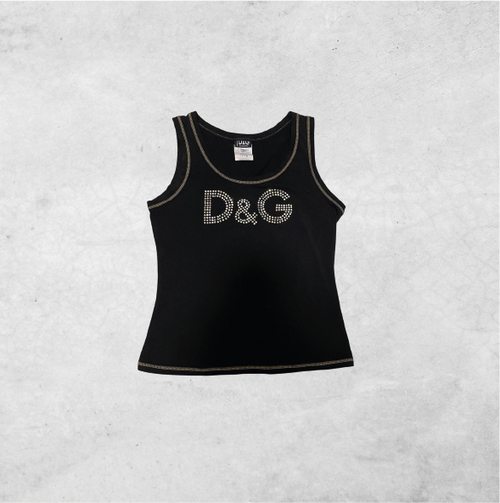
Look for specific signs of wear that a good refresh can't always hide, like pilling on vintage sweatshirts or "crotch-wear" on Y2k jeans. The sign of a truly elite refresh is a garment with crisp hemlines and colors that pop. If the fabric looks muddy or the edges are frayed beyond repair, it hasn't met the 2026 quality bar. Building a sustainable wardrobe is about finding pieces that are ready to wear, not projects that sit in your laundry pile. For more tips on finding the best pieces, see our guide on vintage skirts and tops online.
Ready to skip the guesswork and join the movement? Shop our hand-picked, professionally cleaned vintage collection now.
joining the rebellion: why curated cleaning matters
The era of the "lucky find" has evolved into the era of the conscious choice. In 2026, the gold standard for second-hand fashion isn't just about the label or the decade. It's about the state of the garment when it reaches your hands. Choosing vintage clothing refreshed and cleaned by specialists is a vote for quality over quantity. It's a refusal to accept the "thrift funk" as a necessary evil and a demand for a wardrobe that feels as fresh as it is ethical. We've moved beyond the chaos of the bins toward a more strategic, intentional way of dressing.
We see ourselves as a David taking on the Goliaths of the fast fashion industry. While the giants rely on your willingness to settle for the disposable, we rely on your desire for the enduring. Fast fashion is built on a cycle of constant replacement, but our mission is to provide pieces that have already stood the test of time and been reset for a second life. By professionalizing the cleaning and curation process, we remove the friction that keeps people tethered to big-box retailers. You don't have to sacrifice hygiene or convenience to be a rebel.
the thrifted apart promise: hand-picked and planet-positive
Our process is simple, transparent, and built on manual care. Every single item in our collection is hand-picked for its structural integrity and style potential. We don't deal in bulk; we deal in character. Once a piece is selected, it undergoes our rigorous refreshing protocol to ensure it's ready to wear the moment it arrives at your door. We ship worldwide because we believe that sustainable, high-quality alternatives should be accessible to everyone, regardless of where they live.
Every purchase you make is more than just a transaction. It's an active support of a movement away from mass production and toward a more circular economy. Our lowercase aesthetic and direct communication reflect our grassroots values. We aren't a faceless corporation. We're a dedicated group of individuals working to make the world a bit cleaner, one Y2k sweatshirt at a time. We prioritize the "why" behind every garment, ensuring that your style rebellion is backed by genuine ethical strategy.
your next move in the style rebellion
The hunt is over. It's time to start wearing. You've seen the checklist, and you know how to spot the difference between a project and a piece of history. Sustainability shouldn't be a sacrifice in quality or comfort. Whether you're looking for the perfect pair of Y2k jeans or a vintage top that actually feels new, our latest arrivals are waiting to be part of your story. Stop settling for the disposable and start building a wardrobe with a soul. Join our community and browse our refreshed collections today.
reset your wardrobe for the future
Choosing vintage isn't just about the past; it's a strategic move for a cleaner future. You've learned how to bypass the hygiene barrier and why the structural soul of heavyweight cotton and raw denim beats any fast fashion imitation. By demanding a higher standard of care, you're choosing to invest in pieces that are ready to wear, not projects that clutter your laundry room. Every item we offer is hand-picked and meets our rigorous standards for vintage clothing refreshed and cleaned.
This is your chance to back an eco-friendly alternative to the industry giants while building a wardrobe that actually lasts. We handle the restoration so you can focus on the rebellion. With worldwide shipping on all our unique vintage pieces, your next favorite outfit is closer than you think. It's time to stop digging through dusty bins and start wearing the change you want to see. Join us in making sustainable fashion the only standard that matters.
shop our refreshed and cleaned y2k collection
frequently asked questions
how do you get the 'thrift store smell' out of vintage clothes?
Removing that distinct odor requires a combination of deep cleaning and professional-grade steaming to break down oxidized dust and microscopic skin cells. Home remedies like white vinegar or baking soda can help, but they often just mask the scent rather than neutralizing it at the fiber level. True restoration involves resetting the fabric's pH and removing decades of environmental residue, ensuring the garment smells like nothing at all.
is it safe to buy second-hand clothing without washing it first?
Buying raw thrift items and wearing them immediately is a gamble with your skin and health. Unwashed second-hand clothes can harbor dust mites, bacteria, or residual chemicals from previous owners or industrial storage facilities. While it might seem harmless, the "thrift funk" is actually a sign of organic decay. You should always opt for items that have been professionally processed or ensure you perform a deep sanitization at home before your first wear.
what does 'refreshed and cleaned' actually mean for vintage clothing?
This term represents a professional standard where vintage clothing refreshed and cleaned undergoes a multi-step rejuvenation process. It isn't just a quick laundry cycle. It involves hand-inspection, targeted stain removal, and steaming to reset the garment's shape and hygiene. This process ensures the item is ready to wear immediately, bridging the gap between the chaotic thrift bin and the high-quality retail experience you deserve.
can i machine wash y2k jeans and sweatshirts?
Most Y2k-era denim and heavy cotton sweatshirts were built to survive the wash, but you should still use cold water and low heat. High temperatures are the enemy of vintage graphics and synthetic blends, often causing the prints to crack or the fibers to lose their "loft." Turning garments inside out and using a gentle cycle protects the hardware and ensures your vintage clothing refreshed and cleaned stays in peak condition for years.
how do i know if vintage clothing is high quality before i buy it?
High quality is found in the weight of the fabric and the durability of the hardware. Look for heavy-duty metal zippers, reinforced stitching at stress points, and clear photos of the inner care tags. If the seller provides exact measurements and a transparent description of the garment's condition, it's a sign of professional curation. Thin, pilling fabrics or plastic hardware are usually red flags for "fast fashion vintage" that won't last.
does professional cleaning damage older vintage fabrics?
Professional cleaning is actually the safest way to preserve delicate or aging textiles. Unlike the aggressive agitation of a home washing machine, professional steaming and eco-friendly solvents lift impurities without stressing the fibers. This process aligns with conservation principles, ensuring that rare pieces from the 90s or early 2000s maintain their structural integrity. It's about restorative care that extends the life of the garment rather than wearing it down.
why is curated vintage more expensive than regular thrift stores?
You're paying for the expert labor and the removal of the "thrift hunt" risk. Curated shops invest hours into hand-picking, inspecting, and restoring each piece to a ready-to-wear standard. When you buy from a specialized seller, you're skipping the hidden costs of failed DIY cleaning and the time spent digging through bins. It's a strategic investment in a high-quality, sustainable wardrobe that supports a smaller, purpose-driven business.
what are the most durable fabrics to look for in vintage fashion?
Heavyweight cotton, raw denim, and authentic wool are the "holy grail" of durable vintage textiles. These materials were woven with a density that modern fast fashion simply doesn't replicate. Look for the thick, plush fleece in vintage sweatshirts or the rigid, non-stretch weave of Y2k jeans. These fabrics respond best to refreshing and maintain their shape, proving that the best way to build a rebellious, long-lasting wardrobe is to start with a solid foundation.