


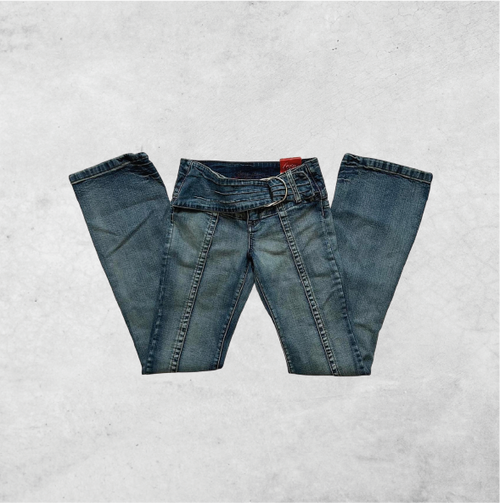
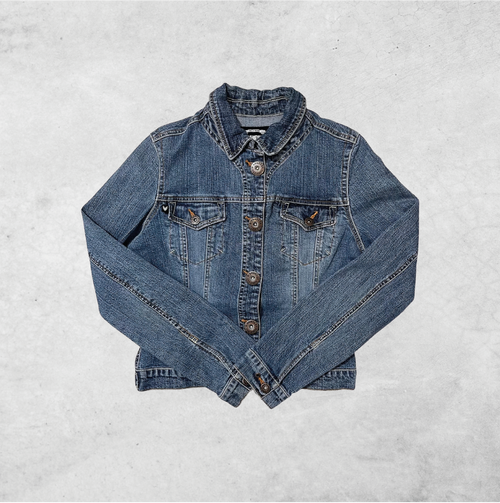
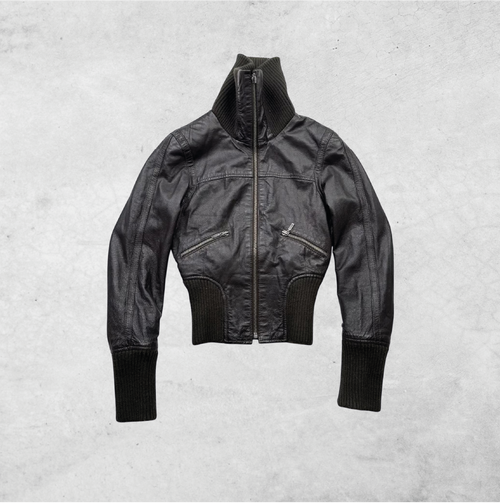
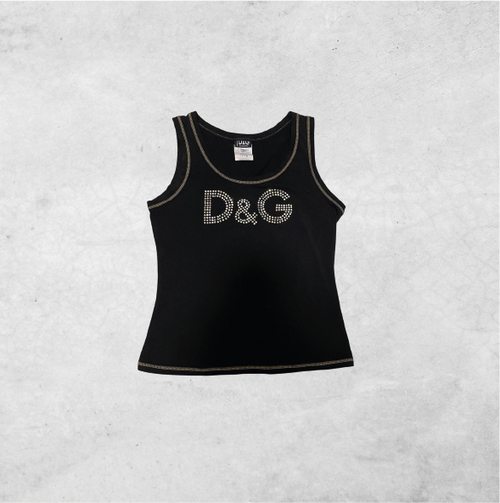
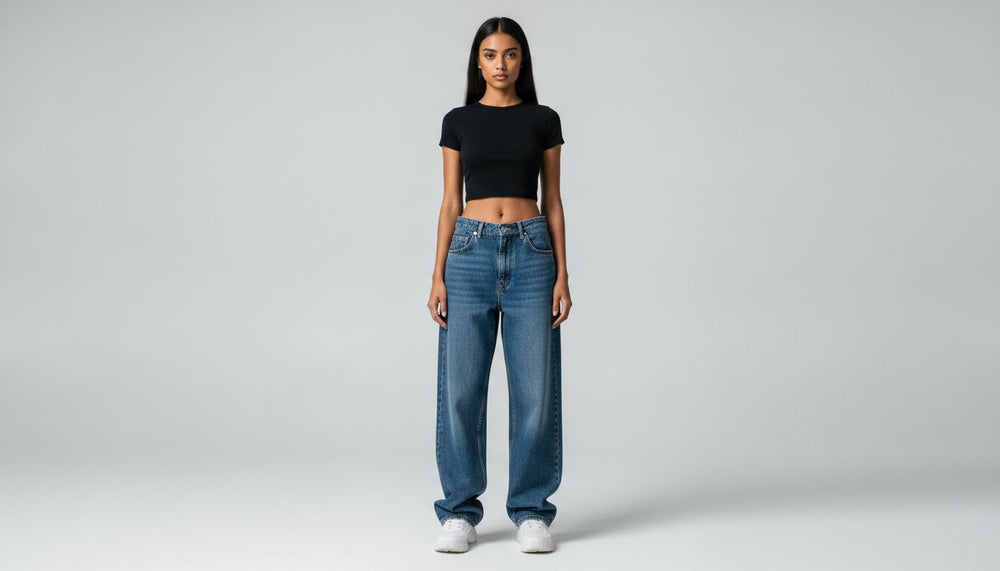
What if the most rebellious act in fashion isn't following a trend, but reclaiming a decade? With the fashion industry responsible for 10% of global carbon emissions, choosing authentic baggy jeans 2000s styles is more than a nostalgic whim; it's a strategy for a planet-positive future. We understand the struggle of fast fashion denim that shreds after three washes or the headache of unpredictable vintage sizing. It's exhausting to hunt for quality only to end up looking outdated rather than intentional.
You deserve a wardrobe that reflects your values and your vibe. This guide is your roadmap to identifying, sourcing, and styling the iconic silhouettes of the Y2K era without compromising on ethics. We'll explore how to master the "big pants, small top" ratio and find structured, antique-wash denim that stands the test of time. From navigating the low-rise revival to selecting tailored wide-leg cuts that offer a clean, modern line, you're about to discover how to build a unique style that rejects the disposable culture of mainstream retail giants.
Key Takeaways
- Learn to spot authentic baggy jeans 2000s by identifying heavy-weight 100% cotton denim and the era's signature low-slung pocket placement.
- Discover why choosing vintage denim is a rebellious act against fast fashion, offering superior durability that lasts for over twenty years.
- Master the "Big Pants, Small Top" styling ratio to ensure your silhouette looks balanced, intentional, and modern.
- Explore how to pair your wide-leg denim with the right footwear, from chunky sneakers to pointed-toe boots, for a complete look.
- Gain insight into a curated selection process that prioritizes quality and ethics, delivering refreshed pieces ready for a new life.
the return of the silhouette: why 2000s baggy jeans matter in 2026
The era of the restrictive, ankle-choking skinny jean has finally collapsed. It's a liberation. We are witnessing a fundamental shift toward the oversized, a "David vs Goliath" rebellion against the narrow, homogenized standards that dominated the last decade. Choosing baggy jeans 2000s styles isn't just a nostalgic trend; it's a strategic response to the physical and ethical restrictions of the fast fashion machine. This movement is deeply rooted in the evolution of 2000s fashion trends, where the transition from 90s grunge to a more polished, hip-hop-influenced streetwear defined a generation.
The 2026 fashion landscape prioritizes comfort and gender-neutral silhouettes above all else. We've moved past the idea that clothing must be tight to be stylish. Today, the volume is the point. From the stage presence of pop-punk icons to the effortless cool of early millennium rap legends, these silhouettes represent a time when clothes were built for movement and presence. Reclaiming these pieces in 2026 allows for a level of self-expression that feels both grounded and revolutionary.
from subculture to mainstream
The oversized denim movement didn't start in a boardroom. It was born in the dust of skate parks and the neon haze of rave scenes. While 90s grunge favored a certain shapelessness, the baggy jeans 2000s era introduced a more intentional, structured streetwear aesthetic. It was about the "stack" at the ankle and the way the fabric draped over a chunky sneaker. Modern wearers are reclaiming these styles as a form of armor. It's a way to take up space in a world that often asks us to shrink. This isn't a costume; it's a revival of a subculture that valued authenticity over mass-market appeal.
the sustainability of 'oversized'
There is a hidden environmental strategy in the oversized trend. When we prioritize vintage denim, we are actively preventing high-quality materials from ending up in landfills, where 60% of all clothing items are discarded within a year of production. Baggy jeans are the cornerstone of a slow fashion wardrobe. Unlike modern stretch denim that relies on polyester blends and wears out after a few dozen washes, authentic vintage denim is 100% cotton. It's built to last for decades. By rejecting the disposable nature of modern trends, we choose a path that values craftsmanship, longevity, and the manual care required to keep these pieces in circulation for another twenty years.
identifying authentic 2000s baggy jeans: what to look for
Don't be fooled by the "Y2K-inspired" racks at the mall. Those pieces are often lightweight, polyester-heavy imitations designed to fall apart after a few cycles. Authentic baggy jeans 2000s are heavy. We're talking 100% cotton denim that feels like a shield. This weight is essential because it allows the fabric to drape with gravity, creating that iconic stack at the ankle that modern stretch-denim simply cannot replicate. Real vintage denim doesn't just sit on your body; it holds a shape that evolves with every wear.
Pocket placement is your next tell. During this era, designers moved back pockets lower on the glute to emphasize the relaxed, low-slung aesthetic. This specific geometry is a hallmark of the period. According to the Fashion History Timeline's analysis of 2000s trends, this shift was deeply tied to the rise of hip-hop and skate subcultures that prioritized a liberated, non-conforming fit. If the pockets are high and tight, it's likely a modern "mom jean" masquerading as vintage. For those seeking the real deal, exploring a curated collection of y2k jeans is the best way to ensure your wardrobe remains rooted in authenticity.
Look closely at the wash. Authentic 2000s denim often features "sandblasting" or manual hand-sanding on the thighs and knees. It looks organic. Modern fast fashion uses lasers to burn patterns into the fabric, which results in a flat, digital-looking fade. Real vintage has depth. You can see the individual threads and the natural wear patterns that only time and manual labor can produce.
the hardware and the hem
Flip the jeans inside out. Check for heavy-duty YKK zippers and reinforced copper rivets. These aren't just details; they're evidence of a time when clothes were built to survive a skate session. Don't be afraid of a frayed hem. In the world of vintage, the "heel drag" is a badge of honor. It shows the jeans were actually worn long and baggy, just as intended. Look for utility details like carpenter loops and extra side pockets, which were staples of the streetwear rebellion against traditional tailoring.
reading the tags like a pro
The care label is your secret weapon. Many heritage brands from this era used "paper" waist tags that crinkle when touched. If you find a "Made in USA" or "Made in Mexico" tag, you've likely found a pair with superior stitch density. Learn to decipher date codes. Often, a small four-digit number on the back of the care tag indicates the month and year of production. Finally, understand the terminology. A "relaxed fit" might just be slightly loose, but a true "baggy" cut will have a significantly wider leg opening, often exceeding 10 inches across.
vintage vs. fast fashion: why thrifted denim wins the durability test
Small-batch vintage is the ultimate underdog. While mainstream giants churn out millions of identical, low-quality garments, authentic baggy jeans 2000s remain a testament to a time when mass production hadn't yet completely sacrificed integrity. These pieces aren't just clothes. They're survivors. Most modern jeans are designed with a planned obsolescence that ensures they'll be in a landfill within eighteen months. Vintage denim is built for the long haul. It's common to find pairs from the early millennium that have survived two decades of wear and still look better than anything on a fast-fashion rack today.
The environmental stakes are high. Producing a single new pair of jeans requires a staggering amount of resources. According to the Environmental Center's guide to sustainable thrifting, it takes approximately 1,800 gallons of water to grow enough cotton for just one pair of new denim trousers. When you choose vintage, you're effectively "saving" that water and preventing the chemical runoff associated with modern dyeing processes. It's a direct strike against the industrial machine.
the problem with modern stretch denim
Modern retail giants love elastane. It's cheap. It makes thin fabric feel "soft" on the first try. But elastane is the enemy of durability. These synthetic fibers break down quickly, leading to the dreaded "sag" where your jeans lose their shape after just a few hours of wear. Authentic 100% cotton denim from the 2000s doesn't have this problem. It might feel stiff at first, but it molds to your body over time. It creates a custom fit that synthetic blends can't mimic. This "break-in" period is a rite of passage that results in a silhouette that is uniquely yours.
cost per wear: the true value
Don't let the initial price tag of curated vintage fool you. A $50 pair of high-quality vintage jeans is infinitely cheaper than buying three $20 pairs of fast-fashion "crud" that fall apart in the wash. This is the true meaning of value. Authentic pieces hold their worth. If you decide to change your style, the resale value of baggy jeans 2000s remains high because the demand for quality is permanent.
- durability: Authentic denim lasts for decades, not months.
- resale: The secondary market for vintage denim is booming, making your purchase a liquid asset.
- fit: A broken-in pair offers a custom silhouette that mass production can't replicate.
To understand how these baggy styles fit into the broader trend cycle, check out our deep dive into 2000s low rise jeans: the comeback we needed. Investing in vintage is a strategy for a smarter, more resilient wardrobe. It's about buying better, not more.

how to style baggy jeans 2000s without looking like a costume
Styling baggy jeans 2000s requires a strategic eye for proportions. It's about intentionality. If you go big on both top and bottom, you risk looking like you're wearing your older brother's hand-me-downs. We want a look that feels curated and conscious. The golden rule is the "Big Pants, Small Top" ratio. This creates a visual anchor that allows the volume of the jeans to take center stage without overwhelming your frame. It's a rebellion against the idea that you have to choose between comfort and a defined shape.
the 'big-small' ratio
Contrast is the heartbeat of this style. Pairing your wide-leg denim with vintage tops online provides the necessary tension to make the outfit work. Think baby tees that hit just above the hip or ribbed tanks that sit close to the skin. If your top is longer, use a French tuck or a strategic crop to define your waistline. This isn't just about aesthetics; it's a way to reclaim your silhouette from the mass-produced shapelessness of modern fast fashion.
footwear and hemlines
Let's talk about the "stack." Authentic 2000s denim often pools at the ankle, a look that requires the right foundation. Chunky "dad" sneakers are the ultimate companion for this. They provide the height and bulk needed to balance the heavy denim hem. For a sharper, "modern rebel" office vibe, swap the sneakers for pointed-toe boots and add a structured vintage blazer. This mix of high-low styling proves that baggy jeans can be sophisticated when handled with purpose.
styling for different body types
Fit is personal. If you find the waist is too loose but the leg is perfect, use a shoelace belt. It's a classic skater trick that prevents fabric from bunching under a traditional leather belt. Torso length should dictate your rise choice. If you have a shorter torso, mid-rise options offer more balance, while those with longer torsos can lean into the iconic low-rise look. Maintain visibility of your shoes and waistline to ensure your frame remains defined despite the voluminous denim.
Ready to start building your look? Explore our latest drop of hand-picked y2k jeans and join the movement toward a more sustainable, expressive wardrobe.
finding your perfect fit at thrifted apart: hand-picked and refreshed
Finding the right pair of baggy jeans 2000s shouldn't feel like a gamble. We see the frustration. You spend hours scrolling through blurry photos on massive, faceless marketplaces only to receive a pair that fits nothing like the description. At thrifted apart, we've built a different system. We operate as a conscious alternative to the industry giants that prioritize volume over value. Our process is transparent, manual, and deeply personal. We don't just sell clothes. We curate a movement.
Every pair of denim in our collection must pass our "rebellion" standard. This means we look for structural integrity, authentic fabric weight, and that specific early-millennium character that mass production can't replicate. Once a pair is selected, it undergoes a rigorous cleaning ritual. We refresh every garment with care, ensuring it arrives at your door ready for its new life. We also provide precise, manual measurements for every item. Since vintage sizing is notoriously inconsistent, we measure the waist, rise, and leg opening ourselves. You get the fit you expect the first time.
hand-picked, never random
There is a massive difference between "bin diving" and our strategic curation. When you browse our y2k jeans for sale, you are looking at the results of a careful search for unique washes and rare 2000s cuts. We are committed to saving high-quality fabrics from being wasted in landfills. By identifying these "David" pieces in a world of "Goliath" fast fashion, we ensure that craftsmanship wins over disposable trends. Our selection focuses on the details that matter, from the perfect antique wash to the heavy-duty hardware that defines the era.
your sustainable style journey
Choosing vintage is a vote for a planet-positive future. When your thrifted apart package arrives, it's the start of a long-term relationship. Authentic denim is an investment in durability. To make your jeans last another twenty years, we recommend washing them inside out in cold water and skipping the dryer whenever possible. This preserves the fibers and keeps the "stack" at the ankle looking intentional. You are part of a community that values quality, ethics, and the bravery to be unconventional.
The shift toward slow fashion starts with a single choice. It's time to reject the restrictive, disposable cycle of the mainstream industry and embrace a wardrobe that has a story to tell. Join the rebellion-shop our hand-picked Y2k jeans collection now and discover the power of a curated, conscious silhouette.
join the style rebellion
Reclaiming your wardrobe starts with a single, conscious choice. You've learned how to spot the heavy-weight denim and unique pocket placements that define authentic baggy jeans 2000s, and you've mastered the proportions needed to keep the look modern. By prioritizing vintage durability over disposable fast-fashion imitations, you are choosing a path that values both personal expression and the health of our planet.
We are here to guide your transition into a slower, more intentional way of dressing. Every piece in our collection is hand-picked and meticulously cleaned, offering an eco-friendly alternative to the industry giants. With worldwide shipping available on these unique vintage finds, your next favorite pair is within reach. It's time to stop settling for clothes that fall apart and start building a legacy. Your journey toward a more resilient and authentic style starts today.
reclaim your style: shop curated y2k baggy jeans
Frequently Asked Questions
Are baggy jeans from the 2000s still in style in 2026?
Yes, they are a major staple in 2026. The trend has evolved from the shapeless styles of previous years toward more tailored waists and structured pleating. Reclaiming baggy jeans 2000s is a way to embrace volume while maintaining a modern, intentional silhouette. It's a movement that prioritizes comfort and gender-neutral lines over the restrictive standards of the last decade.
How do I know if vintage baggy jeans will fit me?
You can't rely on the number on the tag. Vintage sizing varies wildly between brands and decades due to changing manufacturing standards. Always look for manual measurements of the waist, rise, and inseam to ensure your baggy jeans 2000s fit perfectly the first time. We measure every pair ourselves because we know that a precise fit is the difference between a great outfit and a costume.
What is the difference between 90s and 2000s baggy jeans?
It's all about the structure and intent. 90s styles were often shapeless and grunge-influenced, focusing on a general oversized feel. The 2000s versions introduced a more defined streetwear aesthetic. These pieces typically feature lower pocket placements and a specific "stack" at the ankle where the fabric meets your shoes. This era was about taking up space with a polished, rebellious edge.
Can I wear baggy jeans if I am short or petite?
Absolutely, you just need to balance your proportions. The "Big Pants, Small Top" rule is your best friend here. Pairing wide-leg denim with a fitted baby tee or tucked-in tank prevents you from being swallowed by fabric. Opt for chunky footwear to add height and manage the extra length at the hem without needing to reach for the scissors.
Why should I buy thrifted baggy jeans instead of new ones from a mall?
It's a strategic move for the planet and your wardrobe. New denim production consumes 1,800 gallons of water per pair and relies on chemical-heavy dyeing processes. Buying vintage saves these resources and gives you 100% cotton quality. Most mall jeans are polyester blends designed to fail, but authentic vintage is built to survive for decades of wear.
How do I clean vintage denim without ruining the wash?
Less is more when it comes to maintaining vintage quality. Wash your denim inside out in cold water only when absolutely necessary to prevent the indigo from bleeding. Skip the dryer entirely. Air drying preserves the authentic antique wash and prevents the fibers from breaking down. This manual care ensures your jeans stay structurally sound and visually striking for years.
What shoes look best with 2000s baggy jeans?
Volume needs volume to look balanced. Chunky "dad" sneakers are the classic choice for a relaxed, everyday look that handles the heavy denim hem. If you want something sharper or more elevated, pointed-toe boots provide a clean line that cuts through the fabric. The goal is to choose a shoe that doesn't get lost under the wide leg opening.
Is 100% cotton denim better than stretch denim?
100% cotton is the superior choice for both durability and the environment. It doesn't contain elastane, which is a synthetic fiber that loses its elasticity over time and makes recycling nearly impossible. Pure denim might feel stiff at first, but it eventually molds to your frame. This creates a custom fit that synthetic stretch blends can't mimic.