


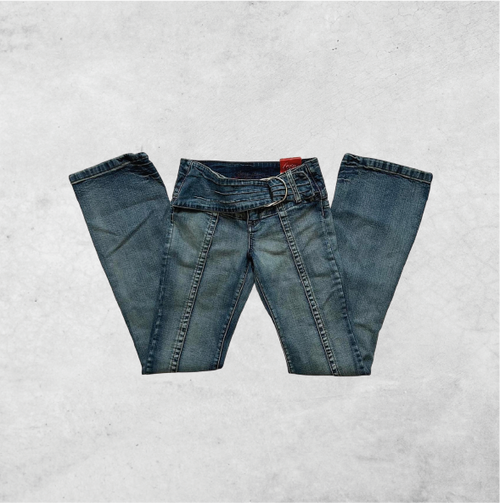
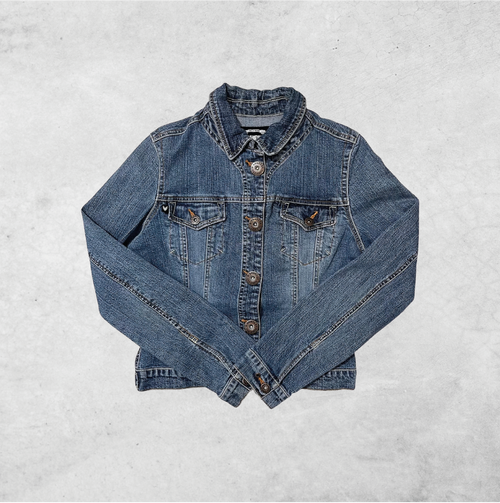
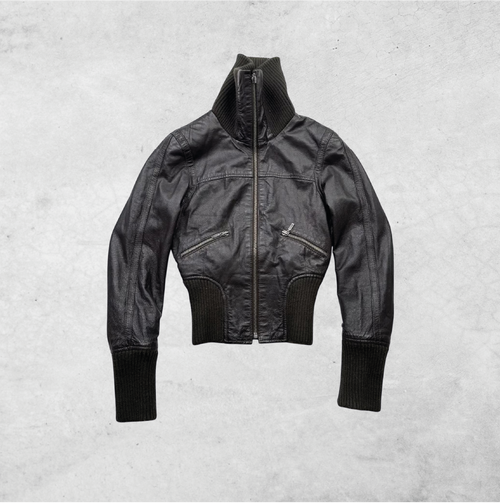
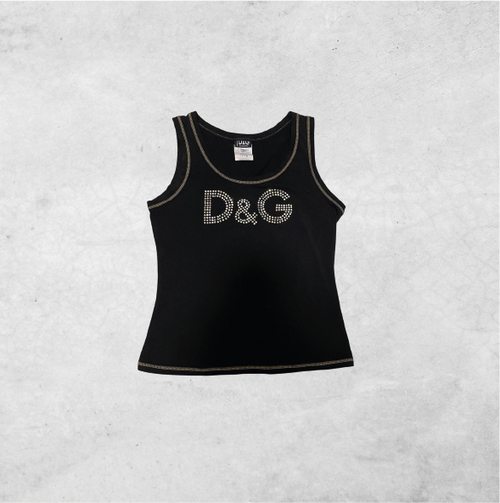
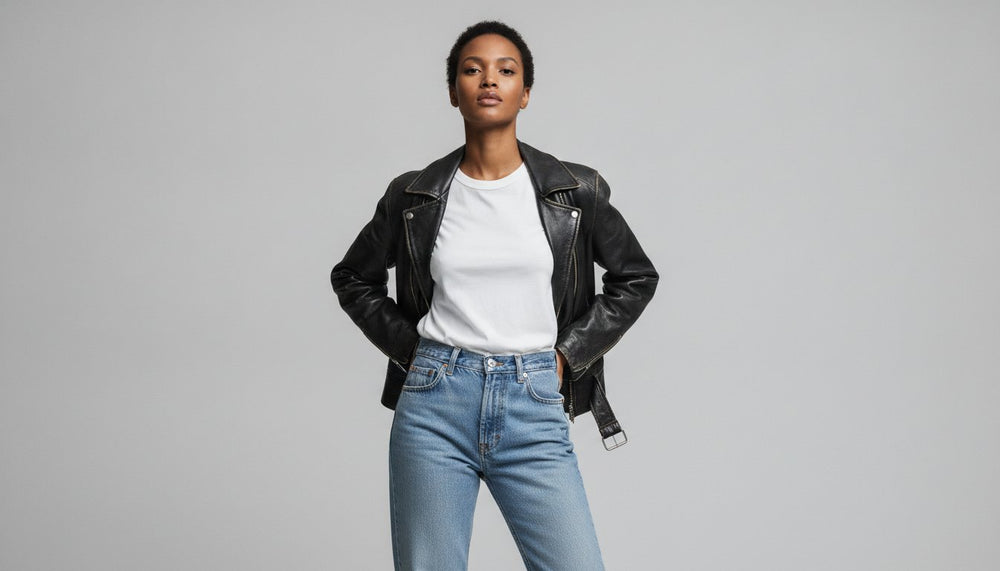
The fast fashion machine wants you to believe that denim is disposable, a cheap thrill that loses its soul and its shape before the season even ends. It's a cycle designed to keep you consuming. Your wardrobe deserves better than garments that fail after three washes. You've likely felt the sting of environmental guilt or the sheer confusion of trying to fit into modern replicas that just don't hang right. We agree that fashion should be a statement of intent, not a fleeting trend.
This guide is your manifesto for finding and wearing authentic vintage mom jeans that defy the throwaway culture of the 2020s. You'll learn how to identify the superior quality of pre-1980s construction, navigate the shift from modern to vintage sizing, and style these pieces for a fit that actually lasts a lifetime. We are diving deep into the construction secrets of the past. We will show you how to curate a look that is both a unique piece of history and a bold act of style rebellion. It's time to stop browsing and start joining the movement toward a more conscious, durable way of dressing.
Key Takeaways
- Understand why choosing pre-loved denim is a powerful act of defiance against the environmental waste produced by the fast fashion industry.
- Learn to distinguish between 80s and 90s silhouettes to find the perfect high-waisted fit for your body type.
- Master the quality audit techniques needed to spot authentic vintage mom jeans by analyzing fabric weight and era-specific tags.
- Explore how to style classic light and dark washes with a vintage leather jacket to create a timeless, rebellious aesthetic.
why authentic vintage mom jeans are an act of defiance
Denim is more than just fabric. It is a language of resistance. The classic silhouette of vintage mom jeans is defined by a high waist that actually sits at the natural waistline, a relaxed thigh that offers room to breathe, and a sharp, tapered ankle. This isn't just a "fit" in the modern sense. It is a structural blueprint that refuses to conform to the flimsy, hyper-sexualized standards of the fast fashion industry. When you choose an authentic pair, you aren't just buying clothes. You are opting out of a system that prioritizes speed over substance.
The environmental cost of a single pair of new jeans is staggering. It takes thousands of liters of water and a cocktail of harsh chemicals to produce that "distressed" look you see on high street shelves. Thrifting is the antidote. By reclaiming existing garments, we cut the demand for new production and keep high-quality textiles out of landfills. It is a strategic choice. It is a way to build a wardrobe that has a soul instead of a carbon footprint. 100% cotton is the gold standard here. Unlike modern blends, pure cotton denim has a memory. It doesn't sag or surrender after a long day; it molds to your body over years, becoming a second skin that only gets better with age.
the problem with 'mom-style' fast fashion
Mainstream giants love to sell "mom-style" clones, but these are often denim-flavored leggings. They are packed with elastane and synthetic stretch. While they might feel comfortable for an hour, they lose their shape by lunchtime. They represent a culture of disposability. These mass-produced items often hide significant waste in their manufacturing processes, using heavy bleaching to mimic the natural wear of decades. Choosing sustainable second hand fashion is the only way to get the true, rigid structure that defines this iconic look. It is the difference between a costume and a uniform.
denim as a record of history
Every pair of vintage mom jeans tells a story that began in the 80s and 90s. To understand why these pieces matter, one must look at the broader history of jeans and how they evolved from rugged workwear into a symbol of youthful rebellion. A hand-picked piece from that era carries more character than any factory-distressed garment ever could. You can feel the weight of the history in the weave. At thrifted apart, we act as your curators in this style rebellion. We find the pieces that have survived the decades so you can wear a piece of history that is ready for the future. It is about quality, ethics, and the pride of being unconventional.
decoding the silhouette: 80s high-rise vs. 90s tapered fits
Not all vintage mom jeans are created equal. To the untrained eye, a high waist is just a high waist. But if you're serious about the style rebellion, you need to understand that a pair from 1984 fits nothing like a pair from 1994. The evolution of denim moved from the rigid, utilitarian structures of the early 80s toward the softer, more expressive washes of the grunge era. Identifying these nuances is the first step in finding a pair that feels like it was made for you. It's about recognizing that the garment in your hands is a strategic piece of history, not a mass-produced clone.
80s mom jeans: the original high-waist
The 80s were about height. We call it the "long rise." In this decade, designers pushed the waistband as high as it could go, often reaching 12 or 13 inches. This creates a powerful, elongated silhouette that demands attention. The construction was stiff. There was zero stretch. You'll find iconic acid washes and deep indigos that have stood the test of time. To make these work today, you have to look past the tag size. A vintage size 12 from the 80s often measures like a modern size 6 or 8. It's not about the number; it's about the actual measurement of the waist and the depth of the rise. These pieces require a break-in period, but the result is a custom-molded fit that no modern factory can replicate.
90s mom jeans: the relaxed rebellion
By the 90s, the mood shifted. The waist stayed high, but the hips and thighs opened up to accommodate a more relaxed, anti-establishment attitude. This is the era of the stonewashed finish and the perfectly faded light blue. These vintage mom jeans are often more versatile for a modern wardrobe because the denim has usually been broken in by decades of wear. They offer a drape that modern replicas can't touch. They pair perfectly with oversized vintage tops online to create that effortless, grounded look. The 90s fit is less about sharp lines and more about a comfortable, tapered flow that suits a variety of body types.
As we moved into the early 2000s, the mom fit began to merge with Y2K aesthetics, leading to slightly wider legs and experimental pocket placements before the industry pivoted to low-rise trends. If you want a look that truly defies the fast fashion cycle, stick to the 80s and 90s staples. They provide the structure that modern clothes lack. Once you've secured your perfect denim, you might find that you need a layer that matches its grit. A vintage leather jacket is the natural companion to high-waisted denim, completing a silhouette that feels both historical and futuristic. Finding your fit is a strategy, not a guessing game.
the quality audit: how to tell real vintage from fast fashion clones
The high street is flooded with "mom-style" denim that feels like paper and wears out in months. These are hollow imitations. Authentic vintage mom jeans have a physical presence that you can feel the moment you pick them up. They are heavy, structured, and uncompromising. When you hold a pair of genuine 80s or 90s denim, you're feeling the weight of the cultural history of an American icon that transitioned from the factory floor to the front lines of style rebellion. To find a pair that lasts a lifetime, you have to trust your hands more than the marketing.
A real audit starts with the small details. Look for heavy brass zippers, reinforced rivets, and double-stitched seams that don't pull apart when tension is applied. Modern clones use cheap, lightweight alloys and single-thread patterns that are designed to fail. True vintage often features "Made in" tags from countries like the USA, UK, or Italy, reflecting a time when garment construction was a craft rather than a race to the bottom.
the 100% cotton rule
If the care tag lists more than 2% elastane or lycra, put it back. It isn't authentic. The defining characteristic of vintage mom jeans is their 100% cotton composition. This isn't just about tradition; it's about how the fabric behaves. Modern stretch denim breaks down as the elastic fibers snap over time, leading to saggy knees and a lost silhouette. Heavy-weight vintage cotton does the opposite. It breaks in, not out. It molds to your specific proportions over years of wear, creating a custom fit that is unique to your body. It is an investment in durability that synthetic blends simply cannot match.
spotting the 'fast fashion' imposters
Fast fashion brands use chemicals and lasers to create fake "whiskers" and artificial fading. These patterns look uniform, sterile, and repetitive. Natural wear patterns are chaotic and beautiful. They tell the story of the previous owner's life. Look for genuine fraying at the hems and a soft, lived-in patina that only decades of washing can produce. Choosing high quality second hand clothing is a strategic move against planned obsolescence. It ensures you aren't just buying a look, but a garment with structural integrity.
At thrifted apart, we take the guesswork out of the audit. Every pair we curate is hand-picked for its quality and era-specific details. We don't just find these pieces; we refresh them. Each item is thoroughly cleaned and inspected to ensure it meets our standards for the style rebellion. We believe that a piece of history should arrive at your door ready to be worn for the next thirty years. It's our way of providing an authentic alternative to the disposable culture of the modern industry.

standout denim icons: finding your unique pair
Every pair of vintage mom jeans carries a distinct frequency. Finding your unique pair is not about following a trend report; it is about discovering the wash and silhouette that resonates with your personal rebellion. While mass-market retailers push uniform "distressed" looks, the vintage world offers a spectrum of authentic character. The light wash is the quintessential 90s summer staple, offering a sun-faded, effortless energy that pairs perfectly with a relaxed mindset. For those who prefer a more aggressive, urban aesthetic, black and charcoal denim provides a grit that modern dyes cannot replicate. You might even stumble upon a rare 80s paperbag waist, a structural variation that creates a dramatic, cinched silhouette for those who want to stand out from the crowd.
We know that vintage sizing is a minefield. The industry has changed its definitions of "size" too many times to count. This is why we move beyond the tag. We provide precise measurements for every item in our collection, from the exact waist and rise of our denim to the pit-to-pit and length of our tops. It is a strategic approach to ensure that when your piece arrives, it fits your reality, not an outdated manufacturing standard. Once you find that perfect fit, you are ready to complete the look with a rebellious vintage leather jacket that adds the final layer of armor to your outfit.
styling your vintage mom jeans
The secret to the mom jean silhouette is the tuck. By tucking in your shirt, you emphasize the high-waisted architecture that makes these jeans iconic. It creates a clean line that celebrates the natural waist. For a look that balances comfort with edge, try pairing your vintage mom jeans with vintage sweatshirts online. This combination of heavy-weight fleece and rigid denim is the ultimate uniform for the modern rebel. You can easily transition this look from a casual day of movement to a night look by swapping sneakers for a structured boot and adding a belt to highlight the hardware.
the importance of hand-picked curation
Curation is the antidote to the overwhelming chaos of massive thrift warehouses. We spend the hours digging through thousands of discarded garments so you don't have to. Every piece we select has a story behind its seams. We value the history, the fading, and the structural integrity that has allowed these garments to survive for decades. Curation is a strategy. It is about selecting the best of the best to ensure our community has access to quality that defies fast fashion. To keep your denim in the rebellion for another 30 years, wash them sparingly and inside out in cold water. Air drying is essential. It preserves the cotton fibers and maintains the unique patina that makes your pair one of a kind.
beyond denim: why your next move is a vintage leather jacket
Denim is the soul of the style rebellion, but leather is its armor. If you've already secured your perfect pair of vintage mom jeans, you've established a foundation of structural integrity and history. But a complete wardrobe of defiance requires a layer that rivals the grit of 100% cotton. Leather is the only fabric that carries the same weight of cultural resistance. It is a material that protects, endures, and improves with every scratch and scuff. When you transition from a denim-only look to a leather-and-denim pairing, you are moving from a casual statement to a full-scale style evolution.
The synergy between high-waisted denim and a structured jacket is undeniable. The cinched waist of vintage mom jeans creates a clean, architectural line that allows the weight of a leather jacket to hang with purpose. It is a silhouette that defines the rebel aesthetic across decades. Unlike the flimsy, chemically treated hides found in modern fast fashion, vintage leather possesses a density and a natural patina that takes years to develop. It is a strategic investment in a garment that will likely outlive the person who wears it. It's about building a uniform that feels both historical and futuristic.
standout leather pieces for your collection
- kenneth cole reaction black leather jacket: A modern urban staple that brings a sharp, minimalist edge to your daily rotation (EUR 32.45).
- nine west red leather blazer: Perfect for those who want to merge elegant tailoring with a retro rebellion (EUR 49.45).
- michael kors brown genuine leather jacket: A piece that captures the essence of classic 2000s luxury and durability (EUR 80.95).
- vintage black faux leather jacket with yellow detail: A choice for those seeking a sporty, high-energy y2k edge (EUR 71.95).
reclaim your style today
Choosing vintage leather is a direct strike against the mass-produced, environmentally damaging hides of the modern industry. New leather production is resource-intensive and often lacks the craftsmanship of previous decades. By reclaiming a vintage piece, you anchor your sustainable wardrobe in quality that has already proven its worth. It is about choosing substance over speed. You aren't just buying a jacket; you're joining a movement that values the manual care and personal attention given to every hand-picked item in our curation. It's time to finish the look. You can shop our curated vintage leather jacket collection here and find the piece that speaks to your unique rebellion.
join the rebellion of lasting style
Choosing vintage mom jeans is a deliberate rejection of the disposable cycle that fast fashion demands. You now have the strategy to identify the rigid 100% cotton construction that defines an era and the knowledge to decode silhouettes that actually celebrate your form. Every piece we offer is hand-picked and cleaned to ensure it arrives ready for its next decade of wear. We provide a sustainable alternative to the environmental waste of the modern industry; we ship worldwide because the movement for quality and ethics has no borders. It is about building a wardrobe with a soul.
Your journey toward a conscious wardrobe doesn't end with denim. To truly anchor your look in the history of resistance, you need the weight and protection of authentic leather. It is the natural evolution of a rebel wardrobe that values substance over speed. Take the final step in your style evolution by pairing your high-waisted denim with a piece that carries its own history of defiance.
reclaim your style: shop curated vintage leather jackets
The fast fashion giants won't change until we do. Wear your history with pride and keep the rebellion alive.
denim rebellion: frequently asked questions
how can i tell if mom jeans are truly vintage?
You can identify authentic pieces by checking the care label for a 100% cotton composition and looking for manufacturing origins like the USA, UK, or Italy. True vintage mom jeans will feature heavy brass zippers and reinforced rivets that modern fast fashion clones simply don't use. If the tag mentions any percentage of spandex or elastane, it is likely a modern reproduction rather than a piece of history.
are 100% cotton mom jeans better than stretch denim?
Yes, 100% cotton is the superior choice because it provides structural integrity and a custom fit that synthetic blends can't replicate. Stretch denim is designed for planned obsolescence; the elastic fibers snap over time, leading to saggy knees and a lost silhouette. Pure cotton denim breaks in rather than out, molding to your unique proportions and becoming more comfortable with every year of wear.
how should vintage mom jeans fit around the waist?
They should sit snugly at your natural waistline, which is typically the narrowest part of your torso above the belly button. Because vintage mom jeans lack synthetic stretch, the waist measurement is the most critical factor for a comfortable fit. It should feel secure but allow you to move, creating that iconic cinched silhouette that defines the era's rebellious aesthetic.
what is the difference between 80s and 90s mom jeans?
80s pairs are characterized by an ultra-high "long rise" and very stiff, often acid-washed construction that creates a sharp architectural look. By the 90s, the silhouette shifted toward a slightly more relaxed hip and thigh, often featuring stonewashed or light blue finishes. The 80s were about height and rigid structure, while the 90s embraced the grunge movement with a more fluid, lived-in feel.
can i wash my vintage denim in the machine?
You can use a washing machine, but you must do so sparingly and always use cold water with the jeans turned inside out. Never put your denim in the dryer. High heat destroys the cotton fibers and ruins the natural patina that has taken decades to develop. Air drying is the only way to preserve the soul of the garment and ensure it lasts for another thirty years.
why are vintage mom jeans so much stiffer than modern ones?
The stiffness comes from the heavy-weight denim and the traditional shuttle-loom weaving process used before the industry pivoted to cheap, thin fabrics. This rigidity is actually a mark of high quality. It provides the "armor" effect that holds its shape regardless of how many times you wear it, offering a level of durability that modern mass-produced jeans simply cannot achieve.
how do i style mom jeans without looking 'frumpy'?
The secret is to balance the relaxed volume of the legs by tucking in your top to highlight the high-waisted silhouette. Adding a structured belt and pairing the jeans with a fitted bodysuit or a cropped vintage sweatshirt creates a sharp, intentional line. It's about contrast. When you define the waist, the relaxed fit of the thighs looks like a bold style choice rather than an accident.
is vintage leather more sustainable than denim?
Both are powerful tools in the style rebellion, but vintage leather is particularly sustainable because it reclaims a material with an incredibly high initial environmental cost. Leather is a byproduct of a resource-heavy industry, so keeping a high-quality vintage jacket out of a landfill is a strategic act of conservation. Reclaiming leather ensures that the craftsmanship of the past continues to serve a purpose without requiring new production.