

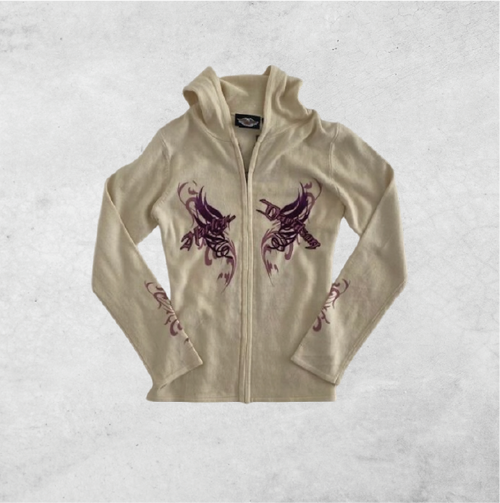

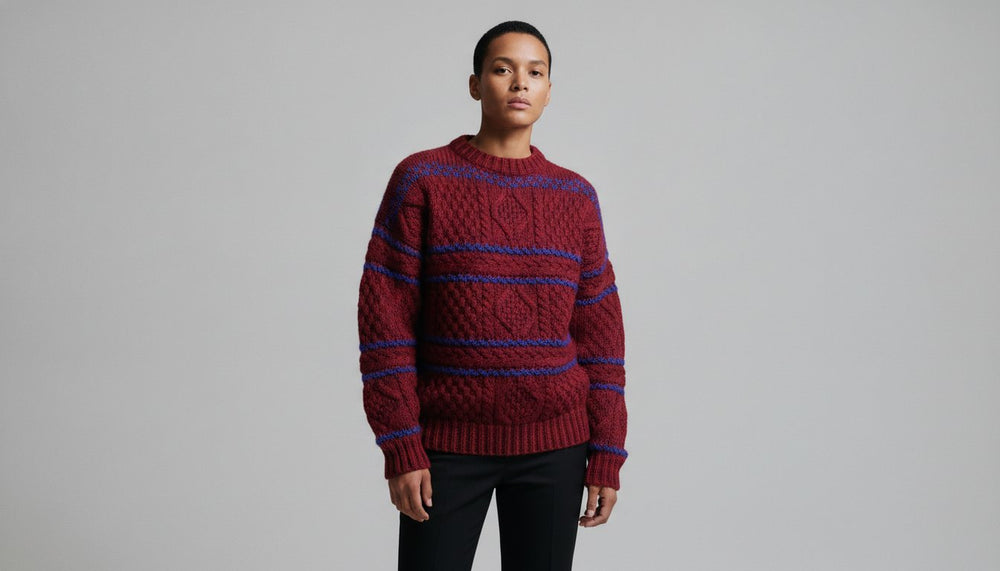
The modern fashion industry is betting on your willingness to settle for disposable warmth. Most high-street knits are engineered to fail, thinning out and pilling before the first frost even clears. It's a cycle that feeds the giants and leaves your wardrobe feeling empty. Choosing vintage knit sweaters isn't just a style choice; it's a quiet act of defiance against a system that prioritizes volume over value. You deserve a garment that carries a history and possesses the structural integrity to build a future.
You've likely felt the frustration of a "vintage" find arriving with hidden moth holes or a fit that doesn't match the vague online description. We get it. It's why we're obsessed with the details, from the weight of the wool to the precision of our hand-picked cleaning process. This guide is your roadmap to finding true quality. We'll show you how to identify premium fibers, understand the nuances of vintage sizing, and spot the red flags of fast-fashion mimics. By the end, you'll know exactly how to curate a sustainable collection of knits that are as resilient as they are rare.
Key Takeaways
- Identify the "Goliath" problem of fast-fashion and learn why choosing pre-loved knits is a strategic act of sustainable rebellion.
- Master the art of fiber identification to prioritize natural materials like wool and cashmere over itchy, disposable synthetics.
- Discover the "pit-to-pit" measurement rule to ensure your vintage knit sweaters fit perfectly without relying on unreliable tag sizes.
- Learn to spot hidden condition issues like moth holes and stains to ensure your investment lasts for years to come.
- Understand the rigorous curation and cleaning process that sets a professional vintage collection apart from the chaos of unvetted thrift bins.
Why Vintage Knit Sweaters are the Ultimate Style Rebellion
The giants of the garment industry don't want you to keep a sweater for a decade. They thrive on planned obsolescence. Modern mass-market knits are often loosely woven from short-staple fibers and cheap synthetic blends. This means they are literally designed to pill, stretch, and fall apart after just a few cycles in the wash. They want more. They want it fast. They want you to buy again. Choosing vintage knit sweaters is a tactical decision to opt out of this exploitative cycle. It is about reclaiming quality that was once standard but is now treated as a luxury. You aren't just buying clothes; you are joining a movement that values longevity over temporary trends.
When we talk about vintage, we are looking at garments that have already survived twenty years or more. This longevity isn't an accident. Understanding the historical evolution of knitting reveals a shift from artisanal durability to industrial speed. By hunting for pieces from the 80s, 90s, or early 2000s, you are securing a level of craftsmanship that modern retail simply cannot replicate at a fair price. These items were built to last through multiple owners. It's a way to own something truly unique while ensuring your money supports better materials, fair wages, and less environmental waste.
Durability vs. Disposable Fashion
The difference is in the details. Vintage pieces usually feature a much higher stitch density. This creates a tighter, more resilient fabric that holds its shape even after years of wear. This structural integrity is the foundation of sustainable second hand fashion. It's about the math of the "cost per wear." While a fast-fashion sweater might cost less upfront, its short lifespan makes it more expensive over time. By focusing on vintage knit sweaters, you are investing in a garment that won't end up in a landfill by next season. It's a smarter, more conscious way to build a wardrobe.
The Y2K and Retro Aesthetic
We are seeing a massive resurgence of the textures that defined the Y2K era. Think oversized pullovers, chunky cable knits, and bold, experimental patterns that modern replicas try to imitate but fail to capture. When searching for vintage tops online, it's easy to get distracted by "vintage-style" new clothes. However, the weight and drape of an authentic retro piece are unmistakable. These sweaters are the armor of the modern style rebellion, offering a grounded, community-focused alternative to the faceless trends of the high street. They represent a personality that is independent, forward-thinking, and deeply committed to personal style over mass-produced uniformity.
Decoding the Knit: Materials and Quality Indicators
The tag is your best defense against the "Goliath" of cheap production. When browsing for vintage knit sweaters, the composition label tells the real story of the garment's life and potential. It isn't just about the brand name; it's about the material strategy. A high-quality knit is an investment in a renewable resource that breathes, insulates, and lasts. Modern retailers often hide behind "wool-touch" descriptions, but the tag never lies. You want to see high percentages of natural fibers to ensure you're getting the durability you deserve.
Since you can't touch the fabric through a screen, you have to train your eyes to read high-resolution photos. Look for the "halo" effect on mohair or the distinct, tight "V" of a quality jersey stitch. Warning signs include excessive pilling under the arms, thinning at the elbows, or "shadowing," which often indicates a hidden stain. A reputable curator will show you these details upfront, prioritizing transparency over a quick sale. If you're ready to find a piece that passes our rigorous quality test, browsing a curated vintage collection is the most reliable way to shop.
Understanding Natural Fibers
Natural fibers are the backbone of the style rebellion. Wool and mohair dominated the chunky silhouettes of the 80s and 90s, providing a textural depth that modern poly-blends can't touch. If you're looking for luxury, authentic cashmere from decades past often features longer fibers than today's "affordable" versions. This means it's softer and less prone to pilling. For warmer months, lightweight cotton knits are essential for summer vintage styling. These pieces offer breathability that synthetics lack. Referencing tools like the Fashion History Timeline can help you understand how these materials defined the look of specific decades and why they've stood the test of time.
The Truth About Synthetic Blends
Synthetics aren't always the enemy, but you need to know when they serve a purpose. Acrylic became popular in the Y2K era for its ability to hold vibrant, neon dyes and create lightweight, stretchy fits. It's acceptable for specific aesthetics, but be aware of the warmth-to-weight ratio. Acrylic is lighter but doesn't trap heat like wool. To keep your rebellion eco-friendly, wash these blends in a microplastic-catching bag to prevent shedding into our water systems. Vintage knit sweaters with a small percentage of nylon can actually be more durable, as the synthetic fiber adds strength to the natural wool, preventing holes and stretching over time.
Finding Your Silhouette: Pullovers, Cardigans, and Vests
The giants of the industry want you in a uniform. They push a singular, seasonal silhouette that's designed to be replaced in six months. Owning vintage knit sweaters means opting for a shape that doesn't just follow a trend but creates a unique architectural presence. Whether it's the heavy drape of a chunky cable knit or the intricate storytelling of a fair isle pattern, these silhouettes are built with a purpose. They offer a grounded alternative to the flimsy, formless knits found on the high street. When you choose a specific vintage cut, you're selecting a piece of history that fits your personal rebellion.
The oversized pullover is a cornerstone of this movement. It shares a design DNA with the relaxed fits found in vintage sweatshirts online, prioritizing comfort without sacrificing a bold aesthetic. Beyond the pullover, the sweater vest has emerged as the unexpected hero of layered fashion. It's a strategic piece for those who value versatility. A ribbed vintage vest provides warmth without the bulk of sleeves, making it a perfect tool for transitional weather. These pieces aren't just clothes; they're tactical layers for a conscious wardrobe.
Styling the Oversized Look
Balance is everything when you're working with a bulky, heritage knit. A heavy vintage pullover creates a powerful upper-body silhouette that needs a grounded base. We recommend pairing these substantial pieces with authentic y2k jeans for sale to maintain that rebellious, effortless edge. If the sweater feels too long, use the "tuck and roll" method. Simply tuck the front hem into your waistband and let the rest drape naturally. This defines your waist while keeping the cozy, oversized energy intact. It's about creating a silhouette that feels intentional, not accidental.
The Versatile Cardigan
Cardigans offer a different kind of defiance. They moved from 90s grunge stages to the preppy, fitted aesthetics of the early 2000s. A button-down cardigan works perfectly as a lightweight jacket during the spring or fall. For a more aggressive Y2K look, search for cropped, fitted cardigans that hit just above the hip. These pair exceptionally well with the structured lines of vintage skirts online. Whether you leave it open for a relaxed flow or button it up for a sharp, curated look, the cardigan remains one of the most hardworking items in a sustainable collection. It's a versatile alternative to mass-produced outerwear.

The Art of the Online Hunt: Sizing and Condition
Trusting the size on a vintage tag is a gamble you'll likely lose. Sizing standards have mutated significantly over the last forty years, meaning a "Medium" from a 1990s catalog might fit like a modern "Extra Small" or a "Large" depending on the brand's original target demographic. When you're hunting for vintage knit sweaters, you have to ignore the label and look for the numbers that actually matter. This isn't just about vanity; it's about avoiding the waste of a return and ensuring your sustainable investment actually serves your wardrobe. We believe in total transparency because a movement built on quality can't afford to be vague.
The "Pit-to-Pit" rule is the only measurement that truly matters for knits. By measuring horizontally from one armpit seam to the other while the garment is lying flat, you get a definitive number that bypasses the chaos of vintage labeling. Beyond the chest, you must consider the total length and sleeve reach. A wool knit that has been improperly washed in its past life might have "shrunk up," resulting in a boxy, cropped fit that the tag won't mention. If you want a piece that has already been vetted for these discrepancies, check out our hand-picked vintage sweaters to see how we handle the sizing struggle for you.
Measuring for the Perfect Fit
Don't guess your body measurements. Instead, find the sweater in your current closet that fits exactly how you like. Lay it flat on a hard surface and record the pit-to-pit, the shoulder-to-hem length, and the sleeve length. This is your baseline. Keep these numbers in a note on your phone. When browsing vintage knit sweaters, compare these specs directly. Remember that ribbed knits offer more natural "give" and stretch than flat, jersey-style weaves. If you're shopping for a unisex look, a wider pit-to-pit measurement is your best friend for achieving that effortless, oversized silhouette without the sleeves becoming too long.
Condition and Quality Control
The "Goliaths" of the thrift industry often ship items straight from a dusty bale. This leads to the "storage smell" and hidden moth holes that ruin the excitement of a new find. At thrifted apart, we take a different path. We define "excellent vintage condition" as a garment that is structurally sound, free of major pilling, and professionally cleaned. Some minor wear can add character to a heritage piece, but a dealbreaker is any damage that compromises the knit's integrity, like unraveling cuffs or thinning elbows. We hand-pick every item to ensure it's ready for the rebellion, not just the laundry basket. Every piece we sell passes a rigorous inspection so you can shop with the confidence that your new favorite knit is built to last.
Shop the Rebellion: Curated Knits at thrifted apart
The giants of the fashion industry rely on your indifference. They hope you'll ignore the flimsy seams and the chemical smells of mass-produced acrylics. At thrifted apart, we choose a different path. Our philosophy is rooted in a simple, non-negotiable filter: the "would we wear it?" test. This means every one of our vintage knit sweaters is selected for its character, its structural integrity, and its ability to disrupt a boring wardrobe. We aren't interested in filling bins with anonymous fleece; we're interested in recovering the high-quality textures that the modern market has forgotten. It's curation with a conscience.
Transparency is our greatest weapon against the "Goliath" of the unvetted thrift industry. One of the biggest pains of shopping second-hand is the arrival of a garment that smells of a dusty warehouse or carries hidden stains. We solve this through our Refresh Process. Unlike major retailers who ship directly from unwashed bales, we hand-clean and treat every piece. Your sweater arrives ready for the street, not the laundry basket. We believe that affordability shouldn't come at the cost of your dignity or the planet's health. By choosing a pre-loved knit, you're securing a premium garment for a fraction of the price of a luxury replica.
Browse our current collection of over 40 unique vintage knit sweaters
Standout Pieces in Our Collection
Our inventory is a living map of the style rebellion. We specialize in the chunky, tactile knits of the Y2K era and the bold, geometric patterns that defined 90s alternative culture. You'll find everything from heavyweight wool pullovers to lightweight transitional cardigans, often at price points under $40. Because we prioritize quality over volume, our collection moves with a specific pulse. These aren't mass-produced items waiting in a warehouse; they are one-of-a-kind finds. When a piece is gone, it's truly gone, which keeps our community focused and our offerings fresh.
Join the Movement
Every purchase is a strategic move. When you shop with us, you aren't feeding a faceless corporate machine. You're supporting a small, independent boutique that values manual care and ethical strategy. We ship our hand-picked vintage knit sweaters worldwide, bringing sustainable defiance to your doorstep no matter where you live. It's about building a wardrobe that lasts for years, not weeks. It's about choosing the underdog. It's about finally owning clothes that are as brave and principled as you are.
Find your next favorite sweater here
Join the Style Rebellion Today
Choosing a new favorite layer shouldn't feel like a gamble with the planet or your wallet. By prioritizing natural fibers and mastering the pit-to-pit measurement rule, you've already taken the first steps toward a more resilient and sustainable wardrobe. You now have the knowledge to look past the vague labels of the high street and identify the heritage craftsmanship that defines true quality. It's about opting out of a broken system and investing in pieces that carry a history worth preserving. You aren't just buying a garment; you're choosing a better alternative.
At thrifted apart, we're here to be your guide in this transition. Every one of our vintage knit sweaters is hand-picked and professionally cleaned to ensure it arrives at your door ready to wear. We add unique, curated pieces to our inventory weekly and provide eco-friendly worldwide shipping to support your conscious style journey. Don't settle for the disposable standards of the industry giants when you can own something rare and remarkable.
Shop the Curated Knit Sweater Collection
Start building a wardrobe that reflects your values and your vision. Your next favorite knit is waiting.
frequently asked questions
are vintage knit sweaters itchy?
It depends on the fiber type. While some traditional sheep's wool can feel coarse against the skin, higher-quality fibers like merino, cashmere, or cotton blends are significantly softer. If you're particularly sensitive, we recommend layering a light tee underneath or choosing pieces with a higher cotton or mohair content. We prioritize pieces with a comfortable hand-feel to ensure your style rebellion is as cozy as it is bold.
how do i wash a vintage wool sweater without ruining it?
Hand washing in cold water with a gentle wool detergent is the safest way to maintain the integrity of vintage knit sweaters. Avoid the washing machine and never use a dryer, as heat will shrink the fibers instantly. Gently squeeze out excess water with a towel and lay the garment flat on a drying rack to preserve its original shape. This methodical care ensures your knit lasts for years.
why is vintage knitwear more sustainable than buying new?
Choosing vintage is a strategic act of rebellion against the environmental waste of modern mass production. It keeps existing high-quality materials out of landfills. It also reduces the demand for new, resource-heavy manufacturing. By opting for pre-loved knits, you're supporting a circular economy that values durability over the disposable culture of mainstream retail giants. It's a smarter, more conscious way to build a wardrobe.
what is the best way to store vintage knits to avoid moth holes?
Store your knits folded in airtight bins or breathable cotton bags with cedar blocks or lavender sachets. Never hang a vintage sweater. The weight of the knit will cause the shoulders to stretch and the silhouette to warp over time. Proper storage is your primary defense against moths and ensures your curated collection remains in excellent condition throughout the off-season. It's an essential habit for any serious collector.
how can i tell if a vintage sweater is authentic 90s or y2k?
Check the tag for manufacturing locations like the USA or Italy and look for specific fiber blends. High-percentage acrylic was popular in the Y2K era for its bright colors and stretch. Authentic vintage knit sweaters from these decades also feature unique hardware and heavier weight compared to modern replicas. The labels themselves often use bold, era-specific typography that helps verify their origin and history.
what measurements should i look for when buying sweaters online?
The pit-to-pit measurement is the most critical spec for ensuring a proper fit. You should also look for the total length and the sleeve reach. Sizing tags from twenty years ago don't match today's standards, so these numbers are your only true guide. Comparing these specs to a sweater you already own will help you avoid the frustration of a poor fit and ensure your new find looks intentional.
do you clean the sweaters before shipping?
Yes, we hand-pick and clean every garment before it is listed in our shop. Our goal is to provide a "ready to wear" experience. This bypasses the typical "thrift store smell" found in unvetted collections. We take the time to prepare each piece with care. This allows you to focus on building your personal style without the hassle of immediate laundry or deep-cleaning after your package arrives.
can i return a vintage sweater if it doesn't fit?
You should always review the specific return policy on our website before finalizing your purchase. Because vintage items are unique, one-of-a-kind treasures, policies can vary from standard retail stores. Checking the detailed measurements we provide is the most effective way to ensure your new find fits exactly how you want it to. We provide these specs to make your shopping experience as transparent and successful as possible.