

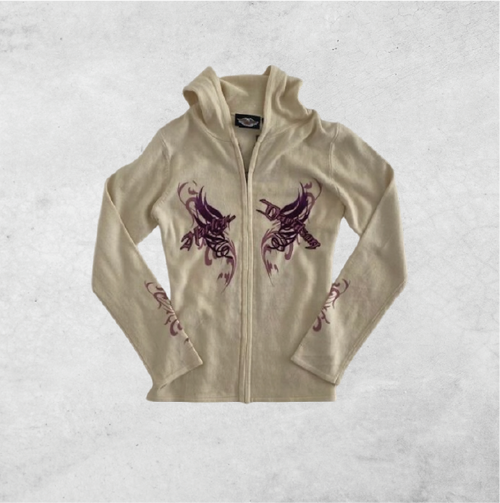

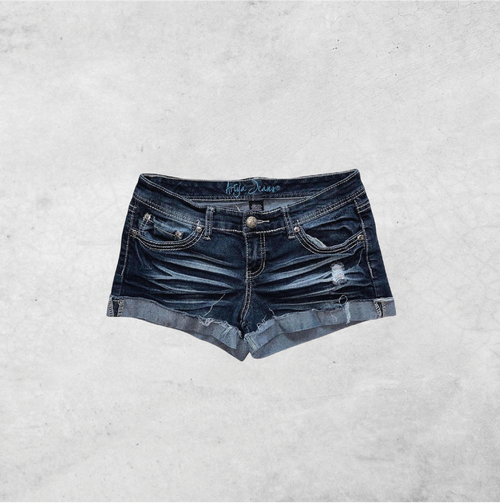
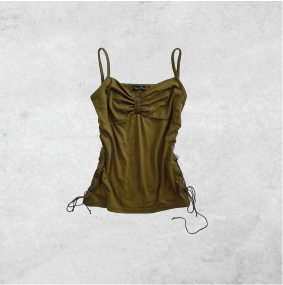
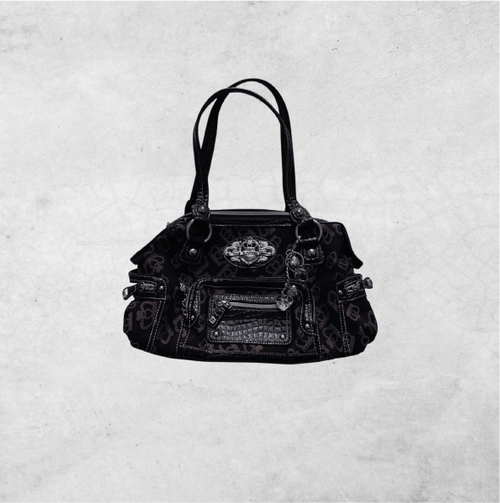
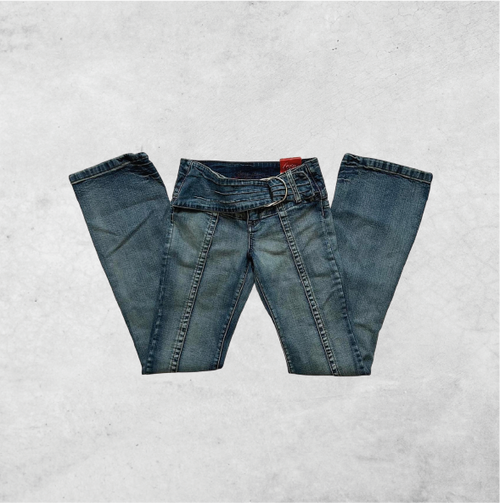
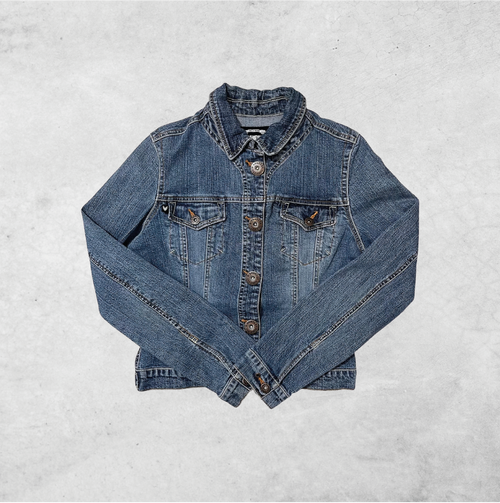
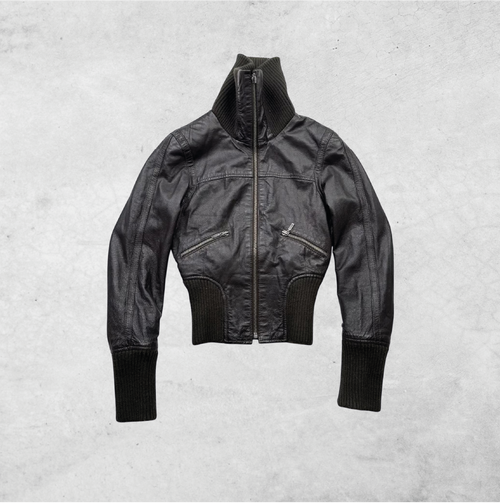
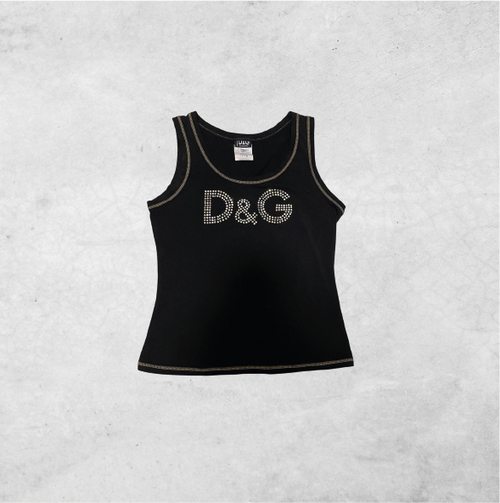
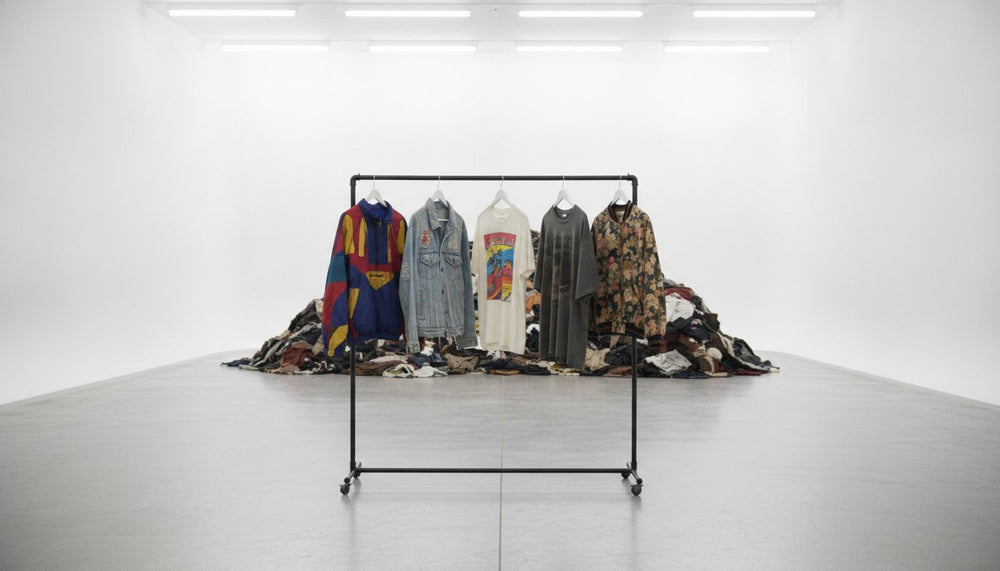
Scrolling through ten thousand unvetted, blurry listings on a massive resale marketplace feels less like a style discovery and more like an unpaid shift at a digital landfill. It's exhausting to navigate the noise, especially when you're dodging fast fashion "dupes" that lack soul or vintage sweatshirts that arrive with undisclosed stains. Finding a trusted curated vintage clothing store isn't just about convenience; it's a tactical rebellion against an industry that prioritizes mindless volume over genuine value.
We understand the frustration of the "thrift store gamble" and the lingering guilt of buying low quality modern replicas just to get the look. You deserve high quality pieces that have been hand picked, professionally cleaned, and respected before they ever reach your closet. This article explores how curation acts as a conscious filter for your personal style, saving you from the overwhelm of the hunt while supporting an ethical, independent alternative to the industry Goliaths. We'll look at the vital role of selection in the sustainable movement and why choosing quality over quantity is the only way to build a wardrobe that actually lasts.
Key Takeaways
- Learn why the "infinite scroll" of massive marketplaces is designed to exhaust you and how a curated vintage clothing store offers a tactical exit.
- Understand the sourcing and cleaning rituals that ensure your vintage sweatshirts and jeans arrive ready for wear, not as a restoration project.
- Discover why curation is a strategic investment in longevity that outlasts the rapid, wasteful cycles of modern retail giants.
- Identify the markers of an authentic shop to avoid falling for fast fashion replicas hiding behind vintage aesthetics.
- Explore how supporting independent, grassroots curators helps dismantle the "Goliath" industry of mass production.
the noise of the digital rummage: why curated vintage matters in 2026
The digital rummage is a trap. By 2026, the volume of discarded clothing has reached a breaking point, turning massive online marketplaces into unvetted digital landfills where the "infinite scroll" feels less like a hobby and more like an unpaid shift. You spend hours filtering through blurry photos and vague descriptions, only to risk your hard-earned money on a piece that might arrive smelling of mildew or, worse, turn out to be a low-quality fast fashion "dupe" masquerading as a find. This isn't just shopping fatigue; it's a systemic failure of the "more is better" retail model that prioritizes clicks over craftsmanship.
The rapid, predatory cycles of modern fast fashion have made high-quality second-hand selection more difficult than ever. As mass-market giants flood the world with polyester blends designed to fall apart after three washes, the pool of durable, well-made garments shrinks. Real style requires a filter. This is where the intersection of style, quality, and ethics meets. Choosing a curated vintage clothing store is a tactical decision to opt out of the noise. It's a way to reclaim your time and your values, ensuring that every dollar spent supports a system that respects the planet rather than burying it under a mountain of synthetic waste.
the problem with the digital landfill
Unvetted marketplaces thrive on volume, not value. They want you to stay on the app, scrolling through thousands of items that haven't been cleaned, measured, or checked for structural integrity. The hidden cost of these "cheap" finds is high. You pay in time, in shipping returns, and in the disappointment of receiving items that belong in a recycling bin rather than a wardrobe. It's a throwaway culture that exploits both the consumer and the environment. Breaking free requires a shift from mindless consumption to intentional selection. The rebellion starts when we refuse to treat our clothing as disposable commodities.
the rise of the conscious curator
Authentic curation is the ultimate rebellion. It moves beyond the chaos of random thrifting into a space of intentionality. When you shop at a curated vintage clothing store, you're hiring a strategic filter to do the heavy lifting for you. To truly appreciate this shift, it helps to understand the history of what is vintage clothing and why its craftsmanship stands in such stark contrast to modern retail. A curator acts as a David against the Goliath of the textile industry, hand-picking pieces for their aesthetic merit and physical durability. There's an undeniable emotional value in owning a piece that has been vetted and cared for; it's not just a garment, it's a story that has been rescued from the noise and refreshed for a new life.
anatomy of a curated vintage clothing store: more than just second hand
A curated vintage clothing store operates as a specialized laboratory for style. It's the tactical opposite of the chaotic, unvetted warehouses that fuel the fast fashion machine. While the Goliaths of retail rely on mass production and planned obsolescence, a curator relies on a trained eye and a deep commitment to longevity. This process begins with the sourcing ritual. It's a manual, often grueling search through thousands of items to find the handful of vintage tops and sweatshirts that still possess structural integrity and aesthetic relevance. We aren't just buying; we're rescuing.
Vetting for fabric integrity is where the real rebellion happens. We look for the heavy-weight cottons and durable denims that have already survived decades. When we look at the data regarding what happens to discarded clothing, the environmental impact is staggering. Most textiles end up in landfills or are shipped overseas to become someone else's problem. By selecting pieces that are built to last another ten years, we're actively disrupting that cycle of waste. Curation is an aesthetic vision that requires an understanding of how specific silhouettes, like Y2K jeans or vintage skirts, fit into a modern, conscious wardrobe.
the hand-picked difference
Every drop is the result of weeks of labor. For vintage sweatshirts and pullovers, the criteria go beyond just a cool graphic. We check the ribbing, the seams, and the weight of the fleece to ensure it hasn't been thinned by poor care. Y2K jeans and skirts require an even more specific eye. The fit and wash of denim from that era are iconic, but they are also notoriously difficult to size correctly. We measure, test, and vet every piece before it ever hits the digital shelf. It's a manual filter that ensures only the best survives the transition from the past to your closet.
the 'cleaned and refreshed' guarantee
Professional preparation is the final, non-negotiable step for any authentic curated vintage clothing store. The "thrift shop smell" is often just dust and history, but it remains a significant barrier for many shoppers. We've replaced that uncertainty with a gold standard for cleanliness. Every garment is professionally cleaned and refreshed, removing the grime of the past without damaging the soul of the piece. You shouldn't have to spend your weekend at the dry cleaners or scrubbing out mystery spots. It arrives ready to wear. If you're tired of the gamble, you can explore our latest hand-picked and refreshed collection today and join the movement toward a more intentional wardrobe.
curated vs. warehouse vs. fast fashion: the conscious comparison
The retail landscape in 2026 is a battlefield of extremes. On one side, you have the fast fashion Goliaths churning out polyester "dupes" that lose their shape before the first wash. On the other, massive warehouse resale platforms offer an overwhelming volume of unvetted stock, forcing you to spend hours hunting for a single wearable piece. A curated vintage clothing store exists as the tactical middle ground. It's a space where the "hunt" has already been won on your behalf. While warehouse platforms thrive on the chaos of the infinite scroll, curation prioritizes the value of your time and the integrity of your wardrobe.
Price transparency is the foundation of this rebellion. When you buy a fast fashion sweatshirt, you're paying for a disposable item with a hidden environmental cost. When you buy from a bulk warehouse, you're paying for the privilege of doing the labor yourself. Choosing a curated piece is an investment in longevity. You aren't just buying a garment; you're paying for the vetting, the professional cleaning, and the guarantee that your Y2K jeans or vintage tops won't arrive with a blown-out seam or a mystery stain. With the global second hand apparel market valued at US$ 241.6 billion in 2026, the shift toward intentional selection is no longer a niche trend; it's a market-wide demand for quality over clutter.
why curation is the 'new luxury'
Luxury used to mean a high price tag and a designer label. Today, luxury is the ability to skip the digital rummage and find exactly what you need without the fatigue. It's about exclusivity through selection rather than mass production. By opting for a curated vintage clothing store, you avoid the "uniform" of the high street. You're building a style that is authentically yours, reclaimed from the noise of the mainstream. For those looking to dive deeper into this movement, our the y2k fashion online store guide offers a roadmap for navigating the authentic style landscape in a world full of replicas.
the environmental cost of the alternatives
The environmental impact of our choices is more visible than ever. Fast fashion's reliance on "disposable" clothing creates a carbon footprint that no recycling program can fully erase. Even the secondhand market has its pitfalls. Recent data on consumer behavior in secondhand markets suggests that high-volume, low-intent shopping can sometimes replicate the waste patterns of fast fashion if the garments aren't built to last. Curation solves this by focusing on the circular economy. We select pieces that have already proven their durability, ensuring they stay in closets and out of landfills. Sustainable second hand fashion isn't just about buying used; it's about buying better.

how to spot an authentic curated shop (and avoid the fast fashion dupes)
Spotting a genuine curated vintage clothing store in an era of algorithmic noise requires a critical eye. As the resale market swells, many "Goliath" retailers have started using vintage aesthetics to sell brand-new, low-quality garments that mimic the past without respecting it. An authentic curator isn't just a reseller; they're a strategic filter. You can identify them by their radical transparency. They don't hide behind stock photos or vague descriptions. Instead, they lead with proof of their sourcing rituals and the manual care they invest in every piece. If a shop can't tell you how they cleaned a garment or verified its structural integrity, they aren't curating; they're just moving volume.
Look for a consistent aesthetic voice. A true shop has a point of view, whether it's focused on heavy-weight 90s pullovers or specific Y2K silhouettes. This consistency is a signal of intentionality. It shows that the individuals behind the brand are manually vetting items based on a clear standard of quality and style, rather than just grabbing whatever is cheap at a warehouse. Social proof in this space looks like grassroots activism. Authentic shops engage with their community, sharing the "why" behind their selections and educating their customers on how to maintain garments for the long haul. This community-focused approach is what sets a conscious alternative apart from a faceless corporation.
the 'drop' culture and transparency
Authentic shops thrive on the excitement of the "drop." They communicate new arrivals through original photography that shows the actual item you'll receive, including its unique character and any minor signs of its previous life. Stock photos are a massive red flag. If you're looking for a deeper dive into these technical details, our how to shop vintage online guide breaks down the digital rummage in even more detail. Transparency is the only way to build trust in a digital landscape often cluttered with deceptive marketing and "fast fashion" replicas.
fabric and quality indicators
Descriptions of vintage tops and sweatshirts should be exhaustive. In a curated vintage clothing store, you'll find details on fabric weight, weave, and precise measurements. Vintage sizing is notorious for its inconsistency compared to modern "vanity" sizing, so a shop that skips measurements is setting you up for disappointment. Rebellious brands take the time to explain these nuances, positioning themselves as guides rather than just vendors. They want you to understand the value of a high-quality cotton blend or the specific fit of Y2K denim so you can make a choice that aligns with your values. Ready to opt out of the fast fashion cycle? You can shop our hand-picked, vetted vintage selection and see the difference that intentional curation makes.
joining the rebellion: how thrifted apart curates for the future
The rebellion isn't an abstract concept; it's a daily choice to opt out of the machine. thrifted apart was born from the conviction that you shouldn't have to choose between your ethics and your aesthetic. We've built this curated vintage clothing store to serve as a tactical alternative to the industry giants that profit from waste and anonymity. We aren't a faceless corporation. We're a grassroots team dedicated to the manual labor of rescue and restoration. Every garment in our collection represents a conscious decision to value quality over mass production, acting as a David against the Goliaths of the textile world.
Our process is rigorous because it has to be. To truly disrupt the cycle, we hand-pick, clean, and vet every single piece before it ever reaches our community. This isn't just about retail; it's about stewardship. By offering global shipping, we're bringing this movement of sustainable globalism to style rebels everywhere, ensuring that high-quality, hand-picked vintage is accessible regardless of your zip code. We believe that the future of fashion is circular, and we're here to provide the steady, earnest guidance you need to build a wardrobe with a soul.
affordable vintage for the conscious soul
Curation shouldn't be a gatekept luxury. We focus on keeping our selection of Y2K jeans, sweatshirts, and skirts budget-friendly because we believe the shift toward sustainable second hand fashion should be open to everyone. By prioritizing iconic silhouettes that define an era, we make it easy to build a wardrobe that feels authentic without the high-street price tag or the environmental guilt. It's about making the right choice the easy choice. We take the time to explain the "why" behind every drop, ensuring you understand the value and history of the pieces you're bringing into your life.
becoming part of the movement
Every piece you choose from our curated vintage clothing store is a direct vote against the throwaway culture of modern retail. You're supporting a future where clothing is respected, cleaned, and kept in circulation for another decade. This is just the beginning for the thrifted apart collection. As we grow, our commitment to transparency and manual care remains the same. The rebellion starts in your closet. If you're ready to opt out of the noise and join a community that values substance over speed, you can browse our curated vintage collection today and find something that actually lasts.
your wardrobe is the front line
Choosing where you shop is the ultimate tactical move. In a world flooded with disposable textiles, a professional curated vintage clothing store acts as a vital shield against the fatigue of the digital landfill. It saves you from the gamble of unvetted marketplaces and breaks the low-quality cycle of fast fashion. By prioritizing hand-picked integrity and the "cleaned and refreshed" standard, you aren't just buying clothes; you're investing in pieces that have already proven they can stand the test of time.
thrifted apart exists as a purpose-driven alternative to the industry Goliaths, offering a vetted selection of Y2K and vintage essentials that respect both your style and your values. Every item is hand-picked and cleaned for high quality, ensuring it arrives ready for its next decade of wear. With worldwide shipping available for all vintage rebels, the movement toward a more intentional, circular economy is now within reach for everyone. The rebellion starts in your closet. It's time to reclaim your style from the noise and build a wardrobe that actually says something.
join the rebellion and browse our curated vintage collection
frequently asked questions
what exactly is a curated vintage clothing store?
A curated vintage clothing store is a specialized boutique where every item has been manually selected, vetted for quality, and professionally prepared for sale. Unlike a massive thrift warehouse that relies on volume, curation focuses on a specific aesthetic or quality standard to save you from the digital rummage. It acts as a strategic filter, ensuring that only the most durable and stylistically relevant pieces make it to the collection.
why are curated vintage items more expensive than regular thrift store finds?
The price reflects the manual labor, expertise, and preparation involved in bringing a high-quality garment back to life. When you buy from a curator, you're paying for the hours spent sourcing, the professional cleaning processes, and the guarantee of structural integrity. It's an investment in longevity that skips the thrift store gamble where items often arrive damaged, dirty, or unwearable.
how do i know the vintage clothes are clean and safe to wear?
Every piece we offer is professionally cleaned and refreshed before it's listed for sale. We understand the fear of mystery stains or that lingering thrift shop smell, so we've made our cleaning standard a non-negotiable part of our sourcing ritual. This ensures your vintage sweatshirts or jeans are ready to wear the moment they arrive at your door, removing the grime of the past while preserving the soul of the garment.
what eras of clothing does thrifted apart focus on?
We specialize primarily in the Y2K era and the surrounding decades of high-quality vintage production. Our collection is tightly focused on iconic silhouettes like heavy-weight sweatshirts, vintage tops, and durable denim. By concentrating on these specific eras, we're able to maintain a consistent aesthetic voice that resonates with style rebels who value authenticity over the fleeting, synthetic trends of modern fast fashion.
does a curated store sell authentic y2k clothing or just 'y2k style'?
A true curated vintage clothing store sells authentic garments manufactured during the specific era they represent. We don't deal in modern dupes or mass-produced replicas that lack the craftsmanship of the original pieces. Every Y2K skirt or pair of jeans in our shop has been vetted to ensure it's a genuine relic from that period, offering you a level of quality and history that modern recreations can't match.
can i return items if they don't fit correctly?
You should always check the specific sizing guides and detailed measurements provided in each listing to ensure a perfect fit. Because vintage sizing varies wildly from modern vanity standards, we provide precise dimensions for every top, skirt, and pair of jeans. While specific policies are listed on our dedicated returns page, we prioritize transparency in our descriptions to help you make an informed choice and avoid the frustration of a garment that doesn't work for your body.
how often does a curated vintage store update its inventory?
We update our collection through regular drops that happen as soon as new pieces have been sourced, cleaned, and vetted. Curation isn't a fast-paced mass production line; it's a methodical process that prioritizes quality over speed. These updates create a pulse and flow rhythm, offering fresh arrivals for those who follow our movement closely while maintaining the high standard our community expects from a dedicated curator.
is shopping at a curated vintage store really more sustainable than fast fashion?
Shopping curated vintage is significantly more sustainable because it keeps existing high-quality textiles in circulation and out of landfills. Fast fashion relies on a take-make-waste model that exploits resources to create disposable garments. By choosing second-hand pieces that have already proven their durability, you're participating in a circular economy that reduces the demand for new production and the carbon footprint associated with it.