

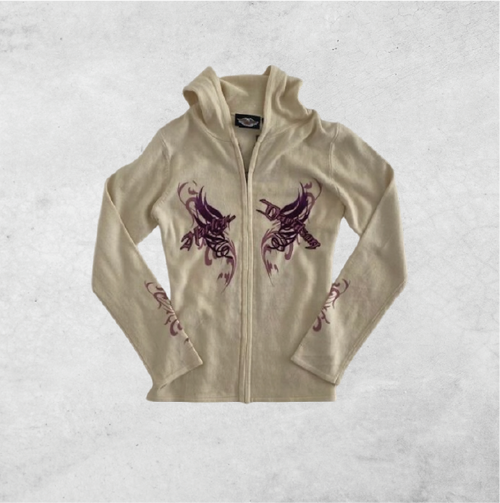

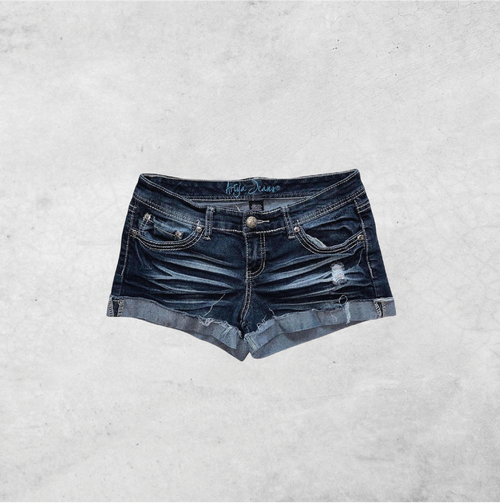
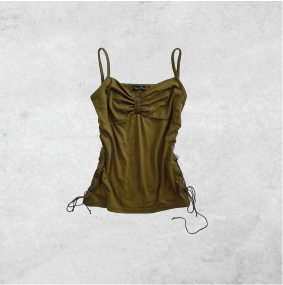
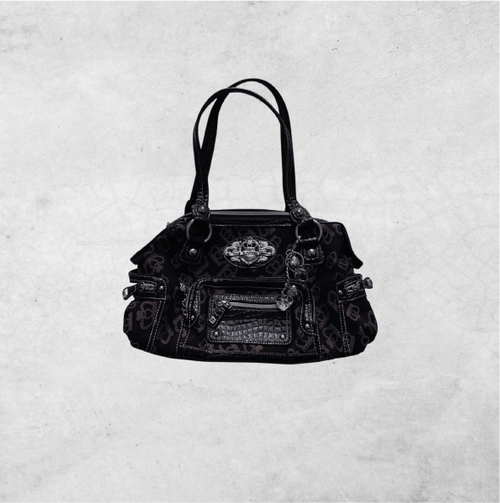
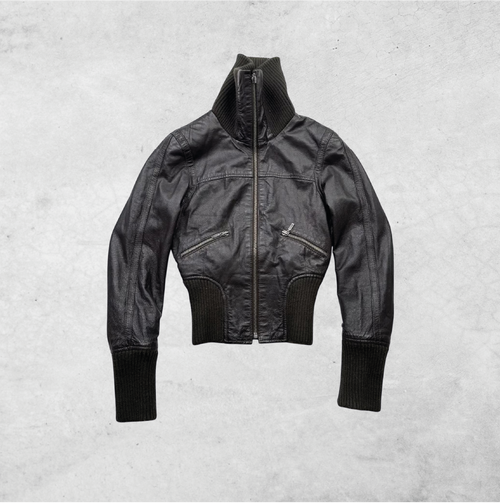
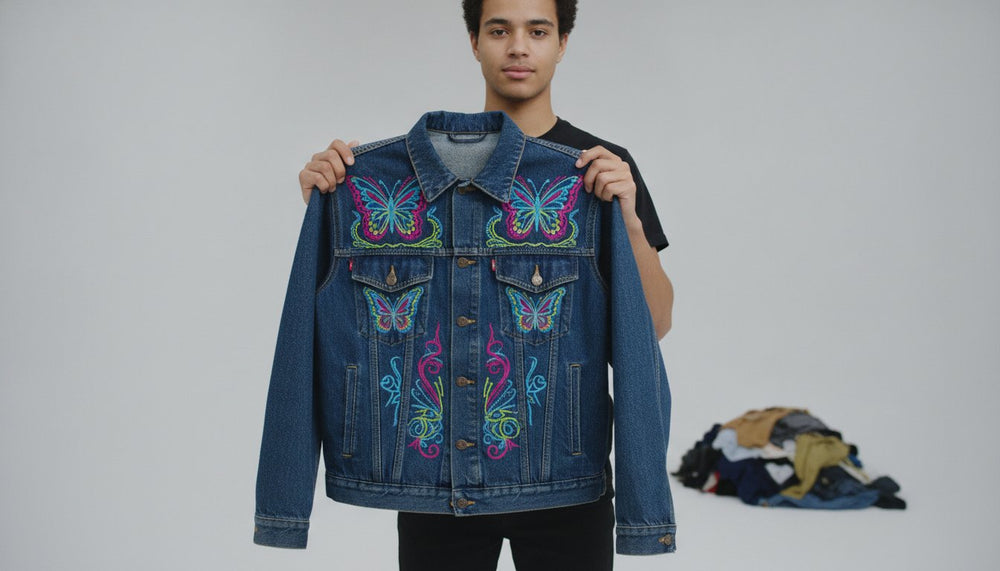
By 2026, the global secondhand market has surged 127% compared to pre-pandemic levels, proving that the era of disposable, low-quality "hauls" is finally collapsing. a movement of the many against the few. You've likely felt the frustration of a new shirt losing its shape before the second wash or the quiet guilt of knowing your wardrobe contributes to a massive environmental footprint. Choosing a vintage fashion alternative to fast fashion isn't just about being "retro" anymore. It's a calculated strike against a system that profits from planned obsolescence.
We know the struggle of wanting to quit the fast fashion cycle while fearing that sustainable style is either too expensive or takes hours of digging through dusty bins. You deserve a wardrobe that feels intentional and stands the test of time. This article will dismantle the myths that keep you tethered to big-box retailers and show you why curated vintage is the ultimate rebellion for 2026. We'll explore the shift toward quality craftsmanship, the impact of the new EU Digital Product Passport, and how hand-picked selections make ethical dressing effortless. quality over mass production. always.
Key Takeaways
- identify the "fast fashion trap." learn why choosing a vintage fashion alternative to fast fashion is a strategic move for a durable, high-quality wardrobe.
- dismantle the "worn out" myth. see how professional curation ensures every piece is hand-picked and cleaned for a premium feel.
- master the cost-per-wear math. one vintage sweatshirt outlasts three disposable versions, making sustainable style the cheaper choice.
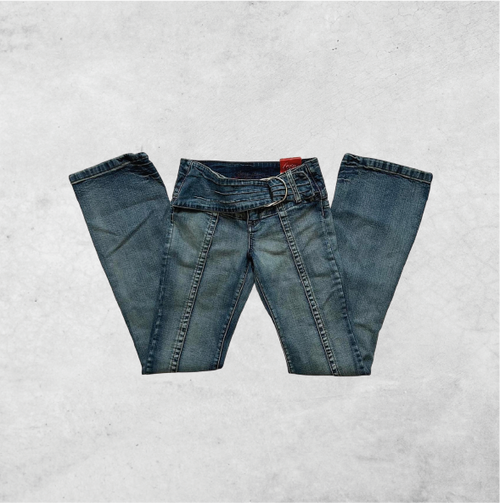
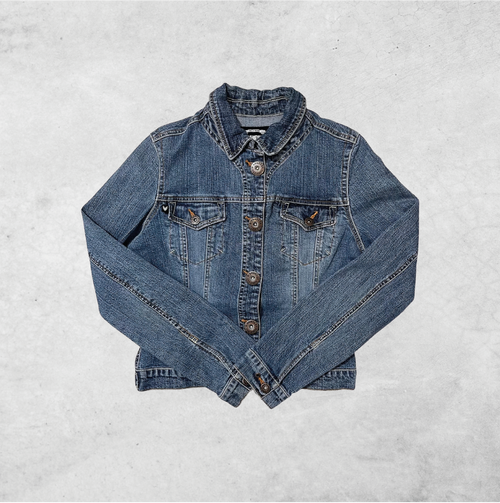
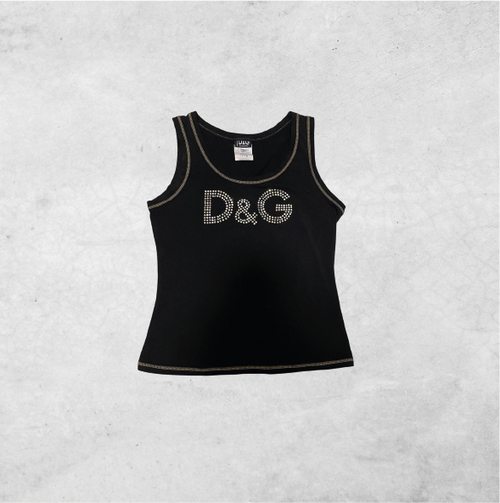
- uncover why authentic y2k jeans and tops carry a level of craftsmanship that modern mass-market copies simply cannot replicate.
- take action. use the "one-in, one-out" rule to transition your closet toward quality over mass production.
The Fast Fashion Trap vs. The Vintage Rebellion
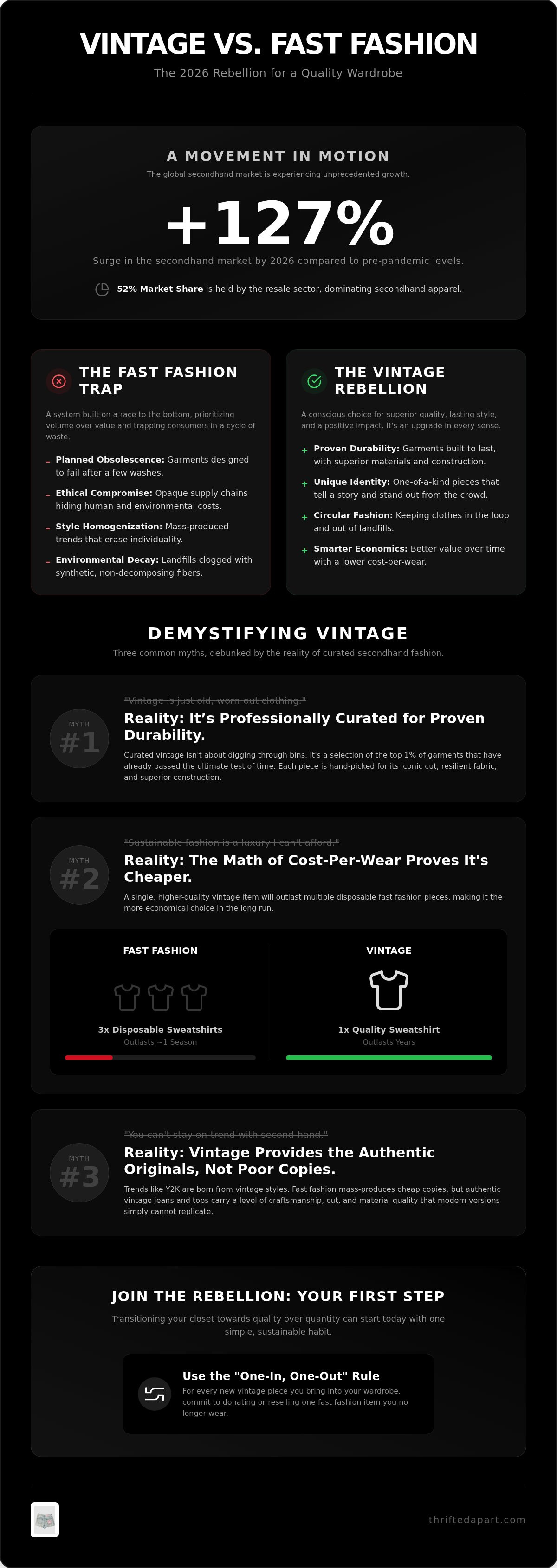
We've been sold a lie. The Fast Fashion Trap relies on a cycle of planned obsolescence where garments are designed to fall apart after a handful of washes. It's a race to the bottom. Global giants prioritize speed and volume over the humans who make the clothes and the planet that sustains us. This isn't just a shopping habit; it's an ethical compromise we're forced into by corporations that value profit over people. They want you to feel like your style has an expiration date.
Choosing a vintage fashion alternative to fast fashion is a proactive rebellion. It's a calculated strike against a broken system. In 2026, we're seeing a massive shift as conscious shoppers move away from linear waste. The secondhand apparel market is expected to reach USD 53.7 billion this year, with the resale sector holding a dominant 52% market share. People are waking up. Instead of a "take-make-dispose" model, we're building a system where clothes stay in the loop. It's called circular fashion, and it's the only real antidote to the mountains of textile waste growing every day.
why the 'new' industry is broken
Construction quality has plummeted over the last two decades. If you compare a modern sweatshirt to one from twenty years ago, the difference is staggering. Today's $10 sweatshirts use thinner fabrics and loose stitching that won't survive a single season. This disposable culture has a massive environmental cost, clogging landfills with synthetic fibers that never decompose. Beyond the waste, there's the style problem. Fast fashion homogenizes everything. Walk down any city street and you'll see the same three silhouettes in the same five colors. It's boring. It's predictable. It's a trap designed to make you blend in while your clothes fall apart.
- Planned Obsolescence: Garments designed to fail so you buy more.
- Ethical Compromise: Opaque supply chains that hide human costs.
- Style Homogenization: Algorithms that tell everyone to wear the same thing.
- Environmental Decay: Microplastics and chemical runoff from "disposable" textiles.
vintage as the ultimate style upgrade
Vintage isn't just "used." It's better. Older garments were built to last, featuring heavy-weight cotton, reinforced seams, and unique dyes that have aged with character. There's a specific thrill in finding a one-of-a-kind piece that no one else owns. You aren't just buying clothes; you're curating an identity. By choosing sustainable second hand fashion, you're opting for superior materials and a story that mass production can't replicate. It's an upgrade in every sense of the word. You get the quality of the past with the conscious mindset of the future. That's how we win.
Myth #1: 'Vintage is Just Old, Worn-Out Clothing'
Let's talk about the smell. You know the one. That heavy, musty scent of a thousand forgotten closets that often lingers in the air of unorganized thrift warehouses. It's the primary reason many people hesitate to embrace a vintage fashion alternative to fast fashion. They assume that choosing pre-loved means settling for "dirty" or "worn-out" rags. This is a myth fueled by the chaos of blind thrifting, where you spend hours digging through bins only to find stained collars and blown-out seams. Curated vintage is a different world entirely. It's the difference between scavenging and selecting.
The truth is that vintage clothing represents the peak of garment durability. Think about a pair of vintage jeans from the nineties or a heavyweight fleece sweatshirt from the early 2000s. These pieces haven't just sat in a drawer; they've been worn, washed, and lived in for decades. They've already survived the ultimate test of time. If a garment still looks incredible after twenty years of use, it's proof of superior construction that modern "disposable" clothes can't match. You aren't buying something old; you're buying something proven.
the power of professional curation
We don't just find clothes; we rescue the best versions of them. Professional curation involves a rigorous selection process where only the most iconic cuts and resilient fabrics make the cut. When you browse a collection of Y2k jeans or vintage sweatshirts, you're seeing the top 1% of what's available in the market. This eliminates the "thrift store fatigue" that leaves most shoppers exhausted and empty-handed. By focusing on high quality second hand clothing, we ensure that every piece is a style upgrade rather than a compromise. It's about strategy, not luck.
cleaned and refreshed: our quality standard
Hygiene shouldn't be a hurdle in your style journey. Every item we source undergoes a deep cleaning and preparation process before it ever reaches your doorstep. We prioritize high-grade natural fibers like heavyweight cotton and wool. These materials hold their shape and texture far better than the flimsy, oil-based synthetics found in modern big-box stores. We deliver a ready-to-wear experience that feels as fresh as a new purchase but carries the soul of a classic. If you're ready to see the difference for yourself, you can explore our latest drop of hand-picked essentials and join the movement. quality over mass production. always.
Myth #2: 'Sustainable Fashion is a Luxury I Can't Afford'
The biggest barrier to ethical dressing isn't a lack of desire; it's a perceived lack of funds. We've been conditioned to believe that "sustainable" is synonymous with "luxury," picturing $200 organic cotton t-shirts and high-end boutiques that feel more like galleries than shops. This narrative serves the giants of the industry. It keeps you trapped in a cycle of buying cheap, disposable items because you feel priced out of the alternative. Choosing a vintage fashion alternative to fast fashion is actually a financial strategy. It's about shifting your perspective from the sticker price to the Cost-Per-Wear (CPW).
Consider the math. You can buy a $15 hoodie from a fast fashion retailer that pills, shrinks, and loses its shape after three washes. You'll likely replace it three times a year. Alternatively, a $30 vintage hoodie, built with the heavyweight fleece of the past, can last you a decade. The vintage piece costs pennies per wear, while the "cheap" option becomes a recurring subscription fee to a landfill. In 2026, the rise of specialized resale platforms has made it easier than ever to treat your clothes as assets. Vintage pieces often hold or even increase in value. If you decide to move on, you can resell a hand-picked vintage sweatshirt for a significant portion of its original cost. Fast fashion has a resale value of zero.
breaking the 'expensive' stigma
Affordability shouldn't come at the cost of your values. Curated vintage sits in the sweet spot between the chaos of unmanaged thrift bins and the astronomical prices of new sustainable brands. By focusing on affordable thrifted fashion, we bridge the gap. We compare our pricing to mid-market retailers, but we offer garments with three times the lifespan. You don't need a massive budget to join the rebellion; you just need to stop feeding the machine that profits from your wardrobe's failure. quality over mass production. always.
building a wardrobe that lasts
The key to a budget-friendly transition is incremental growth. You don't have to replace your entire closet overnight. Start with the staples that take the most abuse: vintage sweatshirts and jeans. These are the workhorses of your daily rotation. A wardrobe investment means choosing quality over quantity by selecting pieces that survive trends and wash cycles alike. Focus on timeless cuts and durable fabrics that have already proven their strength. Over time, your closet becomes a collection of high-quality assets rather than a pile of expiring trends. It's a slow build, but it's one that pays dividends in both style and savings.
Myth #3: 'You Can't Stay On-Trend with Second-Hand'
Trends don't start in corporate boardrooms. They start in the archives. Most people don't realize that the "new" arrivals hitting the high street every Tuesday are just watered-down echoes of designs from twenty or thirty years ago. Fast fashion brands spend millions on trend-forecasting software that essentially scrapes the past to sell it back to you in a cheaper, less durable form. When you choose a vintage fashion alternative to fast fashion, you aren't falling behind the curve. You're going straight to the source. You're wearing the original inspiration before it was stripped of its quality and soul by a mass-production algorithm.
The "cool factor" of vintage is rooted in exclusivity. There's a specific kind of confidence that comes from walking into a room and knowing nobody else is wearing your outfit. In a world where social media creates "outfit clones" overnight, wearing a unique vintage top or a specific pair of 90s jeans is an act of defiance. It's an escape from the relentless cycle of micro-trends that tells you what's "in" today and "trash" by next month. By building a wardrobe of curated pieces, you're investing in a style that exists outside of that frantic, wasteful timeline.
authentic y2k: the real deal vs. the rip-offs
The current Y2k revival is a perfect example of why vintage wins. Modern high-street remakes of 2000s styles often use flimsy, high-stretch synthetic blends that lack the structure and "weight" of the era. Authentic vintage Y2k jeans were built with heavy-duty denim and featured specific washes and hardware that modern machines struggle to replicate cheaply. When you look at y2k jeans for sale from the original era, you're getting the correct rise, the durable stitching, and a fit that actually holds its shape throughout the day. It's about the feel of the fabric against your skin and the way a garment drapes when it's made from real materials. Don't settle for a polyester imitation when the authentic version is waiting to be rediscovered.
curating your unique style identity
Curated vintage allows you to explore specific aesthetics without the guilt of supporting a "throwaway" culture. Whether you're leaning into streetwear, indie sleaze, or a minimalist 90s look, using a curated shop helps you find the exact silhouettes you need without the "thrift store hunt" fatigue we discussed earlier. You can mix a vintage sweatshirt with modern basics to create a look that feels grounded and intentional. We believe that curated style is a mix of personal history and modern flair. It's about choosing pieces that resonate with your personality rather than just following a brand's marketing campaign. If you're ready to stop being a billboard for corporate giants and start building a real identity, you can secure your authentic y2k staples here and join the movement. your style. your rules.
Joining the Rebellion: How to Transition Today
Transitioning your closet shouldn't feel like an overnight overhaul. It's a strategic withdrawal from a system that doesn't value your individuality or the planet's health. Choosing a vintage fashion alternative to fast fashion is a long-term commitment to quality over mass production. Start by implementing a simple "one-in, one-out" rule. For every hand-picked vintage piece you add to your collection, one low-quality, disposable item must leave. This ensures your wardrobe grows in value and durability rather than just increasing in volume. It's about curation, not just consumption.
Identify the workhorses of your daily rotation. Your jeans and sweatshirts take the most abuse, so they should be the first candidates for a quality upgrade. Look for the "quality gaps" in your current closet, like that thin hoodie that lost its softness after three washes or the jeans with the failing zipper. These are the pieces where the vintage rebellion starts. By replacing these liabilities with durable assets, you're building a foundation that will actually last through 2026 and beyond.
the 3-step starter guide
- Step 1: Audit for quality gaps. Go through your current wardrobe and identify garments made from thin, synthetic fabrics that are pilling or losing their shape. These are the "disposable" items that need to be phased out.
- Step 2: Swap your next trend purchase. Instead of hitting a big-box retailer for the latest Y2k remake, find an authentic original. It will fit better, look better, and hold its value.
- Step 3: Share your finds. Normalize sustainable shopping by showing your community the superior stitching and unique character of your vintage pieces. The rebellion grows when we show others that quality is accessible.
your sustainable wardrobe roadmap
You don't need a massive budget to quit the fast fashion trap. Set a monthly "thrift budget" and stick to high-impact categories that offer the most style variety. We recommend starting with vintage tops online because they anchor your entire look and offer the most character for your investment. These pieces are the face of the rebellion, proving that you don't need a corporate algorithm to tell you what's cool. Once you've secured your staples, learn basic garment care. Washing on cold and air-drying your vintage finds will preserve the fibers for decades to come.
This is more than just a shopping habit; it's a movement toward autonomy. You're choosing to be a conscious curator rather than a passive consumer. Join the rebellion at thrifted apart and find your next favorite piece today. quality over mass production. always.
reclaim your style identity
The fast fashion cycle isn't just a waste of money; it's a drain on your personal creativity. We've dismantled the myths of hygiene and cost, proving that authentic quality is within reach for anyone willing to look beyond the high street. By choosing a vintage fashion alternative to fast fashion, you're opting out of a broken cycle and stepping into a world where every garment has a soul and a story. It's a strategic move for your wardrobe and a victory for the planet. quality over mass production. always.
We make the transition effortless. Every piece in our shop is hand-picked and professionally cleaned before it ever reaches your door. Whether you're hunting for authentic y2k and 90s styles or durable sweatshirts that actually last, we've done the hard work of curation for you. With eco-friendly worldwide shipping, your next favorite piece is just a click away. You don't have to choose between your ethics and your aesthetic.
Shop the Rebellion: Explore Our Curated Vintage Collection
Your closet is a revolution waiting to happen. Let's build something that lasts. join the movement.
frequently asked questions
is vintage fashion really more sustainable than buying from ethical new brands?
vintage is the most sustainable choice because it utilizes resources that already exist. even the most ethical "new" brands require fresh water, land, and energy to produce a garment from scratch. by opting for a vintage fashion alternative to fast fashion, you're bypassing the manufacturing stage entirely and extending the life of a piece that has already been made. this effectively reduces its environmental footprint to near zero.
how do i know my vintage clothes are clean and safe to wear?
we eliminate the "musty" stigma through a rigorous professional cleaning and refreshment process. unlike the unpredictable nature of random thrift bins, every item we source is hand-picked, inspected for flaws, and deep-cleaned before it's listed. whether it's a vintage sweatshirt or a pair of y2k jeans, our garments arrive in ready-to-wear condition. you get the character of the past with the hygiene of a new purchase.
why is fast fashion considered so bad for the environment in 2026?
the industry is a primary driver of the global textile waste crisis, which led to the eu launching the digital product passport registry in july 2026 to track environmental impact. fast fashion relies on a linear "take-make-dispose" model that clogs landfills with millions of tons of non-biodegradable synthetic fibers. choosing vintage is a strategic strike against this waste, keeping high-quality materials in circulation for decades instead of months.
can i find modern sizes in vintage clothing?
you can find a full range of sizes, but it's important to ignore the labels and focus on measurements. vintage sizing from the 90s and early 2000s often varies significantly from today's "vanity" sizing standards. we provide detailed measurements for all our vintage skirts and tops to ensure you find the perfect fit. don't let a number on a tag dictate your style rebellion. check the specs.
how do i style y2k jeans without looking like i'm in a costume?
balance is the secret to making retro denim feel contemporary. try pairing your baggy y2k jeans with a modern, minimalist bodysuit or a structured blazer to ground the silhouette. this creates a curated look that feels intentional and sophisticated rather than like a direct copy of a 2002 music video. it's about mixing personal history with modern flair to build an identity that's entirely your own.
what are the best vintage alternatives to basic fast fashion tops?
heavyweight cotton tees and 90s-era minimalist blouses are the ultimate substitutes for flimsy high-street basics. these vintage tops feature reinforced necklines and superior stitching that won't warp or shrink after two washes. look for 100% cotton pieces that offer a substantial "drape" and structure. they provide a level of durability and effortless style that mass-produced alternatives simply cannot replicate. quality always wins.
does thrifted apart ship worldwide?
yes, we offer eco-friendly worldwide shipping to make the vintage fashion alternative to fast fashion accessible to everyone. we pack every order using sustainable materials and ship directly to your doorstep, no matter where you're located. our mission is to build a global community of conscious rebels who value quality over mass production. your location shouldn't be a barrier to joining the movement against disposable style.
how can i tell if a vintage sweatshirt is high quality?
check the fabric weight and the construction of the cuffs. high-quality vintage sweatshirts feel heavy and substantial because they were made with high-density cotton or heavy fleece. look for double-needle stitching on the seams and "cross-grain" construction, which prevents the garment from stretching out of shape over time. if the waistband still has a strong "snap" after twenty years, you've found a piece built for the long haul.