


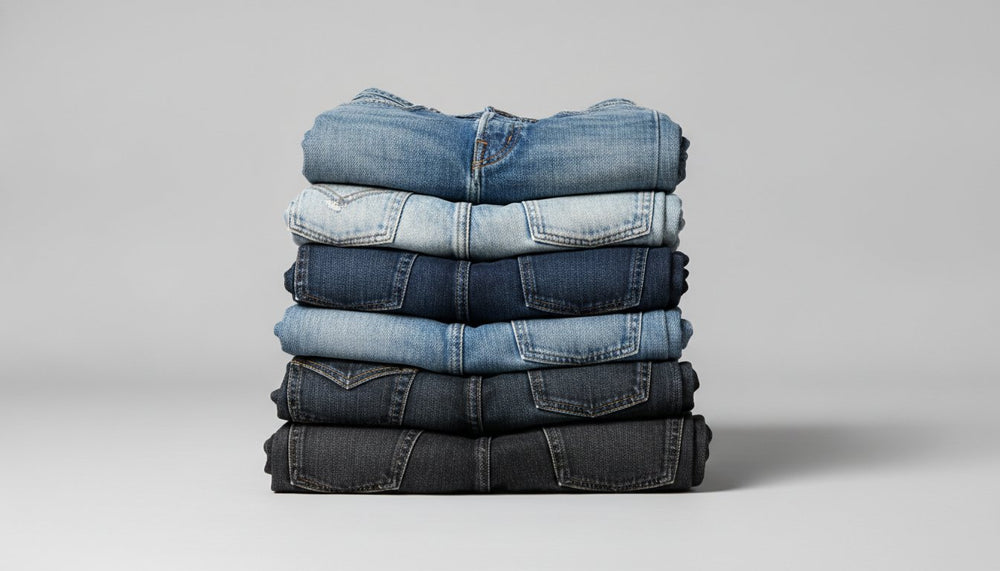
Most of the "vintage" denim you find in massive digital warehouses is just glorified landfill waiting for a home. It's a frustrating cycle of scrolling through thousands of stained, "filler" pairs only to end up with jeans that don't fit because a 1990s size 10 is actually a modern size 4. You're trying to build a sustainable wardrobe on a budget, yet the sheer volume of low-quality options makes finding vintage jeans online feel like a second job rather than an act of conscious curation.
We believe that buying pre-loved clothes should be a curated rebellion against the waste of the mainstream industry, not a gamble on whether your package arrives smelling like a basement. With the U.S. secondhand market projected to hit $61 billion in 2026, there's more denim out there than ever, but quality remains the real challenge for those who value authenticity. This guide will show you how to find high-quality, hand-picked pieces that actually fit your style and your conscience without the fast fashion headache. We'll explore how to master sizing across different eras, style the latest baggy and low-rise trends, and identify reliable sources that prioritize manual care and transparency over mass-market chaos.
Key Takeaways
- Discover how choosing pre-loved denim serves as a purposeful rebellion against the environmental destruction caused by the fast fashion Goliaths.
- Master the measurement techniques needed to navigate unreliable vintage tag sizes so you can shop for your next pair with total confidence.
- Identify the distinct differences between classic 90s straight-leg cuts and the bold Y2K silhouettes currently dominating modern street style.
- Learn why sourcing your vintage jeans online from curated platforms ensures you receive hand-picked, cleaned, and high-quality pieces every time.
- Build a conscious closet that values authentic wear patterns and manual care over the mass-produced waste of the mainstream industry.
why vintage jeans are the ultimate style rebellion
Choosing vintage isn't just a style preference. It's a calculated strike against an industry built on the backs of "throwaway" culture. When you search for vintage jeans online, you're stepping into a role as a conscious disruptor. You are the David taking on the fast fashion Goliaths that prioritize profit margins over planetary health. Every year, the mainstream industry pumps out millions of low-quality garments, relying on a model of planned obsolescence that forces consumers to keep buying. Vintage denim breaks that cycle. It offers a way to dress that is both deeply personal and radically responsible.
The environmental cost of a single new pair of jeans is staggering. We're talking about roughly 3,781 liters of water and a heavy reliance on toxic chemicals for dyeing and finishing. By opting for pre-loved denim, you're preventing that waste and keeping high-quality materials out of the landfill. These aren't just mass-produced commodities; they're artifacts. A pair of jeans from the 80s or 90s has already survived decades of life. They've been worn, washed, and loved into a state of perfection. This "broken-in" comfort is impossible to manufacture in a factory. It has to be earned through time.
the quality gap: vintage vs. fast fashion
There is a massive difference between what sits on a modern department store shelf and what you find in a curated vintage collection. Most contemporary jeans are a cocktail of cotton and plastic-based stretch fibers. They feel thin. They sag after two hours of wear. They die young. Vintage denim is usually 100% heavy-weight cotton. It has a structural integrity that shapes to your body rather than just clinging to it. Throughout the storied history of jeans, this material was prized for its resilience. Over years of wear, this authentic denim develops a unique patina, a visual map of fades and whiskers that is entirely one-of-a-kind. You aren't just wearing a trend; you're wearing a piece of history that gets better with every wash.
sustainability as a movement
Buying second-hand is the most effective way to shrink your fashion-related carbon footprint. It is a grassroots movement that values circularity over extraction. When you shop for vintage jeans online through a curated source, you're participating in a strategy that makes slow fashion actually work for your lifestyle. The "filler" and "junk" are stripped away, leaving only the best examples of craftsmanship. This curated approach removes the stress of the hunt while maintaining the ethical high ground. Thrifted denim is no longer just a budget choice; it's the gold standard for a conscious closet. It proves that you don't need to sacrifice your aesthetic to save the planet. You just need to choose a better alternative.
decoding denim: finding your perfect fit and wash
The tag is lying to you. When you hunt for vintage jeans online, the first thing you have to accept is that the number on the waistband is essentially historical fiction. Sizing standards have shifted so dramatically over the last forty years that a size 12 from 1985 might actually be closer to a modern size 6. This discrepancy isn't just a quirk of the industry; it's a byproduct of vanity sizing and the shift toward mass-market manufacturing. To find a pair that actually fits, you have to ignore the label and look for the raw data of the measurements. Authentic denim doesn't have the stretch of modern blends, so there is no room for error. You're looking for heavy-weight cotton that holds its shape, which means the fit has to be precise from the moment you button them up.
the measurement masterclass
Grab a tape measure and a pair of non-stretch jeans you already love. Lay them flat on a hard surface and measure the waistband from side to side, then double that number for your waist size. The rise is the secret sauce of any silhouette. It is the distance from the crotch seam to the top of the waistband, and it determines if the jeans sit at your navel or your hips. A high rise of 11 inches or more creates that classic 90s look, while a 7-inch rise screams early 2000s rebellion. Finally, check the inseam from the crotch to the hem. Since vintage denim lacks elastane, we recommend adding half an inch to your waist measurement for a "comfort buffer" that allows you to actually sit down and breathe.
understanding washes and fades
The wash of the denim tells the story of the era it escaped. Light-wash 80s denim, often achieved through acid or stone washing, offers a high-contrast, textured look that feels intentionally loud. In contrast, dark-wash Y2K styles often lean into a more uniform, saturated indigo that serves as a backdrop for bold hardware and low-slung belts. You should always prioritize natural distressing over factory-made rips. Modern "distressed" jeans are weakened by lasers and chemicals in a factory, but true vintage wear is earned through years of movement. Natural honeycombing and whiskers are signs of authentic wear that tell the story of the previous owner's life. If you're tired of the sizing gamble, you can browse our hand-picked vintage jeans where we've already done the hard work of measuring and authenticating every pair for you.
Before you commit, look at the hardware and stitching. High-quality vintage pieces often feature copper rivets and heavy-duty brass zippers that were built to last a lifetime. Look for "chain stitching" on the hem, which is a sign of superior construction that prevents unraveling. The weight of the fabric is another dead giveaway. Real vintage denim usually clocks in at 12 to 14 ounces per yard, making it feel substantial and protective. This is the hardware of a movement, designed for longevity rather than a single season of wear.
y2k vs. classic vintage: which era is your vibe?
Deciding between the 90s and the early 2000s is more than just a silhouette choice. It's a decision about which subculture you want to inhabit. The 90s was the era of the high-waisted, straight-leg classic, a look that prioritized structural integrity and a clean, utilitarian aesthetic. Then came the Y2K shift. It was a chaotic, rebellious departure that pushed waistlines down and added flares, embellishments, and a sense of maximalism. When you browse vintage jeans online, identifying these era-specific markers is the key to building a wardrobe that feels intentional rather than accidental. You aren't just buying clothes; you're adopting a perspective on how denim should move with the body.
Choosing an era often depends on your style goals. If you want to highlight your waist and create a streamlined, timeless silhouette, the 90s straight-leg is your best ally. It offers a structured "mom" or "dad" fit that works for almost every body type. However, if you're looking to disrupt the status quo with a more daring, hip-hugging look, the Y2K era provides the variety you need. The resurgence of these styles in modern street style isn't just nostalgia. It's a refusal to accept the boring, cookie-cutter designs offered by today's mainstream retailers. By choosing a specific era, you're finding a fit that actually speaks to your personality.
the y2k denim revival
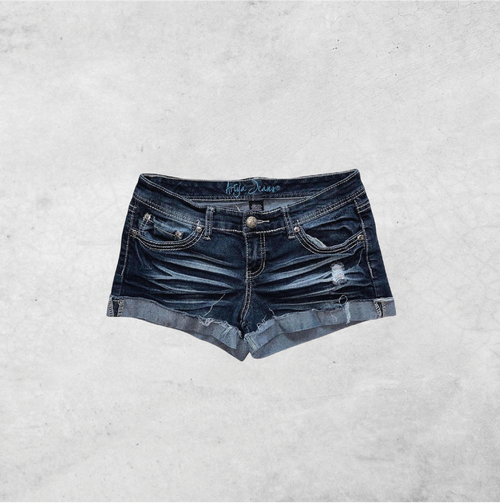
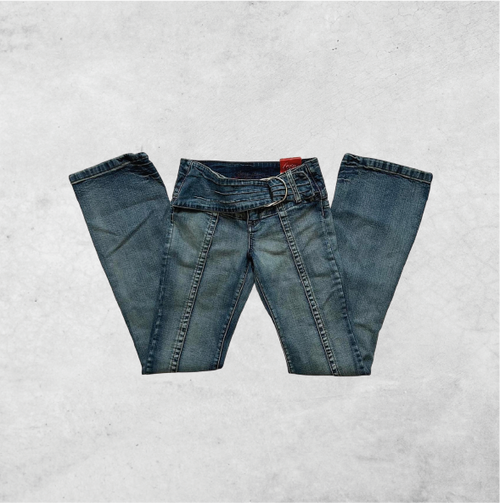
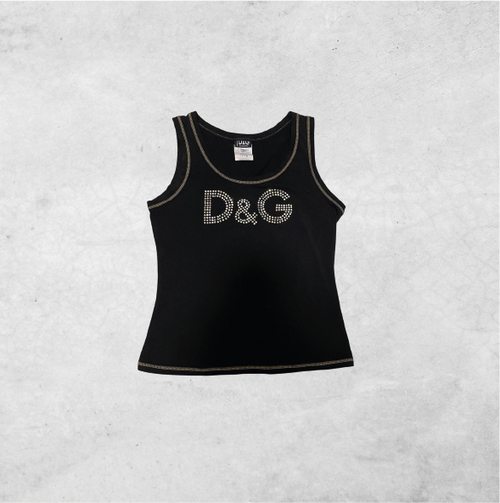
The comeback of 2000s low rise jeans is a direct response to years of high-waisted dominance. This era is defined by its refusal to be subtle. Look for iconic features like bold contrast stitching, dramatic flared bottoms, and embroidered pockets. To style these for a modern, conscious look, pair them with a simple vintage baby tee or an oversized sweatshirt to balance the low-slung waistline. It's about confidence and a bit of early-millennium grit.
the 90s baggy aesthetic
There is an enduring appeal to the oversized, relaxed fits of the 1990s. This aesthetic is the ultimate gender-neutral vintage staple, offering a level of comfort that modern skinny jeans could never provide. If you're wondering how to style baggy jeans 2000s style or in a 90s context, the secret is all in the proportions. Use a belt to cinch the waist of an oversized pair, allowing the fabric to stack naturally at the ankles. This creates a silhouette that is both effortless and structurally interesting. When you source vintage jeans online, these baggy fits offer the most versatility for a growing, sustainable closet.

how to shop vintage jeans online without the stress
Scrolling through massive, unfiltered marketplaces is a form of digital labor that most of us simply don't have time for. It's an exhausting cycle of navigating blurry photos and vague descriptions while dodging the constant fear of being scammed by a "mystery box" listing. When you look for vintage jeans online, the experience should feel like a boutique discovery, not a digital dumpster dive. A reputable, curated shop acts as a vital filter. It removes the stained, damaged, and low-quality "filler" items that plague the giants of the industry, allowing you to focus on the pieces that actually matter. This is how you reclaim your time and your wardrobe.
vetting the seller
The difference between a generic marketplace and a curated boutique lies in the human element. An algorithm doesn't care if the denim is thinning at the inner thigh or if the zipper is about to fail, but a dedicated curator does. You should prioritize sellers who offer a hand-picked selection rather than a sheer volume of listings. This manual care ensures that every pair has been inspected for structural integrity and aesthetic relevance. Transparency is the only currency that matters here. Look for clear, well-lit photos that don't just show the "vibe" but highlight the labels, the hardware, and especially the hems. If a seller is hiding the hem, they're likely hiding a bad DIY alteration or irreparable fraying. You deserve to see exactly what you're joining.
the final check: condition and care
Understanding "vintage condition" is about knowing the difference between a beautiful, earned patina and actual damage. Minor fraying or a slight fade is part of the charm, but structural issues like blown-out crotches or dry-rotted fabric are dealbreakers. We believe that when you buy second hand jeans online, you shouldn't have to settle for dirty or "musty" clothes. Every pair should arrive cleaned and ready for its second life. Once they're yours, maintain them with a cold wash and air drying to preserve the fibers for another twenty years. To catch the best pieces before they disappear into the mainstream, keep an eye on our regular drop schedules. Our latest arrivals are waiting for those who move fast.
Before you hit the checkout button, verify the measurements one last time. As we discussed earlier, tag sizes are irrelevant in the world of pre-loved denim. A shop that refuses to provide the rise, waist, and inseam measurements is a shop that isn't worth your trust. You are building a conscious closet, and that requires precision. If you're ready to stop the endless scroll and start finding denim that actually lives up to your standards, you can shop our curated vintage jeans collection today and join a community that values quality over quantity.
thrifted apart: curated denim for the conscious closet
The fashion industry is dominated by Goliaths that prioritize speed and extraction over quality and ethics. We built our brand to be the rebellious alternative to that cycle. We believe that finding vintage jeans online should be an act of purpose; a way to vote for a circular economy without sacrificing your personal aesthetic. Our mission is to bridge the gap between the grit of the thrift store and the confidence of a high-end retail experience. We don't just list clothes; we curate a movement that values the history of every garment and the future of the planet.
While the U.S. secondhand market is expected to reach a value of $61 billion by 2026, the volume of "filler" clothes in that space is overwhelming. Most large platforms rely on algorithms or bulk uploads that ignore the nuances of fit and condition. We take a different path. Our strategy is rooted in manual care and transparency, ensuring that you never have to gamble on whether your denim will arrive as described. We've stripped away the noise of the mass market to provide a steady flow of hand-picked pieces that actually deserve a place in your wardrobe.
hand-picked for you
The hunt is often the most exhausting part of shopping second-hand. We spend hours in the trenches of the resale market so you don't have to, identifying the specific Y2K and authentic vintage silhouettes that define modern street style. Whether it's a pair of heavy-weight 90s straight-legs or low-slung flares from the early 2000s, every item in our shop has been selected for its structural integrity and unique character. We only sell denim we would wear ourselves. This personal commitment to quality means you're getting a piece that has been vetted by humans, not a faceless corporation looking to move units.
ready to wear from day one
One of the biggest barriers to shopping for vintage jeans online is the "vintage smell" or the fear of receiving dirty items. We've addressed this gap directly by implementing a rigorous cleaning and refreshing process for every pair of jeans we source. When your package arrives, the denim is ready to be worn immediately; there is no need for a deep-clean or a trip to the tailor before you can debut your new look. This is the ease of a boutique selection combined with the ethics of slow fashion. We offer global shipping to ensure our community can grow worldwide, and we keep our prices fair by avoiding the $200 "resale" markups often found in high-end vintage shops. Join the movement and Shop our latest vintage jeans drop to find your next favorite pair today.
- affordability meets quality: We focus on providing high-quality staples without the inflated price tags of mainstream resale.
- global shipping: We ship our hand-picked denim to conscious closets across the globe.
- manual care: Every pair is inspected, measured, and cleaned with personal attention.
join the curated rebellion
Building a wardrobe that reflects your values doesn't have to be a frustrating gamble. You've learned that the secret to finding vintage jeans online lies in ignoring the tag and trusting the raw measurements. Whether you're leaning into the baggy 90s aesthetic or the low-slung grit of Y2K, your choice is a direct strike against the waste and chemicals of the fast fashion industry. It's about finding pieces that have already survived decades and are ready to live through many more with you.
We are here to make that transition effortless. Every single pair in our collection is hand-picked and professionally cleaned; we ensure you receive a high-quality artifact that is ready to wear from the moment it hits your doorstep. We offer worldwide shipping to support this global style movement, providing a truly sustainable alternative to the industry Goliaths. It's time to stop scrolling through the filler and start investing in denim that actually has a soul.
reclaim your style: shop curated vintage jeans
Your closet is a canvas for your convictions. Wear them well.
frequently asked questions
how do i know what size vintage jeans to buy?
You should always ignore the tag and rely on actual measurements from a pair of non-stretch jeans you already love. Vintage sizing is notoriously inconsistent due to decades of shifting industry standards; a size 10 from 1990 might fit like a modern size 4. Focus on the waist, rise, and inseam measurements provided in the listing to ensure a precise fit that accommodates your body without the need for elastane stretch.
are vintage jeans better quality than new ones?
Yes, authentic vintage denim is generally superior because it was constructed from 100% heavy-weight cotton rather than the thin, plastic-heavy blends used today. This structural integrity allows the fabric to mold to your body over time while resisting the sagging and thinning common in modern alternatives. These pieces were built for longevity, often featuring fabric weights between 12 and 14 ounces that can survive decades of daily wear.
what is the difference between vintage and y2k jeans?
The primary difference lies in the silhouette and the waistline. Classic vintage from the 80s and 90s typically features a high-waisted, straight-leg cut designed for utility and a streamlined look. Y2K styles represent a rebellious shift toward low-slung waistlines, dramatic flared bottoms, and maximalist details like contrast stitching, bold embroidery, and heavy hardware that defined the early 2000s aesthetic.
how should i wash my vintage denim to keep it from shrinking?
Always wash your denim in cold water and hang it to air dry. High heat from a dryer is the enemy of authentic cotton fibers; it causes immediate shrinkage and eventually breaks down the structural integrity of the fabric. By opting for a cold cycle and natural air drying, you preserve the unique fades and whiskers of your jeans for another twenty years of use.
why is vintage denim so expensive compared to fast fashion?
You are paying for the durability of high-grade materials and the manual labor involved in curation. Unlike fast fashion Goliaths that rely on mass production and exploitation, we invest time in hand-picking, inspecting, and cleaning every pair to ensure they meet our quality standards. It is a strategic investment in a unique artifact that won't end up in a landfill after a few washes.
do you ship vintage jeans internationally?
Yes, we ship our curated vintage jeans online to conscious closets all over the world. We believe that the movement toward sustainable, rebellious fashion should be accessible to everyone regardless of their geography. While shipping times vary by location, our goal is to help you build a global style movement from the comfort of your home.
what if the jeans i buy online don't fit?
We provide detailed measurements for the waist, rise, and inseam to help you find the perfect fit before you hit the checkout button. Since vintage denim doesn't stretch, comparing these numbers to your favorite pair of non-stretch jeans is the best strategy to avoid disappointment. If a pair still doesn't work for you, please refer to our return policy for information on how we handle exchanges and returns.
how can i tell if a pair of vintage jeans is authentic?
Authenticity is found in the hardware and the construction details. Look for heavy-duty brass zippers, copper rivets, and a fabric weight that feels substantial and protective. You should also check for "chain stitching" on the hem and era-specific labels that indicate the garment was made before the era of modern mass-market manufacturing. Authentic wear patterns like natural honeycombing are also a dead giveaway that the distressing was earned through life, not a factory laser.